
UNESCO’s recognition of Lucknow, the capital of Uttar Pradesh, as a “Creative City of Gastronomy” celebrates the city’s centuries-old food culture shaped by royal kitchens, bustling street food stalls, and a deep respect for culinary craftsmanship.
With this, Lucknow became only the second Indian city after Hyderabad to receive this prestigious title, joining an elite global network of 70 gastronomic cities committed to cultural sustainability and creativity-driven urban development.
Lucknow’s food legacy is inseparable from the Nawabs of Awadh, whose opulent courts in the 18th and 19th centuries birthed some of India’s most iconic dishes.
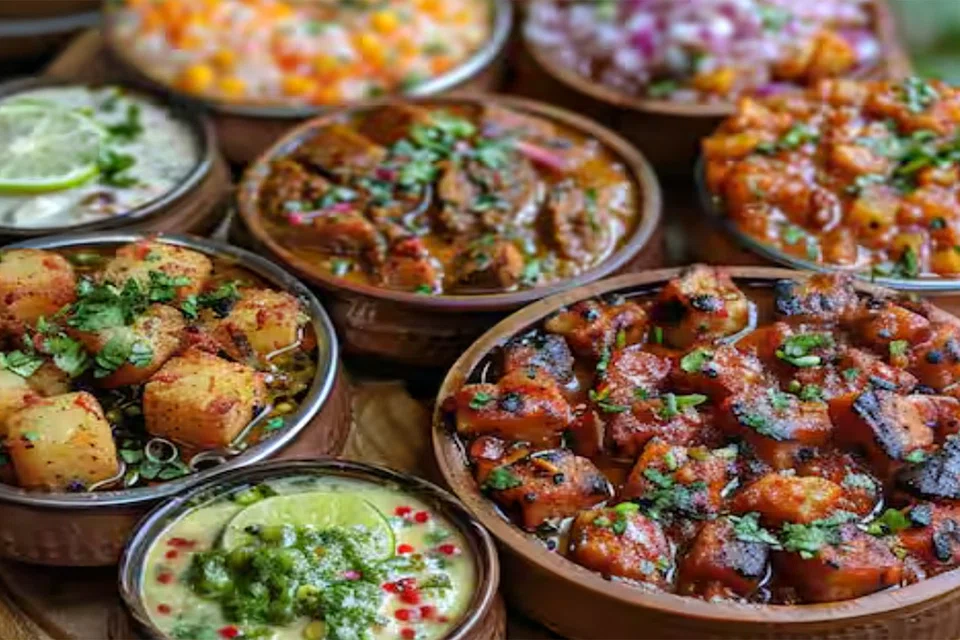
The Nawabi kitchens innovated culinary practices by blending Persian flavours with local Indian ingredients, giving rise to dishes like the melt-in-the-mouth Galouti Kebab, Awadhi Biryani, and dum pukht cooking – a technique of slow-cooking in sealed pots that allows flavours to deepen naturally.
Legend has it that galouti kebabs were created for an ageing nawab who had lost his teeth. The meat was finely minced and blended with papaya and saffron until it required no chewing.
Dum pukht, too, originated during a famine relief effort, later embraced by royalty for its rich, complex flavours.
Modern culinary icons like the late Chef Imtiaz Qureshi brought these techniques to fine dining, placing restaurants like Dum Pukht and Bukhara on Asia’s 50 Best list, cementing Lucknow’s global reputation for gastronomic excellence.
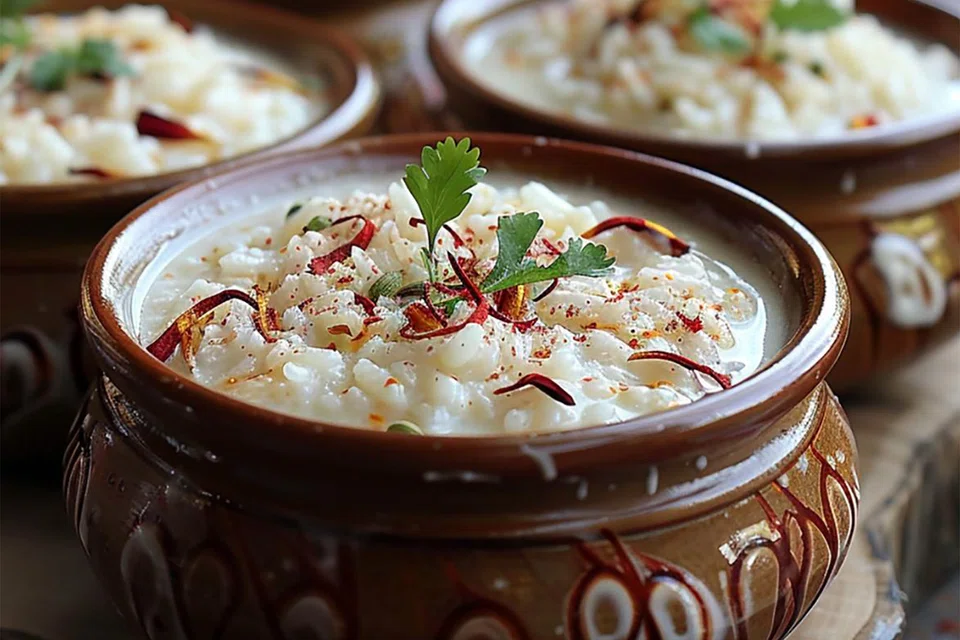
Beyond royal fare, Lucknow’s vibrant street food – from spicy chaats and kachoris to creamy makkhan malai – plays an equally vital role in its food story, reported BBC.
Vegetarian traditions, shaped by the Baniya community, have given rise to sophisticated sweet-making and snack culture.
Local institutions like Sharmaji Tea Stall, serving chai and buttered buns since 1949, and Netram, dishing out hot jalebis and kachoris since 1880, continue to thrive, driven by fiercely loyal patrons and generations-old recipes.
UNESCO’s recognition honours not only the flavours of Lucknow but the ecosystem that sustains them – from family-run eateries to artisanal vendors. The designation is expected to spur international culinary collaborations, tourism, and food-based entrepreneurship, while helping safeguard traditional techniques.
“This global honour strengthens Lucknow’s identity as India’s culinary capital,” said UP Tourism Secretary Amrit Abhijat, noting the city drew over seven million tourists in the first half of 2025 alone. He added, “Every plate tells a story – of royal kitchens, street vendors, and cultural unity.”
As Chef Ranveer Brar put it: “Better late than never. It should have come before.” Now, the world is finally listening to Lucknow – through its food.