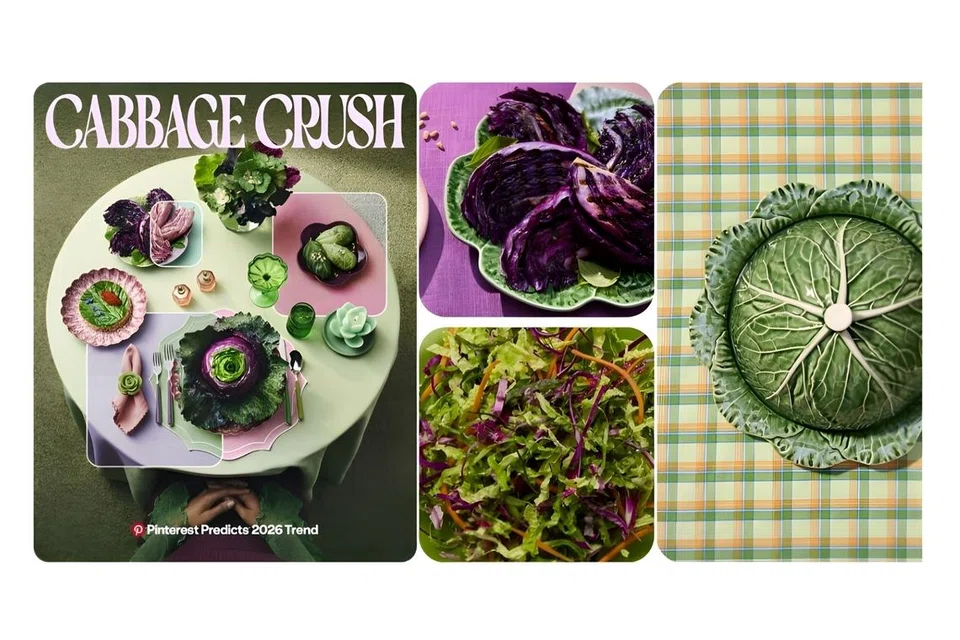

Always a side dish, never the entree. That has been the long-suffering tale of the cabbage until 2026 rolled around.
It must have secured a new PR team as Vogue magazine crowned it vegetable of the year, and Pinterest has been inundated with the hashtag #CabbageCrunch. Trend-savvy influencers have taken it a step further by sharing aesthetic shots of themselves posing amid rows of cabbage patches.
The unexpected renaissance of the humble cabbage is driven by economic shifts and demand for healthier, budget-friendly options. Instead of fixating on rare and expensive ingredients, today’s consumers are more keen to experiment with and extract maximum flavour from the ordinary.
This mindset also extends to the culinary world, where chefs have curated new dishes with the cabbage as the centrepiece. Think charred cabbage steaks, crisp taco wraps and umami-laden kimchi cocktails.
Low in calories and rich in fibre, the vegetable of the year also boasts a slew of nutritional benefits. It supports gut health by benefitting the gut bacteria and is rich in antioxidants that help to reduce inflammation, as reported in Vogue and Elle Gourmet India.
Other advantages include improving heart health, regulating blood sugar levels, and potentially reducing the risk of cancer due to sulphur compounds called glucosinolates, which are present in cruciferous vegetables.
Ready to cook with cabbage? Television host, author, model and activist Padma Lakshmi’s cabbage poriyal recipe is a great beginner-friendly stir-fried cabbage dish that could easily become a weekly staple.
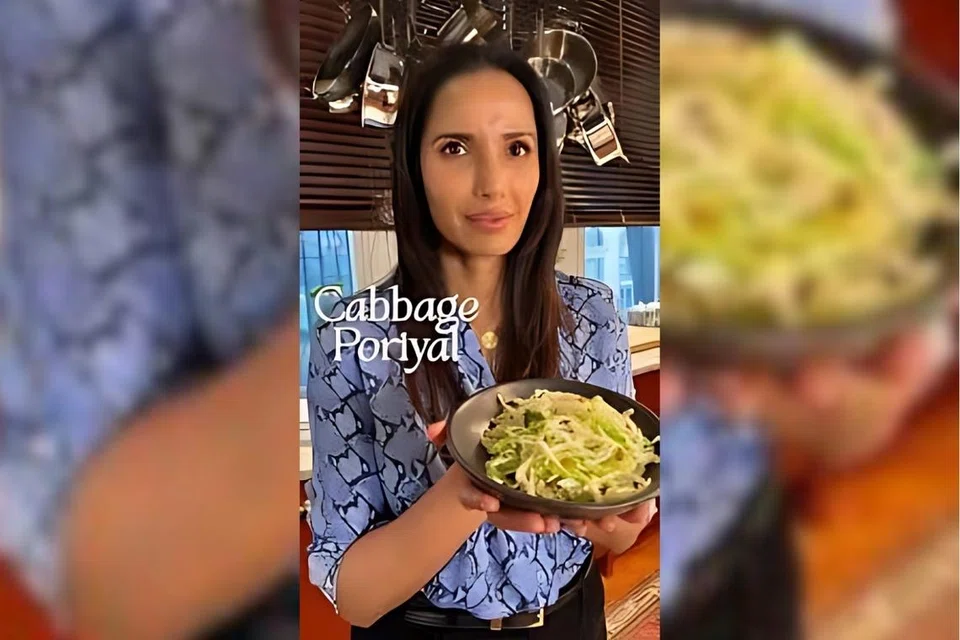
Ingredients:
• 1 tsp black mustard seeds • 1 tsp chana dal (split chickpea lentils) • 1 tsp urad dal (white gram lentils) • 1 tsp minced or grated ginger • 1 tsp minced or chopped green chillies • 1 stem of curry leaves • 1 tsp salt • 1 head of cabbage, shredded • ¾ cup freshly shredded coconut
First, heat about one to two tablespoons of oil in a wok or sauté pan. Coconut oil would be ideal, but any neutral-flavoured vegetable oil will also work well. Add in the black mustard seeds, and wait for it to make a “pop” sound.
This ensures that the mustard seeds’ pungent, nutty flavour infuses with the oil. Then throw in the chana dal and urad dal, sauteing them for about a minute until the lentils are slightly toasted. This is followed by the curry leaves, ginger and green chillies.
Once the aroma of curry leaves and ginger frying in oil fills the room, toss in the entire shredded cabbage, along with a teaspoon of salt. The salt helps the cabbage to wilt faster as it draws out the moisture and seasons the dish simultaneously.
The last step is to add the freshly shredded coconut. Toss the ingredients together to ensure they are properly combined, and your cabbage poriyal is ready. Serve it over white rice, or pair it with chapathi for a healthier option.
Before you embark on a cabbage rampage, do note that those with a sensitive digestive system might experience symptoms of bloating or gas due to its fibrous nature. Always consult a certified nutritionist before making any significant dietary changes.