
From 1989 to 1991, the world was introduced to its very own digital utopia, the World Wide Web. As the years passed by, artificial intelligence dethroned it as a technology that could “create” on its own, “create” your fantasies. But what if, by 2045, AI turns the internet into something deeper, more addictive, where you don’t just “create”; you can step into the created world. Depravity without harm… until someone gets hurt.
That is what HuM Theatre is exploring in its adaptation of Jennifer Haley’s The Nether, an award-winning science-fiction (sci-fi) whodunnit. The plot follows a detective looking into what happens when certain deviance in the virtual haven, the Nether, seeps into the real world.
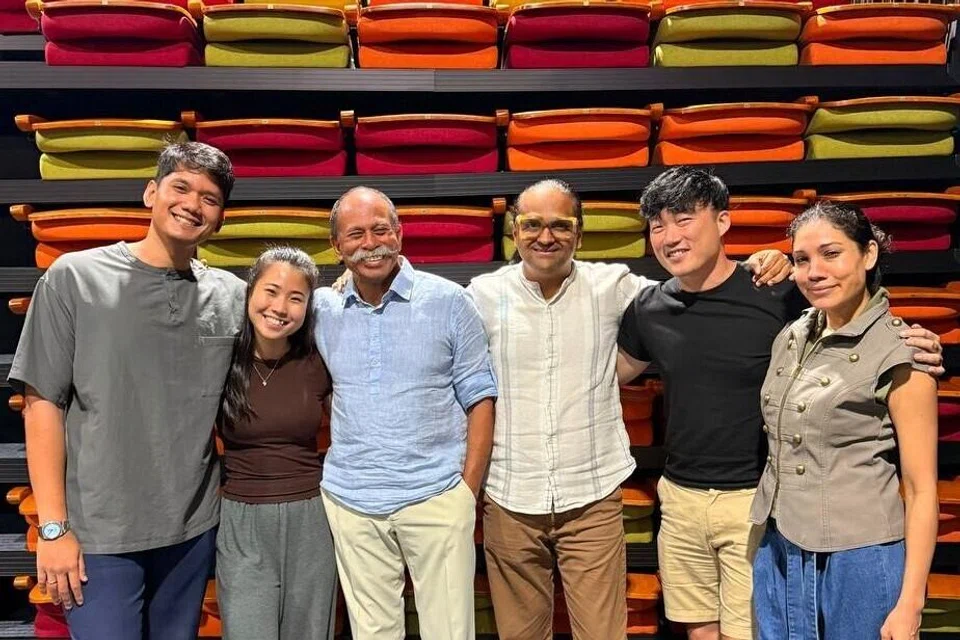
Director Yogesh Tadwalkar works in tech ergonomics and human-computer interaction, even working on the user experience of technologies like Meta’s Oculus device, which have influenced his direction of the play. “We have tried to portray a more realistic interpretation to what tech will look like in the future,” says Mr Yogesh, 50.
The play also features a multi-racial cast, as opposed to the company’s usual Indian-centric direction, as the issues discussed affect all members of society regardless of race.
Ms Sharda Harrison, The Straits Times Life! Theatre Awardee for Best Actress in 2024, plays the detective. “I’ve never played a character at the intersection of laws which have not been created yet,” said Ms Harrison, 29, specifically talking about the current state of AI regulations.
The play attempts to use theatre as a social tool, as its plot discusses themes of child abuse and online ethics, timely in an era of issues such as Meta’s new parental supervision tools and generative AI being used for explicit imagery.
The company wanted to make audiences aware of how, even in Singapore, child abuse is still prominent, based on numbers from the Ministry of Social and Family Development, which showed that there were over 2,000 cases of high-risk child abuse in 2024.
To aid with this, the staging is in collaboration with social welfare and abuse awareness organisation PAVE, which will hold post-show audience engagement sessions with counsellors from their team.
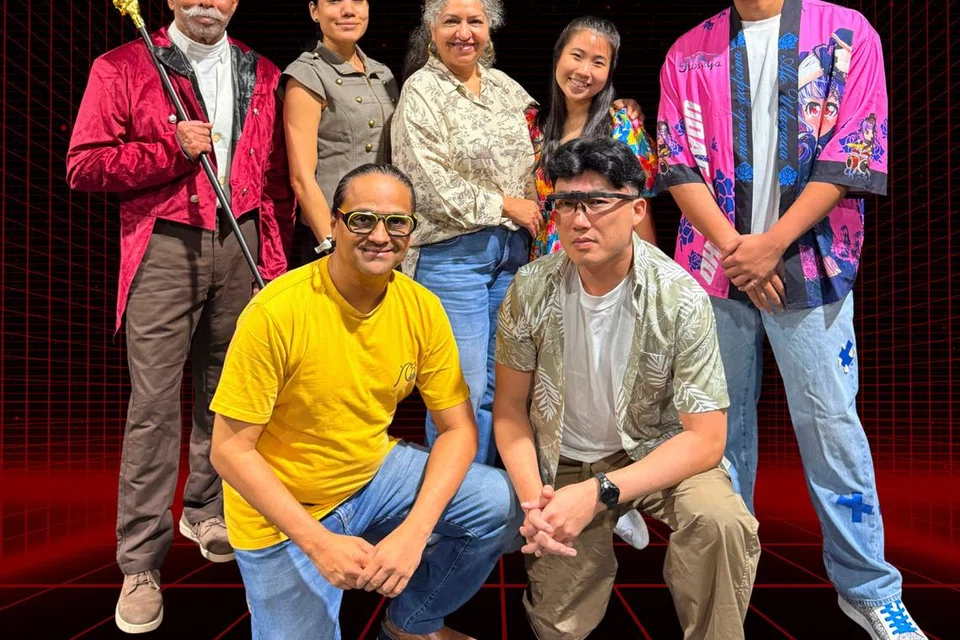
Mr Subin Subaiah, the dramaturg or script adapter and co-founder of HuM Theatre, also plays the villain of the show; a big tech personality who has created a virtual reality space in The Nether where the central crime of the play takes place, called The Hideaway, a dark-web-esque platform for extreme perverts.
Even before this casting, Mr Subin has followed the evolution of how technology blurs the lines. “Big tech billionaires have become so powerful that they can seek gratification through any form they choose without being touched,” he said, “As long as they amass wealth and control technology.”
Though the play is a departure from HuM Theatre’s usual genre, comedy, The Nether’s executive producer and the company’s co-founder, Mrs Daisy Irani Subaiah, is no stranger to the thriller world, being a past producer of Incredible Tales, as well as starring in the sci-fi local film We Can Save The World.
Mrs Daisy, 67, said that even though heavy topics are at the heart of the play, as someone in the theatre and acting space, her job, first and foremost, is to entertain. “Let me lure you in, like The Nether lures in, and then I can inform you,” she said.
The Nether will be playing from July 8 to July 12 at the Esplanade Theatre Studio, with 7.30pm showtimes on each day, and matinee shows on July 11 and July 12 at 3pm. You can buy tickets at bookmyshow.com.sg.