
Founded officially in August 2022 by partners Naveen Murugan, 34, and Beatrice Nannini, 42, Raja Rani blends cultural heritage with a carefree, musical lifestyle.
Despite growing up in a family of tailors with a garment factory located directly beneath his childhood home in India, Naveen was initially indifferent to the trade, choosing instead to pursue music.
His path intersected with Beatrice, a fashion marketing professional who relocated from Italy to Singapore in 2016.
The duo bonded over weekly music classes, a friendship that eventually blossomed into a romantic and business partnership.
Raja Rani: Upcycling with a Musical Identity
The concept for Raja Rani emerged from their personal lifestyle. While attending music festivals, they desired fluid, comfortable clothing that allowed them to dance freely.
Noticing a distinct lack of South Asian influence in online festival wear, Beatrice suggested leveraging Naveen’s family tailoring background to create fusion attire, such as blending traditional Indian aesthetics into Japanese-style kimonos.
They initially tested their creations surreptitiously at private house parties in 2021, hiding the brand’s origins to gauge genuine reactions. Encouraged by the enthusiastic feedback from their friends, they officially registered the business the following year.
Raja Rani focuses on creating inclusive, size-free, and genderless garments designed to evoke positivity and comfort.
They regularly showcase their collections at local pop-ups, consignment spaces, and major regional events like Boutiques at the F1 Pit Building and Thailand’s Wonderfruit festival.
Music remains central to their brand identity; they often operate booths where they also perform DJ sets.
As Naveen shares, “Wherever we go to play music, we always try to find a way to also share the story of what’s happening within the brand.”
Beyond ready-to-wear fashion, Raja Rani offers a bespoke upcycling service where clients can transform sentimental but unworn family sarees into wearable modern garments.
This circular approach gives precious family heirlooms a second life outside the closet, appealing strongly to a younger, climate-conscious generation that prioritises eco-friendly choices over mainstream corporate branding.
Scrapplique Galore: Combating Textile Waste Through Art
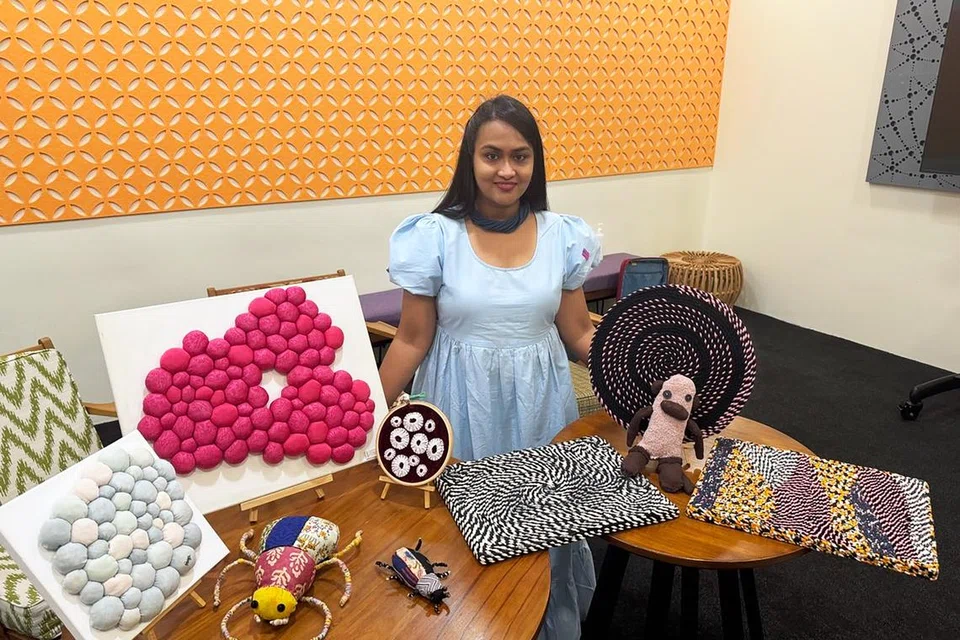
Established during the pandemic by Roopa Srisha, Scrapplique Galore is a sustainable startup dedicated to transforming fabric remnants into functional accessories and long-lasting home decor.
The business was born out of personal observation. While organising her young daughter’s wardrobe during the lockdown, Roopa realised how rapidly children outgrow their clothes.
Due to pandemic travel restrictions, she was unable to donate them through her usual channels.
Subsequent research into local textile donations revealed a sobering reality: charity organisations were heavily overwhelmed, and a significant portion of donated garments ultimately ended up discarded.
Determined to find an alternative, Roopa utilised her sewing skills to experiment with domestic textile waste.
She began by extracting yarn from her daughter’s old t-shirts to braid coasters, eventually expanding her inventory to include everyday items like scrunchies, pouches, and tote bags.
Roopa initially launched her business via Facebook to share her creations with loved ones.
While she received considerable encouragement, the venture also highlighted widespread consumer misconceptions regarding textile hygiene and the necessity of upcycling.
Recognising that consumer education is just as vital as the craft itself, Roopa began utilising her social media platforms to advocate for sustainable fashion.
She emphasises the heavy environmental toll of synthetic, petroleum-based textiles such as polyester and nylon, which release greenhouse gases and microplastics into ecosystems when left to decay in landfills.
As Roopa points out: “When talking about basic evaluation of fabric, we need to ask where is it coming from, who is making it, are these clothes sustainably and ethically made and sourced are things we need to think about.”
To further extend the lifecycle of waste textiles, Roopa has shifted her creative focus toward producing intricate textile art pieces.
Unlike small fashion accessories that wear out over time, these artworks possess a shelf life capable of spanning generations.
Through Scrapplique Galore, Roopa encourages consumers to inspect material compositions, question cheap retail prices that exploit overseas garment workers, and adopt mindful purchasing habits.