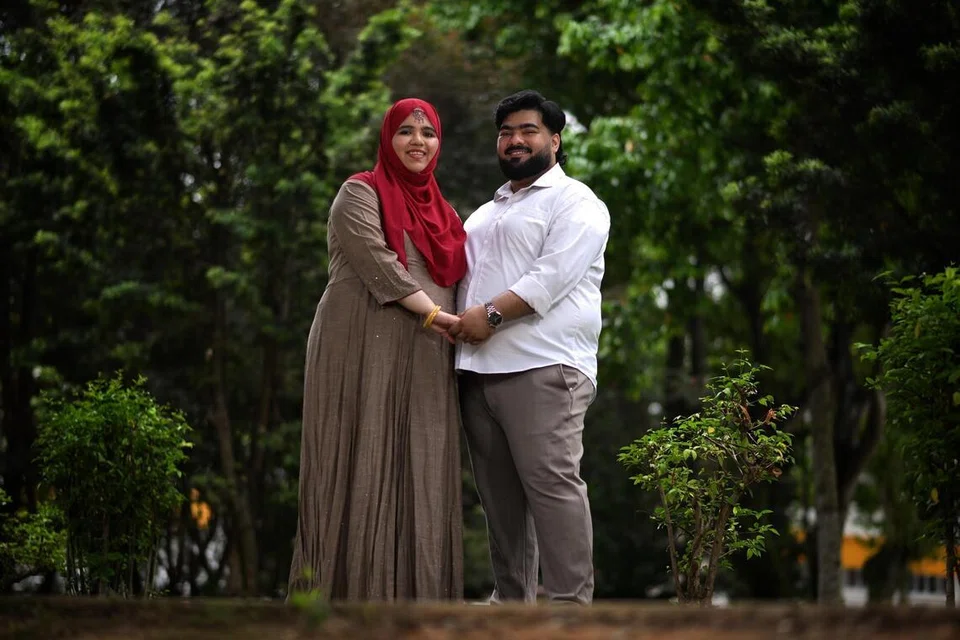
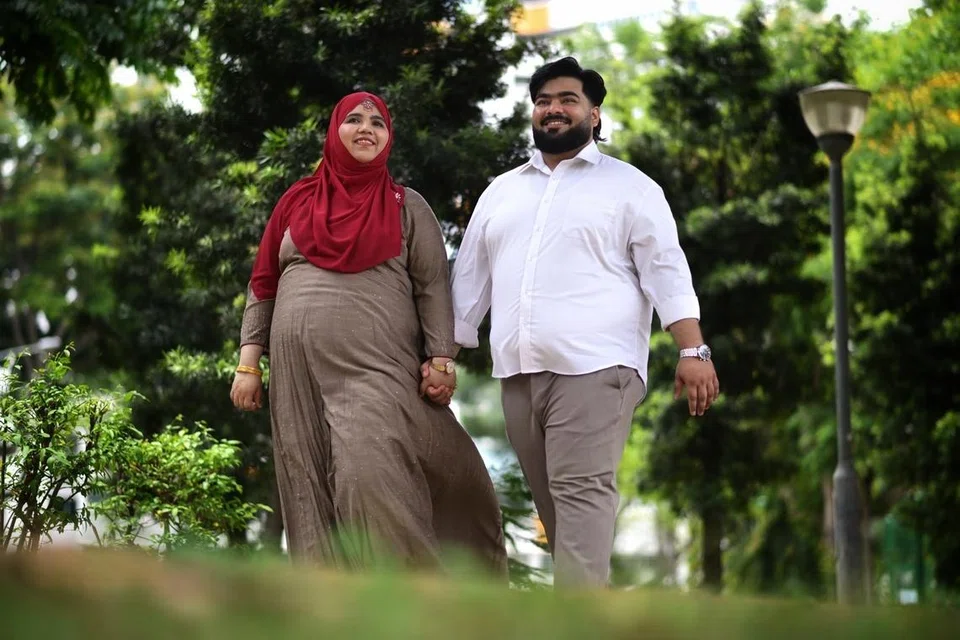
After a single meeting arranged by their families, Ms Zakkiethunnisa Ziawdeen made a decision that would shape the rest of her life – she agreed to marry a man she had just met.
Within two weeks, the 26-year-old public relations senior associate was engaged to Mr Basheer Ahamed Mohamed Azharudeen, a 31-year-old aircraft technician. In the months before their wedding in August 2025, the couple met only a handful of times.
“The thing that tipped the scale for me was that he didn’t say no to the things I said I needed to keep in my life after we married,” Ms Zakkiethunnisa said. “I told him I wanted to go out with my friends and to continue working. So I feel he’s somebody I can work out any differences with.”
Having grown up in Singapore, she had always expected to find a partner on her own, but that did not materialise.
As the elder of two daughters, she had previously declined her parents’ attempts to match her. Her younger sister is still studying.
In 2024, however, she felt more settled after completing a degree in communications and sociology and spending two years working, and became open to being matchmade.
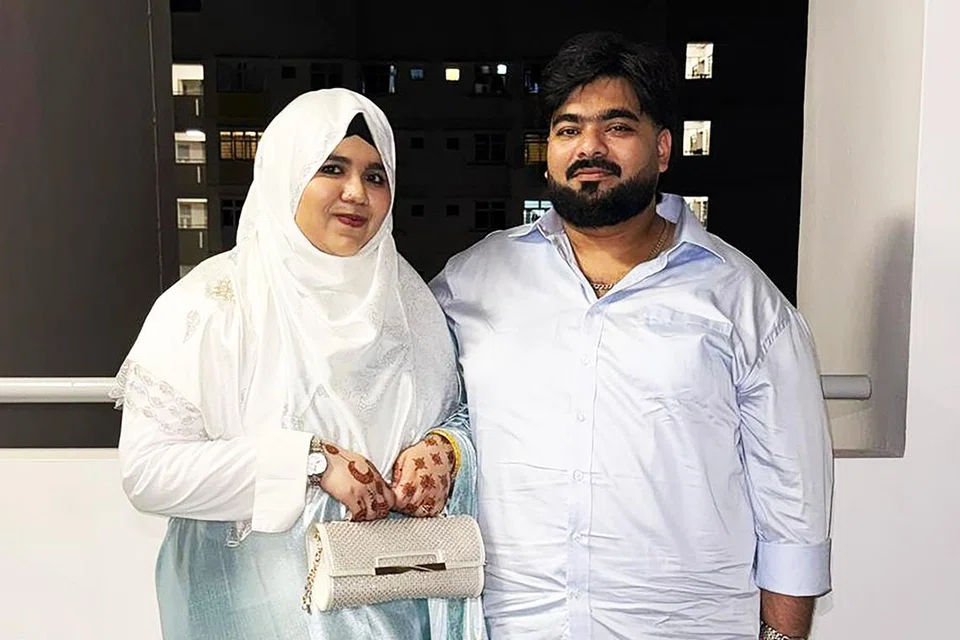
Meanwhile, Mr Azharudeen, who studied aeronautical engineering in Tamil Nadu, India, moved to Singapore in 2018 for work. Arranged marriages are common in his family and hometown – his elder brother and younger sister were both matched with their spouses. He said he trusted his parents’ judgment, as they understand him well and would be able to assess whether a potential partner would be a good fit.
The couple also said they did not face any pressure from their families or community to pursue an arranged marriage. Instead, it was a path they were both open to. Mr Azharudeen added that he did not believe in setting a specific age for marriage, while Ms Zakkiethunnisa shared that she had hoped to settle down by 27 or 28.
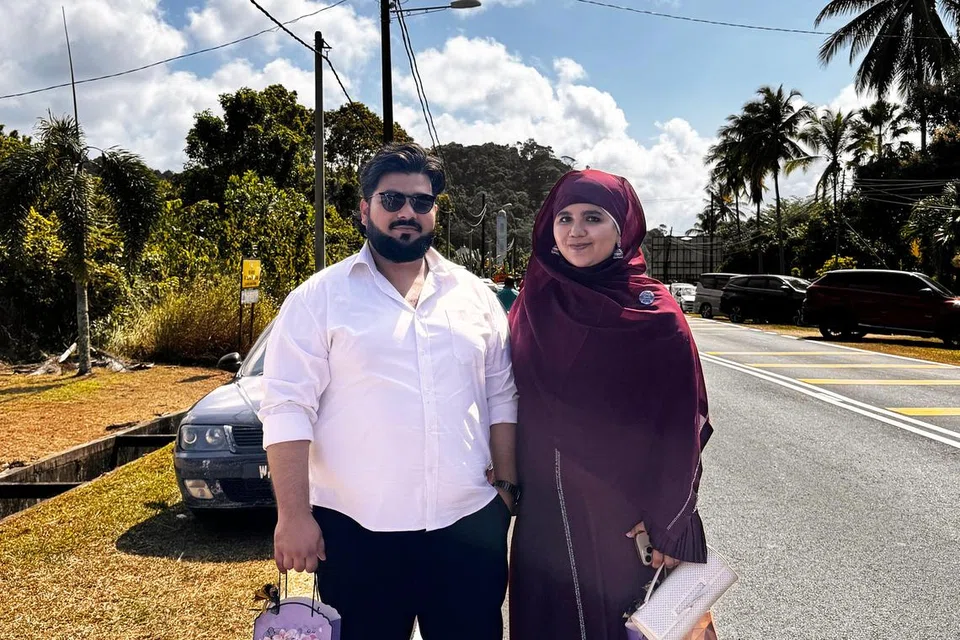
Within Singapore’s Indian Muslim community, arranged marriages still occur, although they are less common than in previous generations and are more often seen among newer immigrants from India.
Their first meeting, held at an Indian restaurant, was a family gathering. Mr Azharudeen came with his uncle’s family, while Ms Zakkiethunnisa was accompanied by her parents and aunt, with his parents joining via video call from India.
After introductions, the pair were given some time alone to talk. They discussed their expectations for marriage and what they were looking for in a partner, and found common ground in wanting a practising Muslim who is family-oriented and shares similar values and priorities. Neither had dated nor been matchmade before.
Following their engagement, they met a handful of times on their own before marrying in August 2025, about nine months after their first meeting.
Since then, their bond has grown stronger as they got to know each other better. Ms Zakkiethunnisa described the experience as a pleasant surprise, saying she feels assured that her husband cares for her well-being. Over time, she also discovered that he is more open-minded than she initially thought, along with a playful side.
Mr Azharudeen said married life has been positive, and that he appreciates his wife’s calm nature and the way she cares for him. He added that they have strong confidence in each other.
Their friends had varied reactions to the arranged marriage. Mr Azharudeen noted that friends from other communities were more surprised by the idea, while his Indian friends were more familiar with the practice. Ms Zakkiethunnisa said her friends were supportive and happy for her, although some were surprised as it was not something they would choose for themselves. Their opinions, however, did not influence her decision.
The couple hope to have two children in the future.
“I don’t think arranged marriage is for everyone,” Ms Zakkiethunnisa said. But young people shouldn’t be so quick to rule it out – you never know what you might find. Feelings can be temporary, but I think what makes it (marriage) work is that our priorities, values and expectations are aligned. I have a stronger conviction now that I made the right choice.”
The Straits Times (Additional reporting by Reema Dudekula)