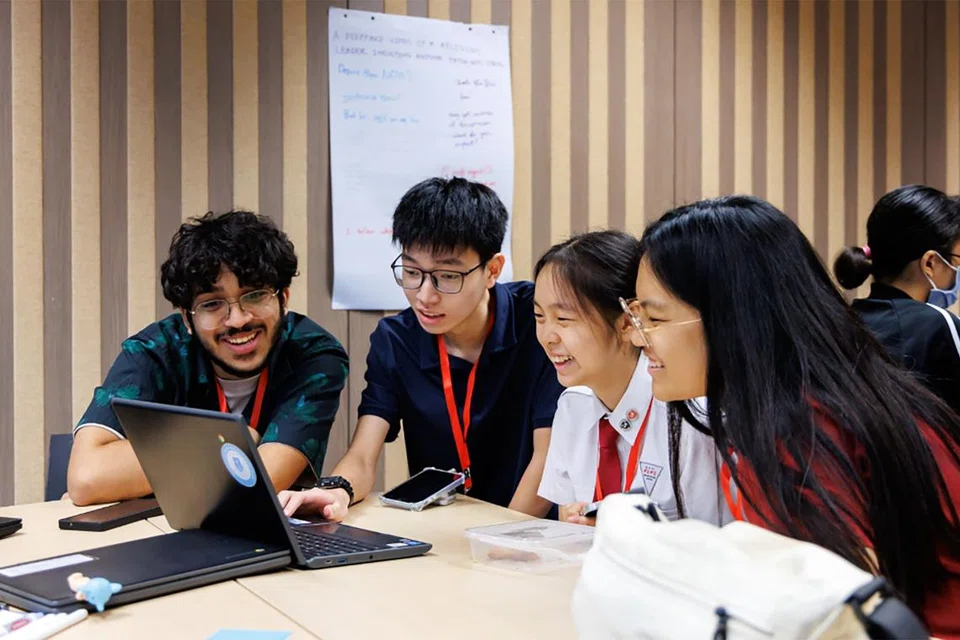
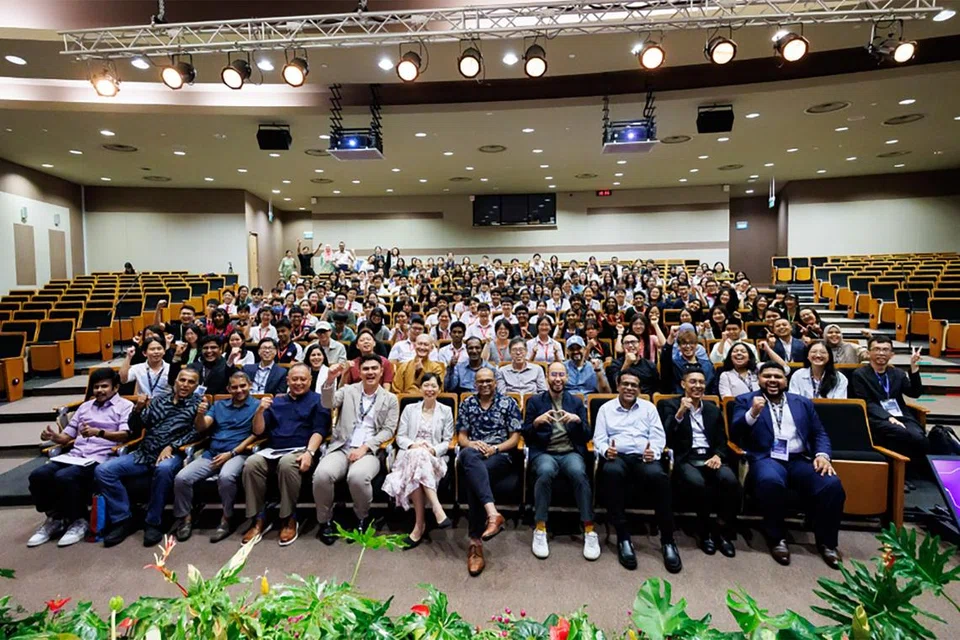
In an era where the digital landscape is fraught with misinformation and polarisation, young Singaporeans are stepping up to build social cohesion. This year’s HarmonyWorks! Conference on July 18 brought together over 200 students from secondary schools and universities with a shared goal: tackling online threats and bridging community divides.
For organising committee member Mr Durai Manickam Nizanth, 21, the core mission of the annual event is to build bridges between communities. “In this event, we unite youths and initiate conversations about religion and race to create awareness among them,” he explained.
Recognising the shifting nature of societal conflicts, organisers pivoted this year to focus on modern challenges, such as AI-driven misinformation and ethical content creation. “We created an opportunity to talk about what happens in our online world and the threats present there in a way that youths understand,” Mr Nizanth noted, emphasising the urgency of their mission. “If our youth don’t tackle these societal problems today, who will?”
Among the participants was 14-year-old Greendale Secondary School student K. Shiva Dhurga, who found that the event went far beyond basic digital literacy. By learning to understand different perspectives, she gained practical skills on how to “deal with comments in a respectful way”.
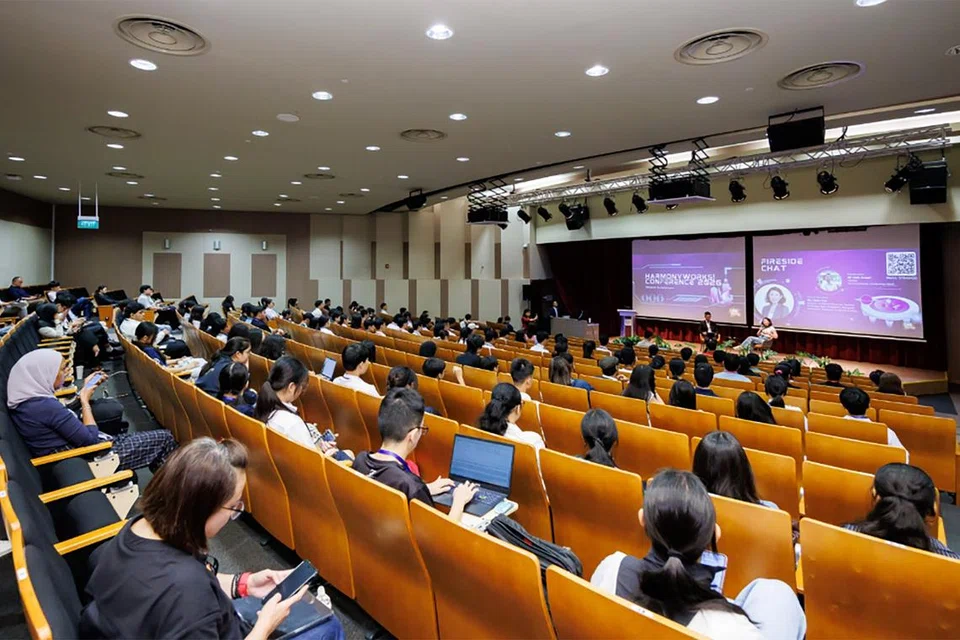
The experience of engaging with peers from diverse backgrounds also left a deep emotional mark. “When listening to people from other races speak, it felt like a renewal for me,” she shared. “Learning about their culture and values gave me happiness.”
Senior Minister of State for Sustainability and the Environment, Dr Janil Puthucheary – who also serves as Chairman of OnePeople.sg – stressed the necessity of youth leadership in these areas. “We want our young people to get involved in these issues, get involved in making the world a better place,” he stated.
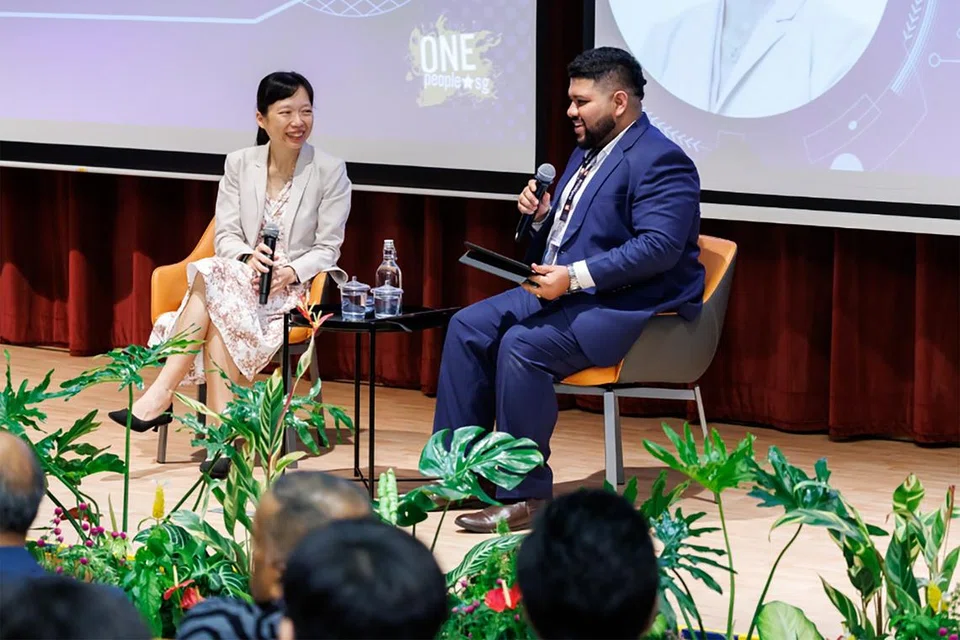
Highlighting the need for emotional intelligence, he advised youths that core skill sets remain the same whether interactions are online or in person. “First, listen respectfully, understand and think critically. Then engage in the matter deeply, not just on a reflex.”
Ultimately, Dr Puthucheary believes that lasting progress requires listening to the next generation. “It is very important to have these open conversations, partly because we need to understand what young people are going through,” he explained. Emphasising that the way forward must be youth-led, he added: “The solutions, and the way we address these issues, need to come from them as well. They must take it forward actively, rather than remaining passive.”
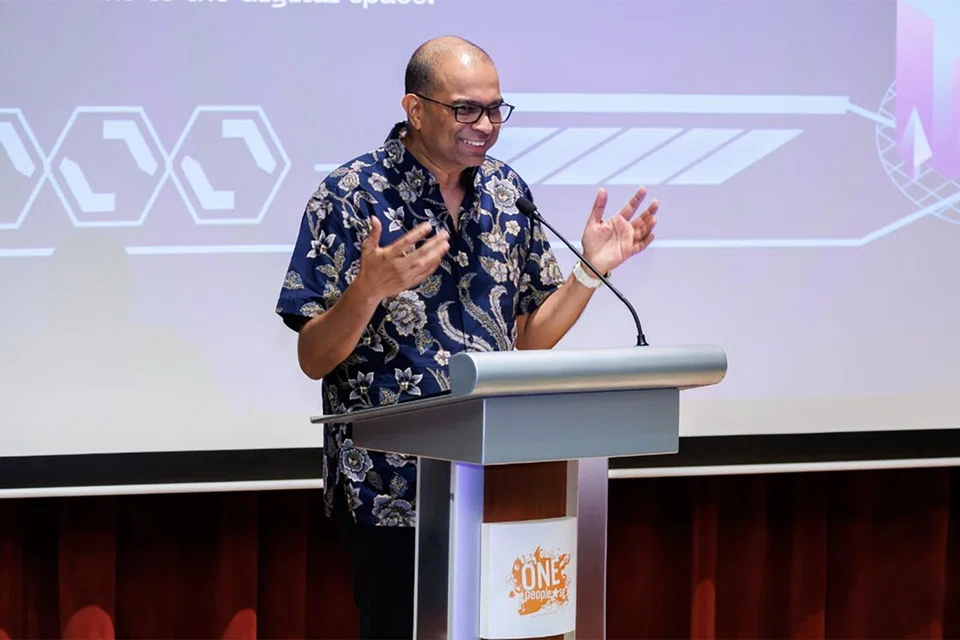
The conference concluded with a special appearance by Guest of Honour Ms Jasmin Lau, Minister of State for the Ministry of Digital Development and Information and the Ministry of Education. After visiting youth-led advocacy booths, she engaged the participants in a closed-door dialogue session. Held under the Chatham House rule to enable a safe space for frank discussions, the session allowed youths to speak candidly about their experiences navigating Singapore’s digital space.