
India remains a critical growth engine for Temasek as the Singapore investment company navigates a volatile global market reshaped by geopolitical tensions.
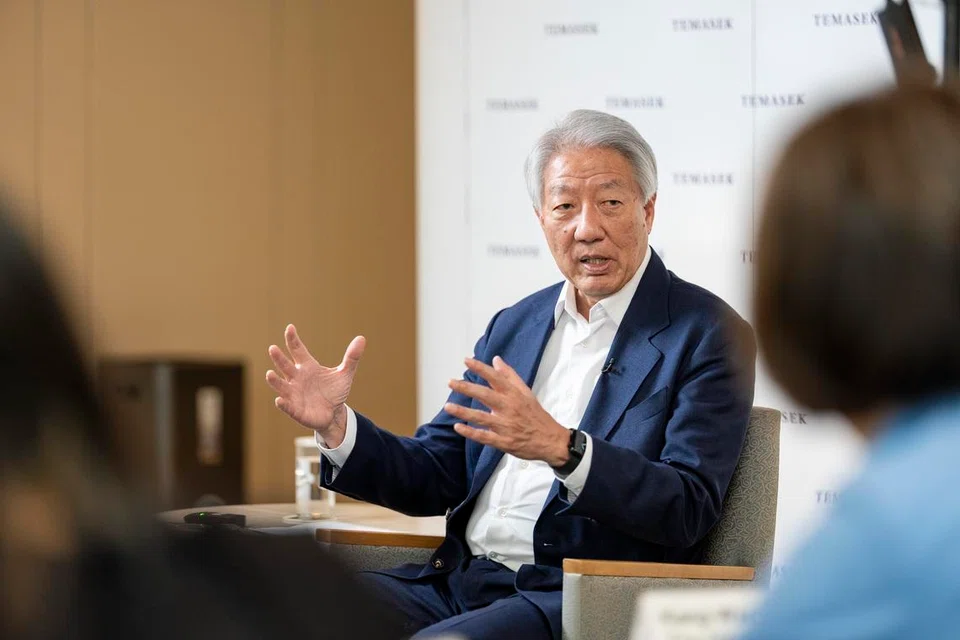
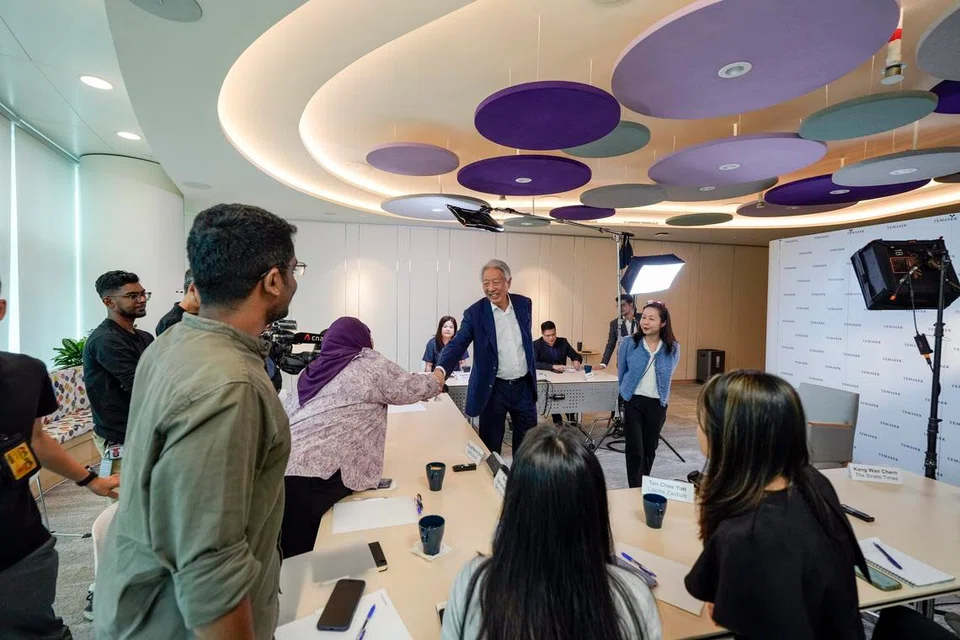
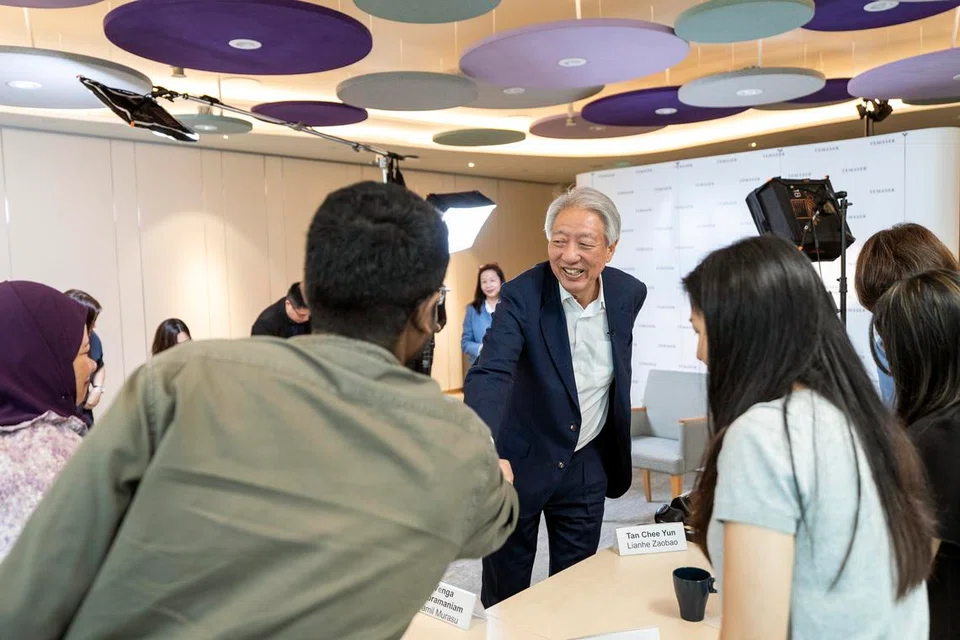
Speaking at a media briefing on June 2, his first since taking over as Temasek chairman in October 2025, former Senior Minister Teo Chee Hean highlighted India’s soaring domestic demand as a key pillar for the firm’s long-term investment strategy.
“India is an important market to us,” Mr Teo said. During a visit late last year, he met with top Indian leaders to discuss deepening economic ties. “We have some excellent investments in India,” particularly in healthcare, logistics, and transportation, he noted.
Underscoring this commitment, Mr Teo revealed that Temasek has invested in an Indian healthcare company catering to the rapidly growing local demand for quality medical care, which is slated to launch an Initial Public Offering (IPO) soon.
Furthermore, Temasek Portfolio Companies (TPCs) are driving “fairly major” investments across India’s infrastructure backbone. These include major stakes in Mumbai’s port, aviation, telecommunications, and a concerted push into renewable energy.
This robust investment pipeline aligns with Singapore’s broader economic footprint in the subcontinent. According to India’s Ministry of External Affairs, Singapore was India’s largest source of foreign direct investment (FDI) in FY2024-25, pouring in USD 14.94 billion. Cumulatively, Singapore accounts for 24 per cent of India’s total FDI inflows since 2000, amounting to USD 174.88 billion.
When national security shapes finance
Bringing his extensive background in national security and defence to the table, Mr Teo noted that modern investing is no longer just a “straightforward business of doing numbers on a spreadsheet.”
Today, hot wars and regional conflicts—particularly in the Gulf and Middle East—directly impact inflation, fuel prices, supply chains, and market stability.
Recalling his recent return to the World Economic Forum in Davos after a multi-year hiatus, Mr Teo observed a stark shift.
“Davos used to discuss economic, financial, and business issues. This year, we were discussing security issues, not economic issues,” he remarked. “The intersection between security, geopolitics, business, and finance has become more stark.”
Despite structural disruptions in the Middle East, Mr Teo emphasised that Temasek remains committed to the region due to its vast resources and long-term prospects. In fact, he revealed that Temasek is actively looking to expand its global footprint of 13 offices.
“We don’t have an office right now in the Middle East, and we are actively looking at that and finding the right time to do so,” he said.
Closer to home, Mr Teo offered a silver lining from his observations at the recent Shangri-La Dialogue in Singapore, pointing to a noticeably improved tone between the US and China.
Rather than talking past each other, both superpowers converged on language targeting a “constructive, strategic, stable relationship”—a positive signal for global markets.
Navigating the AI frontier and net-zero
Rather than chasing market fads, Mr Teo emphasised that Temasek looks through short-term market perturbations to seek “long-term sustainable absolute returns.”
This philosophy grounds Temasek’s approach to generational trends like Artificial Intelligence (AI) and climate change.
Unlike the speculative hype surrounding blockchain a few years ago, Mr Teo views AI as a genuine, industry-sweeping game-changer. Temasek is looking beyond the prominent names creating Large Language Models (LLMs) to invest across the entire “AI stack,” including hardware, power infrastructure, and companies utilising AI for advanced physics modelling and rapid drug discovery.
To ensure TPCs are disruptors rather than the disrupted, Temasek recently sent its portfolio CEOs to Silicon Valley and China to study real-world AI applications. Mr Teo noted that this forward-looking approach allows companies to prepare, train, and retrain their workforces proactively.
On sustainability, Mr Teo described Temasek’s stance on climate change as pragmatic. “We are neither zealots nor sceptics. We’re realists,” he said.
With shifting energy security dynamics outside the Gulf, Temasek’s major renewable investments in India, Europe, and the US are increasingly justified on their own economic merits, as solar and other green technologies become highly grid-competitive.
As of March 31, 2025, Temasek’s net portfolio value stood at S$434 billion. With its recent April restructuring decentralising decision-making closer to key markets, the investment firm is anchoring itself to ride out global volatility while capturing secular growth across India and the wider global economy.