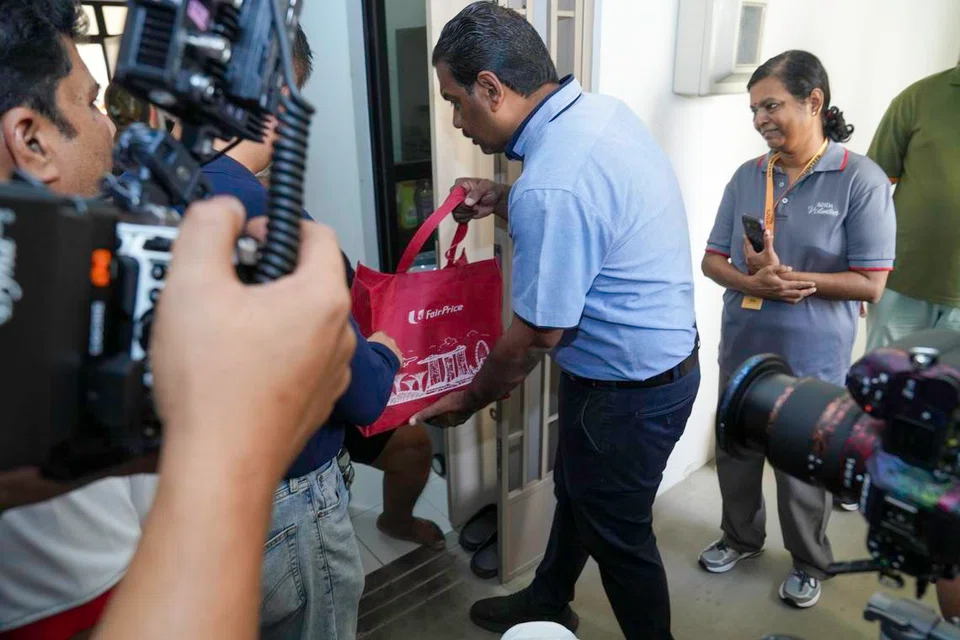
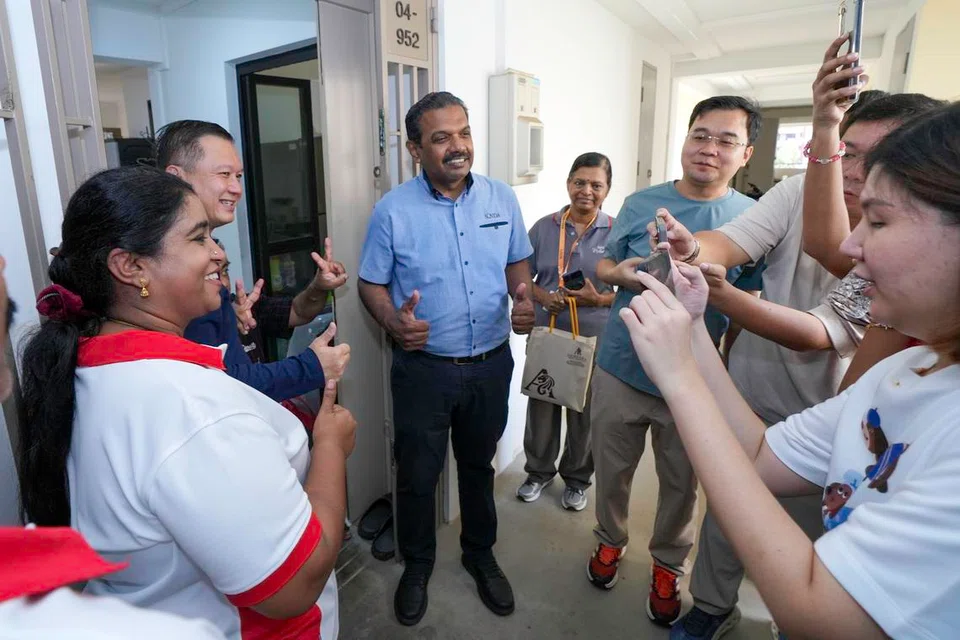

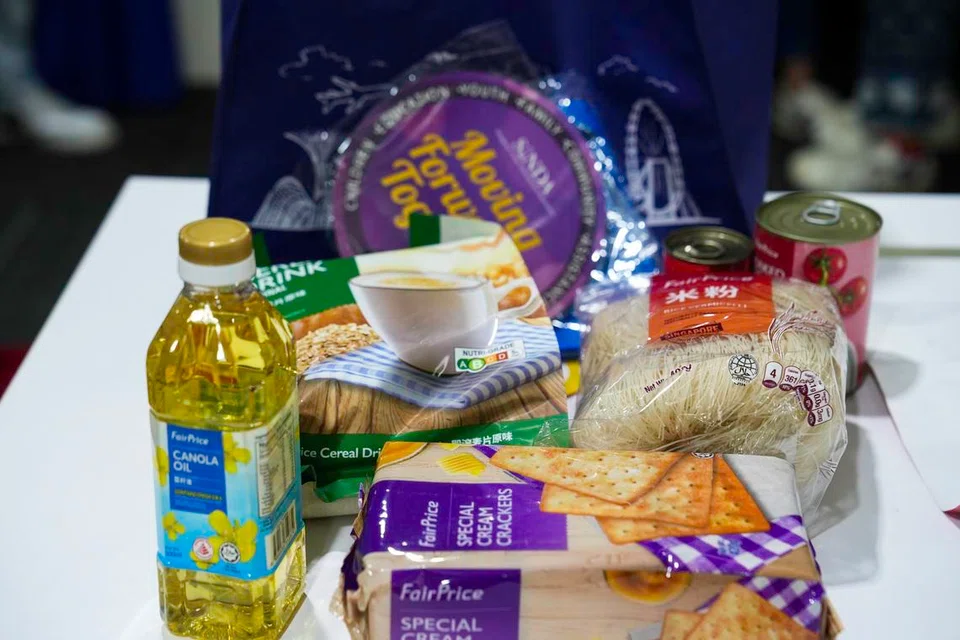
In its largest Door-Knocking Exercise (DKE), the Singapore Indian Development Association (SINDA) delivered goodie bags to 1,000 low-income households across Singapore in a day, marking a major milestone in its decade-long community outreach initiative.
While the organisation had reached about 1,100 households over 10 years, this year alone, 1,000 homes were visited in a single exercise.
This large-scale effort, held on May 24, saw nearly 300 volunteers spread across 15 constituencies distribute grocery items sponsored by the FairPrice Group while engaging residents in conversations about their needs and challenges. Fifteen partner organisations supported the effort.
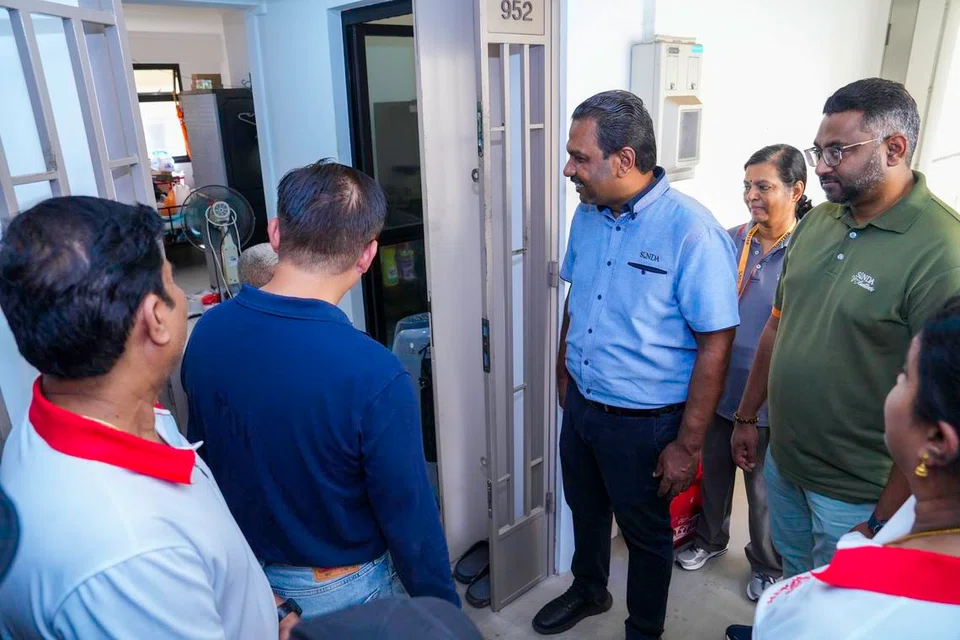
The initiative targeted families living in rental flats and one-room to three-room HDB units falling within a national per capita income (PCI) benchmark of S$1,000, as well as families within SINDA’s PCI criteria of S$1,600.
SINDA CEO Anbarasu Rajendran said the initiative aimed to reach vulnerable families who may not actively seek assistance despite facing difficulties.
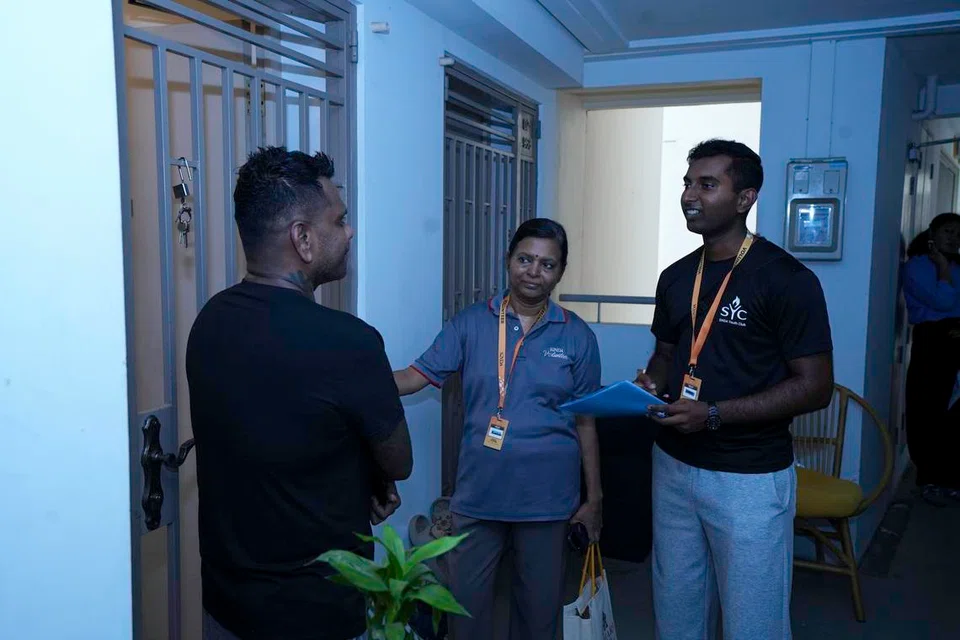
“Some families facing hardship may not ask for help for various reasons. Few may not even know where to seek support. The purpose of going door to door was to identify their needs and ensure help reached them directly,” he said.
Mr Anbarasu said SINDA gathered information from government agencies, social service organisations and grassroots groups before identifying the 1,000 households most in need of support.
“We received a large dataset through these channels and selected the households from there,” he said.
The CEO added that many families were dealing with complex issues that could worsen over time if left unaddressed, which was why SINDA decided to reach all the households in a single day despite the logistical challenges involved.
Beyond delivering food supplies, volunteers also spent time speaking with residents to better understand their circumstances.
SINDA plans to follow up with families after the exercise to provide long-term support where necessary.
Mr Anbarasu also highlighted and appreciated the strong participation of youths in the initiative.
Narpani Pearavai, the grassroots network dedicated to uniting the Indian community and promoting racial harmony, partnered with SINDA for the initiative.
Narpani chairman Ravindran Ganasen said the collaboration was meaningful because it focused on proactively reaching out to families in need.
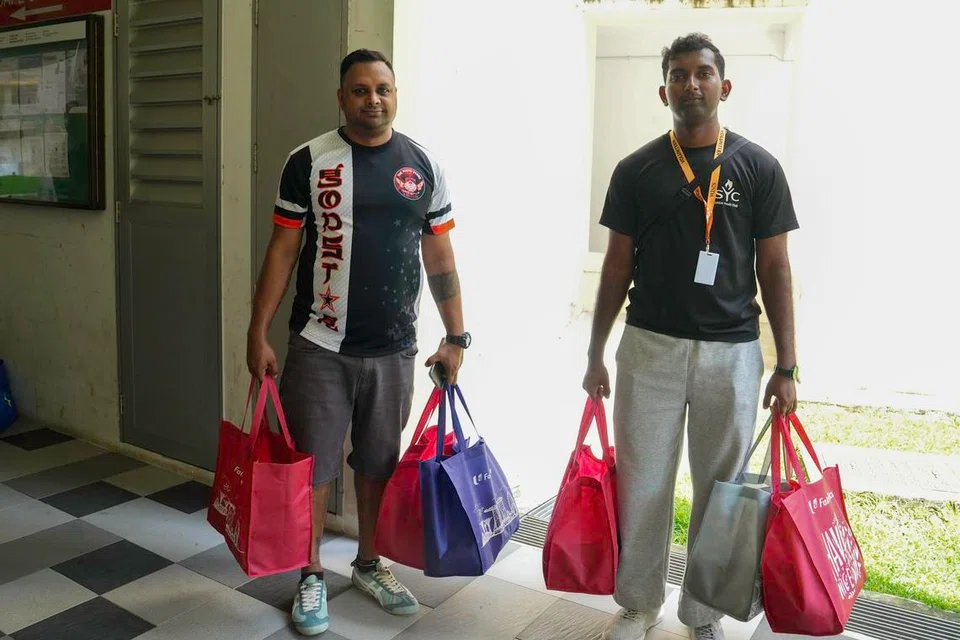
The exercise also involved logistics teams and volunteer groups working behind the scenes. Team Godstar, for instance, mobilised 10 vehicles and 20 volunteers to support transportation efforts.
Mr Lakshman, 42, who managed the team, said transport assistance was just as important as manpower in ensuring the success of such large-scale initiatives. He added that the team participated as a way of giving back to society through logistical and transport support.
Among the volunteers was Ms Anindita Chanda, who has been volunteering with SINDA for the past decade after receiving a scholarship from the organisation. Now working as a medical technologist, she said volunteering with SINDA gave her an opportunity to support others facing struggles similar to those she once experienced.
Volunteering alongside her husband, she hopes to make community service a family practice and inspire her daughter to embrace the same values in future.