
Every morning at 5.30, the sound of Ms Thara Jeyaraman’s jingling keys echoes through the quiet streets in a housing estate in eastern Singapore, summoning close to 20 cats who await her feeding.
They are a diverse bunch – orange, black cats, tabbies, playful kittens – of all sizes and mannerisms.
An unwavering routine for the past 21 years, the 55-year-old places food and water for the stray cats at the vicinity of around 30 HDB blocks.
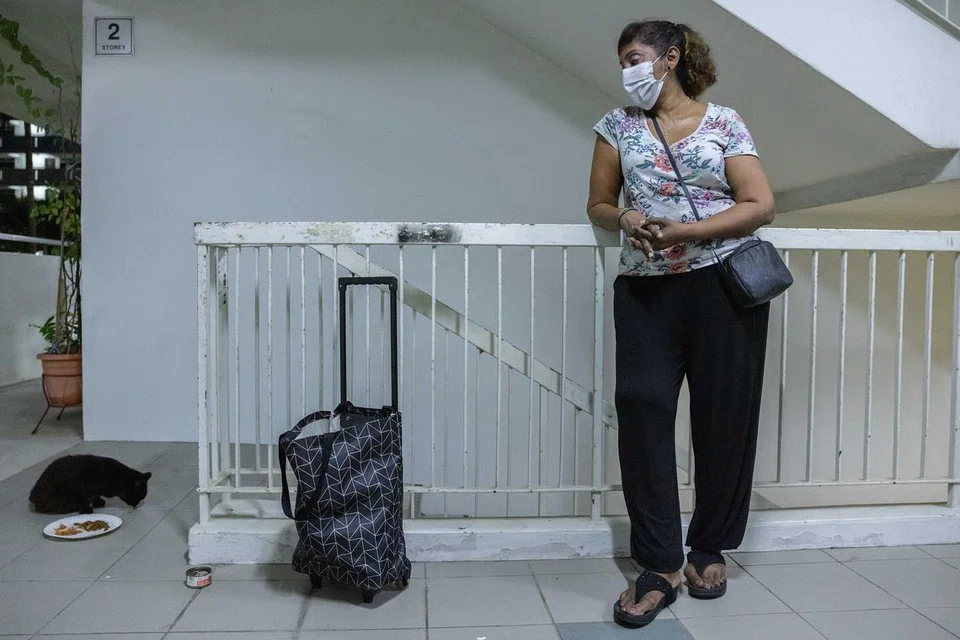
Almost daily, she meets an elderly black female cat at a lift landing, one that has beef with her.
“Many years ago, I took the cat and sent her for sterilisation. Since then, she won’t eat the food I give her unless I step away,” Ms Thara explains. “If I get too close, she will hiss and make a scene.”
But the “bad blood” doesn’t faze Ms Thara; she continues going up to the second floor of the block, where the black cat loiters, and feeds her while watching from a safe distance.
“When I moved into this neighbourhood, I used to see a frail, elderly woman feed these cats,” said Ms Thara. “When she passed on, the cats would continue to gather every morning, hungry and waiting for food.”
Moved by this, Ms Thara, who works in a casino as a jackpot executive, stepped in to carry on this labour of love, spending around $300 a month on cat food – not counting the costs of veterinary visits and sterilisation.
Her five-room flat has been transformed into a sanctuary for some 17 cats, many of which she fosters while finding them permanent homes.
“The commitment never gets easier. You need to show up for the cats every day. Cat feeders often face angry passers-by and encounter abusive or neglectful owners. Despite these challenges, giving up is not an option,” she said, adding that she has already begun to guide younger volunteers in feeding the cats.
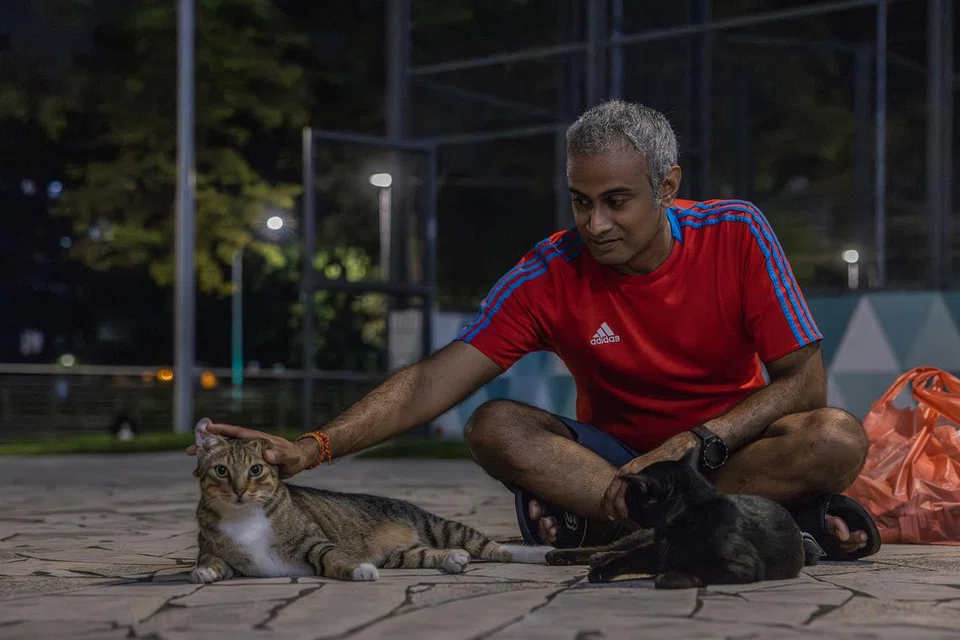
Mr Panneerselvam, who has two cats as pets, said he feeds the community cats because he cannot bear the thought of them going hungry.
He, like Ms Thara, was unwilling to disclose his exact location, in order to protect the cats.
The 46-year-old has been feeding his neighbourhood cats every evening for the past 24 years, and said he often witnesses cat abuse by his fellow residents. Many, he said, hastily adopt cats without meshing their homes, leading to them falling from high floors.
According to the Society for the Prevention of Cruelty to Animals (SPCA), six to eight cats fall from height every week, and around half that number do not survive the fall.
Mr Paneerselvam recalls the guilt he felt when he failed to recognise how one of the cats he cared for around a decade ago was ill – a mistake that cost the cat its life.
“The cat seemed tired all the time, but I didn’t realise the skin around its hip had gotten infected. By the time I noticed and took it to the vet, the skin tissue had started to rot and they could not save the cat,” he said.
Beyond feeding them, he now ensures the cats in his estate get medical care when necessary, even if it comes at a significant cost to him.
He pointed out that feeding stray cats in residential areas is not illegal, but the feeders are required to clean up the area within two hours to avoid littering.
For telemarketer Srerathi Chandrabose, feeding cats is a form of therapy.
Having struggled with depression and diabetes for over a decade, the 42-year-old spends over a fifth of her monthly income on cat food.
“Cat feeding gives me so much purpose in life. It is tough showing up for myself at times, but I know I need to show up for these cats every day. That keeps me going,” she said.
According to market research firm Euromonitor International, Singapore is home to an estimated 50,000 stray cats, a population that significantly outnumbers volunteer caregivers.
Ms Srerathi said that many cat feeders are low-income individuals like herself, or elderly, who struggle to keep up with the demands of volunteering.
“We need more support not just in terms of cash but also time. We need more youth to step in to volunteer as well, maybe take over one day,” she said.
“In my neighbourhood, there’s always some construction or renovation going on, which worries me. Where will the cats go? And when there are new roads and junctions, they are often not used to them and get seriously injured,” she adds.
At the cemeteries, the issue of neglected and hungry cats and dogs is manifold, said Ms Mumtaz Begum Aziz.
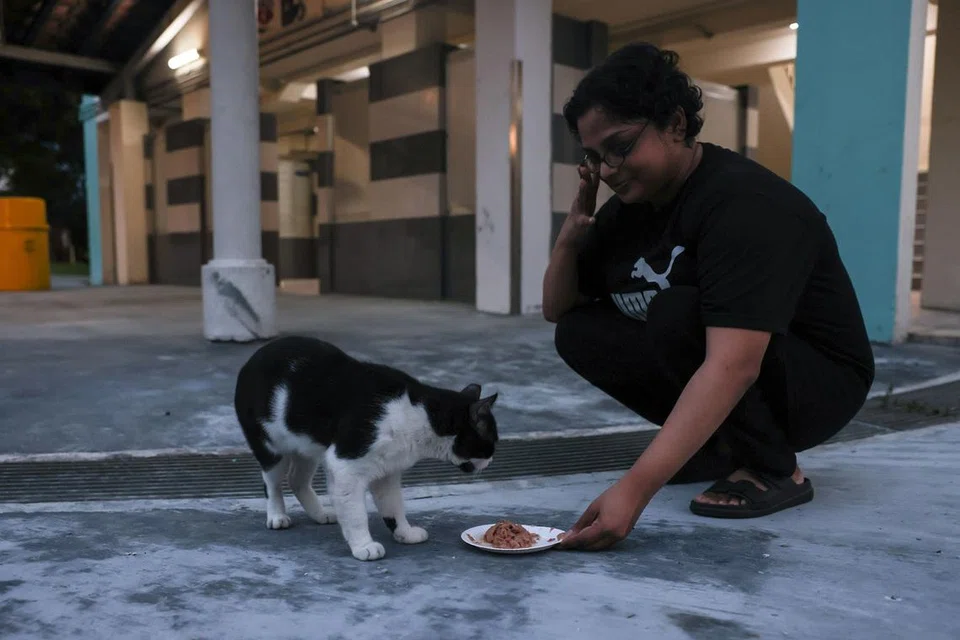
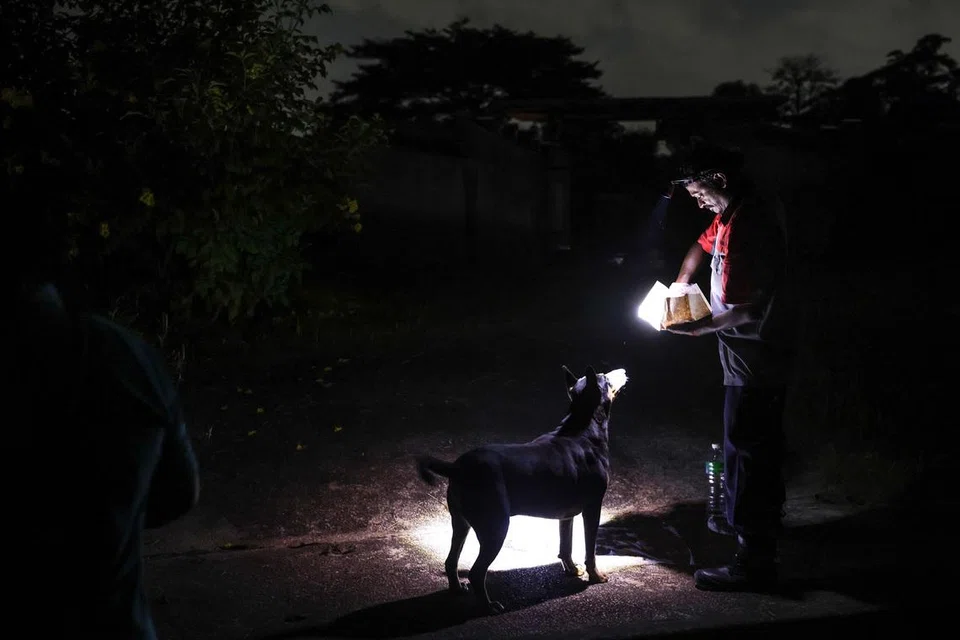
Before her father’s death in 2009, the 47-year-old was unaware of strays living in cemetery compounds. Now, she and a friend feed the animals either home-cooked or bought meals almost every night.
“The cemetery is home to about 50 cats and dogs, but they are often overlooked. Despite being a Muslim, I believe in feeding even dogs and providing them with care and love,” Ms Mumtaz said.
“Many people think strays don’t need to be fed. But these animals don’t get enough nutrition. We volunteers also regularly identify cats for sterilisation, which effectively and humanely controls their population.”
As part of its efforts to support such volunteers and raise awareness on stray cats, the Cat Welfare Society (CWS) established a cat caregiving programme in Boon Lay in November 2023.
Since then, the neighbourhood has seen a reduction in abandonment cases and errant feeding.
“Cat abuse, neglect and hoarding are symptoms of deeper fundamental social issues,” said CWS president Thenuga Vijakumar. The organisation thus reaches out to cat owners and caregivers through their monthly door-to-door visits in selected neighbourhoods.
This year, after years of advocacy by CWS, the Society for the Prevention of Cruelty to Animals (SPCA) and other animal welfare groups, the 34-year ban on cat ownership in HDB flats was lifted.
Although not strictly enforced, it was previously illegal to house cats in HDB flats since 1989 due to the supposed inconvenience they may cause neighbours. Now, up to two cats may be housed in a flat. Additional pet licences are subject to approval by HDB and the Animal & Veterinary Service.
Ms Thenuga said that for many, the Covid-19 period marked their first real encounters with community cats in the neighbourhood. At the same time, there were some residents who viewed the animals as nuisances, and proposed to the town councils for the cats to be removed from the area.
In her view, these actions signal a critical issue of awareness and tolerance to co-exist.
“We’re counting on more people to help break these misconceptions and join us to support the cause to strengthen community cat welfare,” said Ms Thenuga.
“After all, they are as much a part of our society as we are.”