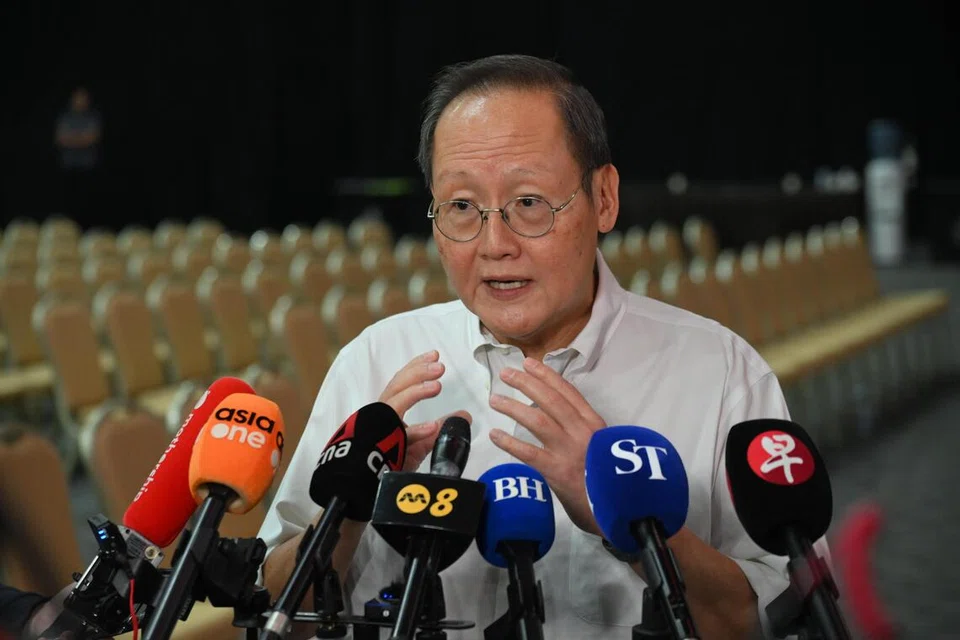
Indonesia’s cutting of exports of natural gas to Singapore is not expected to affect electricity prices for now, Minister for Energy, Trade and Industry (Energy and Industry) Tan See Leng said on Sunday (Oct 25).
The reduction makes up less than 2% of the country’s needs, and Singapore should instead be looking at fluctuations in global prices, he said. This is because the unit price of gas is usually pegged to the movement of some of the key global indexes, he noted.
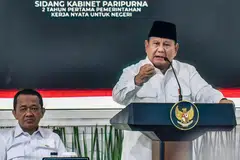
Indonesia had said it would cut natural gas exports to Singapore by 31 billion British thermal units per day (BBTUD) from Oct 24. This was framed in Indonesian media reports as part of President Prabowo Subianto’s government moves to prioritise domestic energy needs amid growing concerns over energy security.
Minster Tan gave the reassurance that Singapore has sufficient gas supply to meet its demand.
He said the Republic’s central procurer and supplier of natural gas is ready to import more liquefied natural gas (LNG), and the country maintains a standby LNG facility.
The Energy Market Authority (EMA) said that based on the information from Singapore’s natural gas importers, the total reduction amounts to 17 BBTUD over a period of 18 days.
Singapore’s total daily gas demand amounts to more than 1,000 BBTUD. Singapore relies on natural gas for around 95% of its electricity needs. In 2025, 40% of the supply came via pipelines from Malaysia and Indonesia. The rest was supplied by sea from markets around the world.
The reduction affects gas supplied through pipelines from Natuna and Sumatra, and the cuts would affect only Singapore because the relevant export pipelines were connected directly to the city-state.
Checks showed that the natural gas from Sumatra is exported to Gas Supply, and the Natuna pipeline connects to a receiving facility operated by Sembcorp Gas.
Local gas importer Gas Supply said on Oct 24 that its delivery of gas to customers here has been affected by “temporary reductions” in supply from its supplier in Indonesia.
Singapore had experienced reductions in its gas supply ranging from 20 BBTUD to 100 BBTUD in recent months, a result of planned or urgent maintenance. That shortfall had been replaced with other gas sources without incident, EMA pointed out.
Mr Tan said Singapore has multiple layers of defence in place to ensure its energy security, including diversifying its sources of natural gas and requiring power generation companies to maintain sufficient diesel reserves to guard against gas supply disruptions.
In the medium term, the Republic is building a second LNG terminal and diversifying its energy mix – including exploring alternative energy sources such as biomethane and geothermal, he added.
Mr Tan said that he will elaborate more on the Republic’s future energy mix at his opening speech during the start of the Singapore International Energy Week conference on Oct 26.
“So I would like to urge all of our fellow Singaporeans: keep calm and carry on. We have dealt seamlessly with such reductions in the past, without any incident, and the government will continue to ensure the reliability and the resilience of Singapore’s energy supply,” he said.
At the PAP conference, Prime Minister Lawrence Wong said Singapore expects all parties to honour their commitments made under commercial contracts, and the country’s gas importer will take necessary steps to protect its rights and interests.
Indonesia has been planning to reduce gas exports to Singapore for several years to meet growing domestic demand. In 2022, Jakarta agreed to extend gas supplies to Singapore until 2028, but at lower volumes than under the previous contract.
On whether there were other factors at play in Indonesia’s decision and how the Government will handle these, Mr Tan said both countries have very good relations at the highest level of government – particularly between President Prabowo and PM Wong – built through decades of “very good, solid partnerships”.
“We understand that they may have some domestic supply needs and bottlenecks,” he added.
“Now, the exact details moving forward, I think these are still, you know, early days, and we will continue to monitor the situation very closely.”
Asked about the timing of Indonesia’s decision to reduce its gas supply and if this was in direct response to Singapore’s comments on the haze issue, Tan noted that Indonesia has “curtailed gas exports before”, including earlier this year due to repairs and maintenance works to their pipelines.
Mr Tan also said he was not in a position to comment on the timing of the decision. THE STRAITS TIMES