Electricity and gas tariffs in Singapore will increase in the April to June 2026 period, mainly due to rising fuel costs linked to geopolitical tensions in Middle East, according to the Energy Market Authority (EMA).
The regulator explained that quarterly tariffs are calculated based on average fuel prices from the preceding period. Since natural gas prices only began climbing toward the end of February 2026, the upcoming tariffs reflect only part of this increase.
As a result, the tariffs for this quarter are based on fuel prices from January to mid-March. EMA also cautioned that continued high fuel costs could lead to further, and potentially steeper, price hikes in the coming quarters.
In a statement on March 31, grid operator SP Group said the electricity tariffs for homes will go up by 2.1 per cent from the previous quarter, to 29.72 cents per kilowatt-hour (kWh).
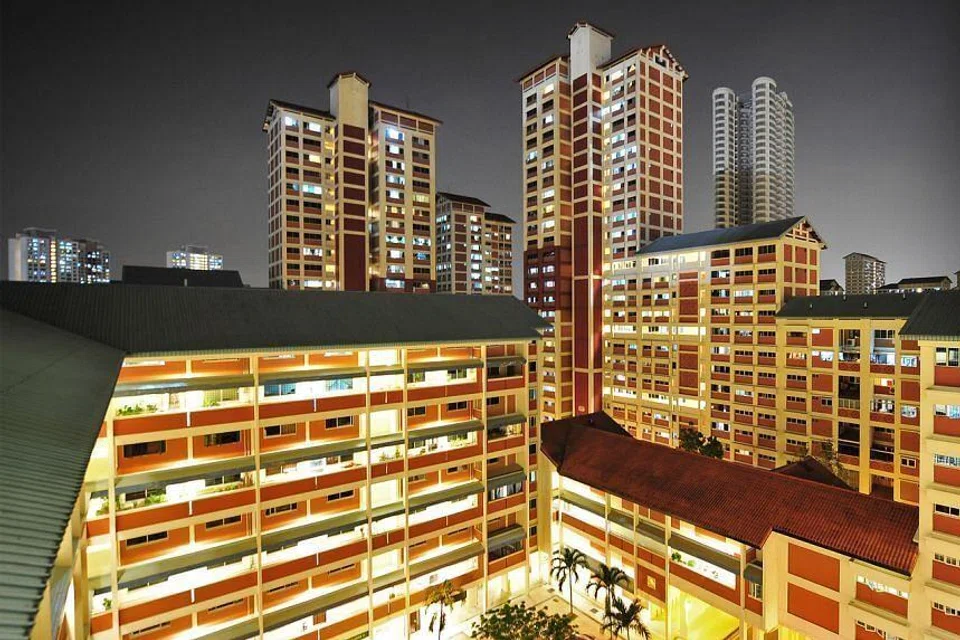
The average monthly electricity bill for those living in four-room HDB flats will increase by $1.96.
EMA regulates Singapore’s electricity tariffs, which are reviewed every three months based on the cost of power generation and price of natural gas.
According to the latest available data in October 2025, 63.4 per cent of households paid for their electricity consumption via the prevailing tariff rate, while over 36 per cent had signed up for plans with electricity retailers.
Less than 0.1 per cent of households bought electricity at wholesale prices.
EMA said: “An increase in the cost of natural gas would therefore lead to increase in prices of electricity and town gas for all consumers in Singapore.”
The full impact of fuel price hikes due to the Middle East conflict will also take effect only later.
Tariffs for each quarter are determined based on the average fuel costs in the first 2½ months of the preceding quarter.
For the April to June period, the electricity and town gas tariffs are based on fuel prices from January to mid-March, EMA added.
Because prices of natural gas had started to climb only after Feb 28, the regulated tariffs for electricity and town gas in the second quarter of 2026 have only been partially affected by the rise in fuel prices.
”So, Singapore is “likely to see further and potentially sharper increases in the electricity and town gas tariffs” later in 2026, EMA said, and consumers will likely have to pay more when renewing their retail electricity contracts.
This is because fuel prices are “expected to remain elevated in the foreseeable future”, given the situation in the Middle East.
It advised consumers and businesses to be prepared for higher and more volatile energy costs, given the unpredictability of the duration of the conflict.
It is “closely monitoring the situation and working closely with the industry to ensure supply security”.
“Everyone can play a part by using more energy-efficient appliances and conserving energy to reduce energy consumption. This will help lower energy costs and contribute to Singapore’s energy resilience,” EMA said.
Dr David Broadstock, partner at energy consultancy The Lantau Group, told The Straits Times that the current increase in electricity and gas prices is muted.
He said: “It feels like a price change that is probably reflecting the acknowledgement that we need to prepare for higher prices, but not jumping too far while things are still so variable and uncertain.” Dr Broadstock said the Middle East conflict has taken “a different complexion”, with uncertainty over peace talks and Yemen’s Iran-aligned Houthis launching attacks on Israel.
“The underlying narrative is evolving rapidly. All countries, not just Singapore, are trying to work out what this really means in the long term,” he added.
Rystad Energy senior consultant David Chew said the conflict has “essentially not really been priced” into the new electricity tariff, as it was calculated using daily natural gas prices from Jan 1 to March 15.
“The next tariff will likely fully reflect the conflict cost, given that the conflict does not look like there’s a definitive end coming, and with energy infrastructure being destroyed, rather than it just being a logistical constraint of the Strait of Hormuz closure.”
Wholesale electricity prices in Singapore have been climbing since the Middle East conflict broke out.
The weekly Uniform Singapore Energy Price, a measure of the wholesale cost of electricity, has increased for five consecutive weeks.
During the week of March 22 to 28, it hit the highest level seen so far in 2026 at $169.23 per megawatt hour.
On March 20, Minister-in-charge of Energy and Science & Technology Tan See Leng said Singapore is ready to implement contingency measures in relation to the energy market, as the conflict in the Middle East has turned “significantly more serious”.
Dr Tan, who is also Manpower Minister, added that the Government has not yet needed to dip into its energy stockpiles of liquefied natural gas and diesel, which are enough to last for months.
However, the US strike on Iran’s main oil export hub in March and Tehran’s retaliatory attack on Qatar’s Ras Laffan facility will bring about longer-term effects, he said.
The Straits Times