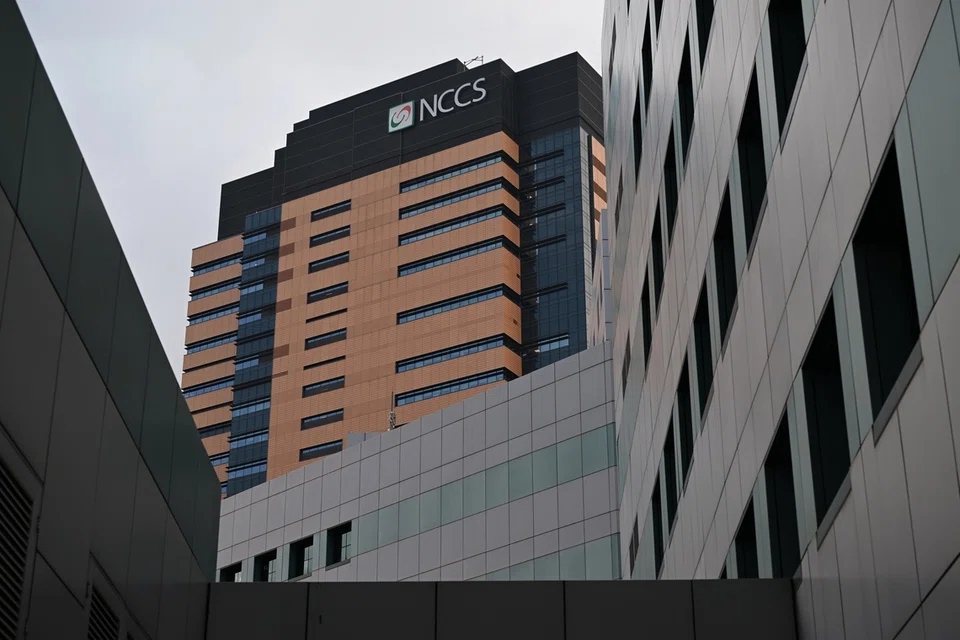
The National Cancer Centre Singapore (NCCS) has apologised for an e-mail gaffe that sparked privacy concerns after a mailing list exposed the identities, contact details and, in some instances, workplaces of individuals with a genetic cancer condition.
In a statement on the evening of Sept 19, NCCS chief operating officer Chong Pang Boon said the centre was “deeply sorry for the error”, which he termed an “administrative” one.
The e-mail was an invitation to a Living with HBOC event – referring to hereditary breast and ovarian cancer syndrome, which can affect both genders – sent by the NCCS on Sept 18 to the medical centre’s list of individuals associated with the condition, according to screenshots shared with The Straits Times.
However, instead of using the BCC (blind carbon copy) function, which keeps recipients hidden, the CC function was used.
Those who received the e-mail could thus view the names, e-mail addresses and workplaces of others with the genetic condition, if they had used their workplace e-mail address.
Chong, who is also NCCS’ data protection officer, said on Sept 19 that the e-mail had been sent to 467 addresses.
Apart from e-mail addresses, no NRIC numbers, phone numbers or other personal data was revealed, he said.
In a subsequent e-mail from NCCS after the initial Sept 18 invite, seen by ST, recipients were requested to delete the earlier e-mail from their inboxes and trash folders. They were also asked not to circulate it further and to refrain from using or saving any e-mail addresses listed.
Chong said: “We apologise for any anxiety this may have caused, and we are deeply sorry for the error. We have notified recipients of the e-mail to provide support and address any concerns they may have.”
He added that the incident has been reported to the Ministry of Health and the Personal Data Protection Commission (PDPC), and that NCCS is investigating and “thoroughly reviewing” its internal processes to ensure this does not happen again.
In response to queries, a PDPC spokesperson said PDPC is aware of the incident and investigating.
ST has contacted SingHealth for more information.
Sent at 7.53pm, the original e-mail invited recipients and their loved ones to the NCCS event scheduled for Oct 31.
Checks by ST of the NCCS website show that it is an invite-only event from 10am to 12.30pm and is for people living with HBOC and their relatives. It will feature an “informative session” and “interactive workshops”.
Various e-mail addresses can be seen in the screenshots. The sender appears to be a member of the NCCS Cancer Genetics Service, which provides genetic counselling to individuals with a history of cancer.
One recipient, who spoke to ST on condition of anonymity, said e-mail domains identified the companies, foreign embassies and schools of those on the NCCS HBOC list. In the e-mail thread, they also saw a list of NCCS doctors, including their own.
“This effectively discloses each person’s association with hereditary cancer screening or counselling to a group of strangers,” they said.
“It ties identifiable people directly to a health condition, which is a more sensitive category of personal data than a typical CC mishap.”
The recipient was worried that people they had never met would know about their genetic condition.
“I don’t know who they are, whether they will pass this information to someone else, or whether it will come back to affect me at work or with insurance one day,” they said.
Adding that their children have a 50 per cent chance of inheriting the genetic mutation and will need to be tested once they turn 21, they fear their children’s future employment and insurance prospects could be affected.
They said the NCCS attempted to recall the e-mail 2½ hours after it was sent.
The recipient has also informed the agency’s quality service manager and asked for a follow-up.
HBOC is an inherited genetic condition most commonly caused by mutations in the BRCA1 or BRCA2 genes. These genes make proteins that repair damaged DNA and protect against tumour growth.
The harmful inherited mutations significantly increase a person’s lifetime risk of developing breast and ovarian cancers, as well as prostate, pancreatic and skin cancers.
THE STRAITS TIMES