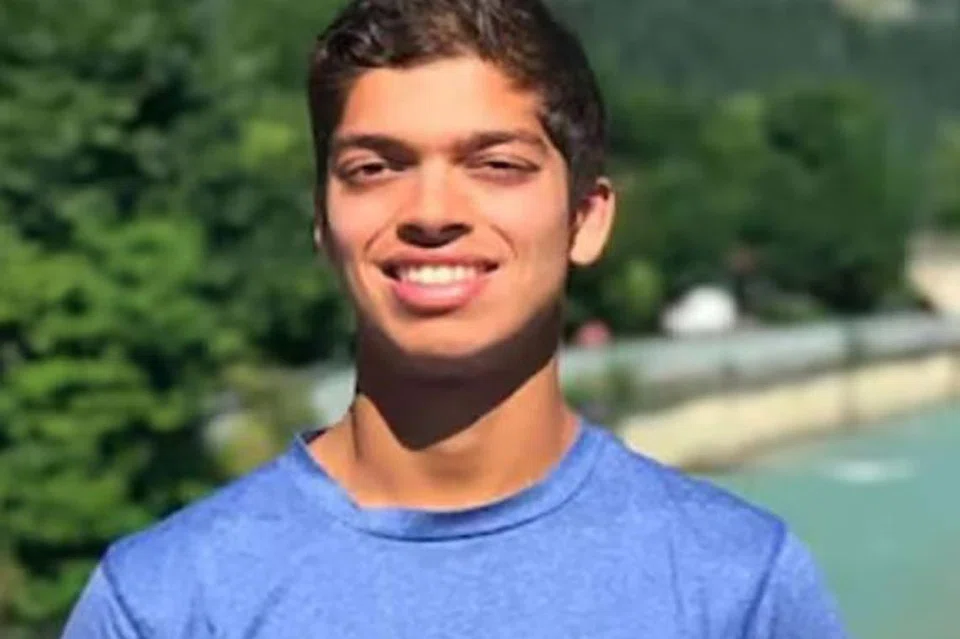
Massachusetts Institute of Technology (MIT) has barred an Indian PhD scholar from entering his college campus over a pro-Palestine essay he wrote in the college magazine last month.
Prahlad Iyengar was suspended till January 2026. This, many believe, could effectively end his academic career at MIT as it would terminate his five-year National Science Foundation Graduate Research Fellowship.
The essay Iyengar wrote – titled On Pacifism – was published in the October issue of Written Revolution, a multidisciplinary student magazine about the pro-Palestine movement.
MIT has said Iyengar’s language in the article could be interpreted as calling for violent protests on the campus.
The magazine has since been banned.
Reacting to the suspension, Iyengar said the charges against him of “supporting terrorism” were because of the photos accompanying his essay, which were not provided by him.
“The administration accuses me of supporting ‘terrorism’, because the edition in which my article appears includes images of posters from the Popular Front for the Liberation (of Palestine), and violent imagery,” he wrote in a statement shared by his lawyer on X.
“These extraordinary actions should concern everyone on campus. Expelling me and banning Written Revolution from campus as a result of this article would mark an unprecedented attack on the rights of the entire student body and faculty. Consider the precedent MIT has set.”
Iyengar is pursuing a PhD from the Department of Electrical Engineering and Computer Science.
This is the second time Iyengar has been suspended by the institution. He was suspended last year following his involvement in pro-Palestine demonstrations.
The MIT Coalition Against Apartheid has started a protest against MIT’s decision. “After public backlash against Prahlad’s campus ban due to an article about the pro-Palestine movement, MIT pivoted to suspending Prahlad on charges that have been resolved as informal warnings in similar scenarios,” wrote MIT Coalition Against Apartheid on X.
The dispute has highlighted the boundaries of free expression on American college campuses, and brings to light the conflicts that surround political expression, especially in relation to the Israeli-Palestinian conflict.