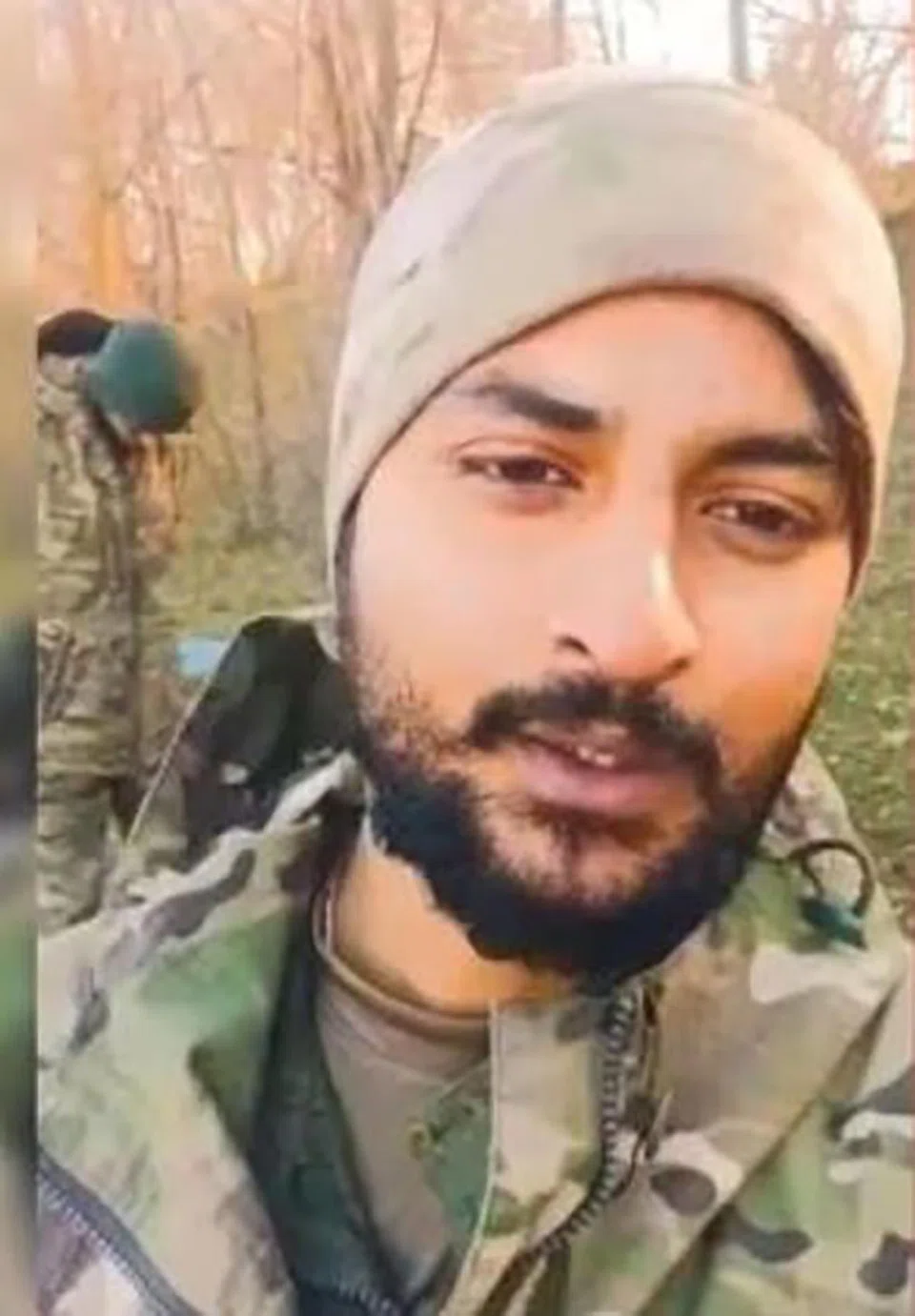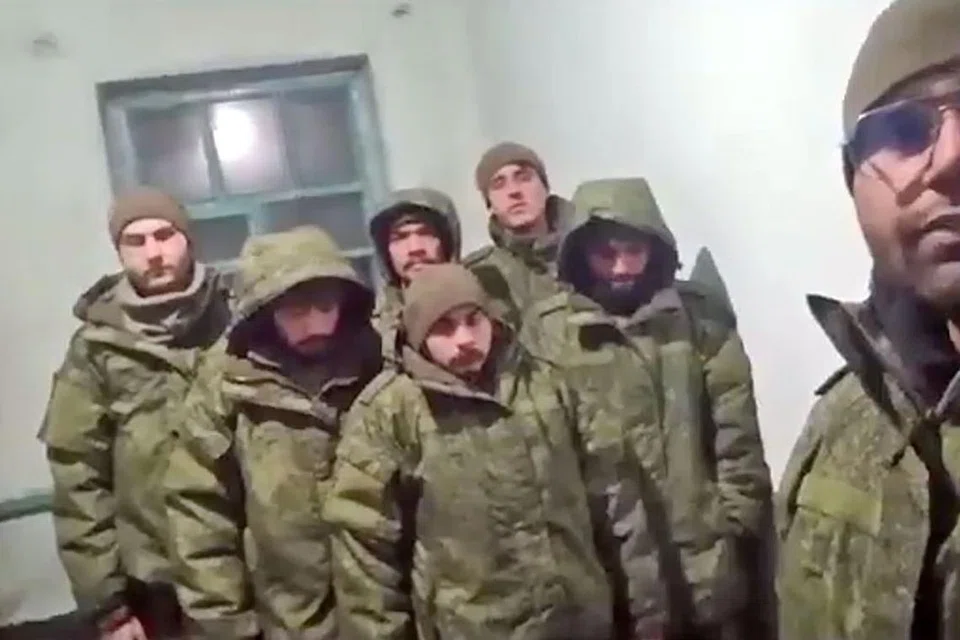
Four Indian citizens returned home last Friday after they were fraudulently drafted into a private Russian Army and made to fight in the war with Ukraine.
One of them, Mr Mohammad Sufiyan from Telangana, released a video seven months ago, pleading to be rescued. He and three others, who are from Karnataka, were prey to a job fraud along with about 60 more young men from India.
Many others are still stuck in Russia, awaiting rescue, having to serve as soldiers in the Russia-Ukraine war.
Promising jobs as security personnel or helpers in Russia, young men flocked to the job offers and many were shipped out to Russia in December 2023, only to get the shock of their lives upon arrival.
“We were treated like slaves,” Mr Sufiyan told the Times of India. “We were woken up at 6am every day and made to work 15 hours straight – with no rest or sleep. The conditions were inhuman.”
They had to manage difficult tasks with a meagre ration of food.
After being drafted into service, the men had to dig trenches and use assault rifles. They were even trained to use Kalashnikovs such as the AK-12 and AK-74, hand grenades and other explosives.
“Our hands were blistered, our backs ached and our spirits were broken. Yet, if we showed any signs of exhaustion, bullets were fired at us to force us back into the laborious tasks,” Mr Sufiyan said.
Beyond the physical toll was the psychological burden of living disconnected from the world. Their phones had been confiscated and they didn’t know when they would return or when they could talk to their family next.
Mr Sufiyan and his companions recalled how they never knew with certainty where they were – or were being taken to – and were not allowed to communicate with their families back in India.
“Our mobile phones were seized. For months during the training, I could not talk to my family,” said Mr Abdul Nayeem from Karnataka, fighting back tears.
The psychological toll of living in an alien war zone was immense on the men. Mr Syed Ilias Hussaini, a resident of Kalaburagi in Karnataka, described the constant fear of being caught in the crossfire and the unrelenting pressure to perform under life-threatening circumstances.
“Every day we woke up not knowing if it would be our last. The sound of gunfire and explosions became a constant backdrop in our lives, and we lived in perpetual fear,” he said.
The only way to cope, the men said, was to pray and imagine a day when they would set foot back in India and reunite with their families.
“We longed for the comfort of our families and the safety of our homes. The thought of never seeing them again haunted us every day,” Mr Sufiyan said, tightly holding onto his brother Mohammad Salman who, along with his parents and others, were at the airport to receive him.
The sight of other “soldiers” dropping dead only added to their trauma.
“Hamil, a very good friend of mine from Gujarat, was blown to death in a drone attack. He was part of a team of 24 soldiers, including one Indian and one Nepali. It shook me up,” recalled Mr Sufiyan.
Hamil’s death became the catalyst for them to alert their families about the situation, who then reached out to India’s External Affairs Minister S. Jaishankar who facilitated their rescue.
Russia’s military has discharged 45 Indian nationals who were misled into fighting in the war against Ukraine, India’s Foreign Ministry said recently, adding that efforts were underway to release 50 more Indian soldiers.
The Indian nationals were able to return home after Prime Minister Narendra Modi raised their plight with Russian President Vladimir Putin during his visit to Moscow in July, according to media reports.
At least four Indians have been killed in Russia’s war against Ukraine.
India’s domestic crime investigation agency says around 100 Indian nationals fell victim to human traffickers who lured people to Russia with job offers or admission to “dubious private universities”.
In May, Indian authorities arrested four people implicated in the trafficking network. Those arrests came after investigators carried out raids across 13 locations in India and detained several people for questioning.
At least 91 Indian nationals have ended up serving Russia on the front lines, and of those, eight have died, according to India’s foreign ministry.