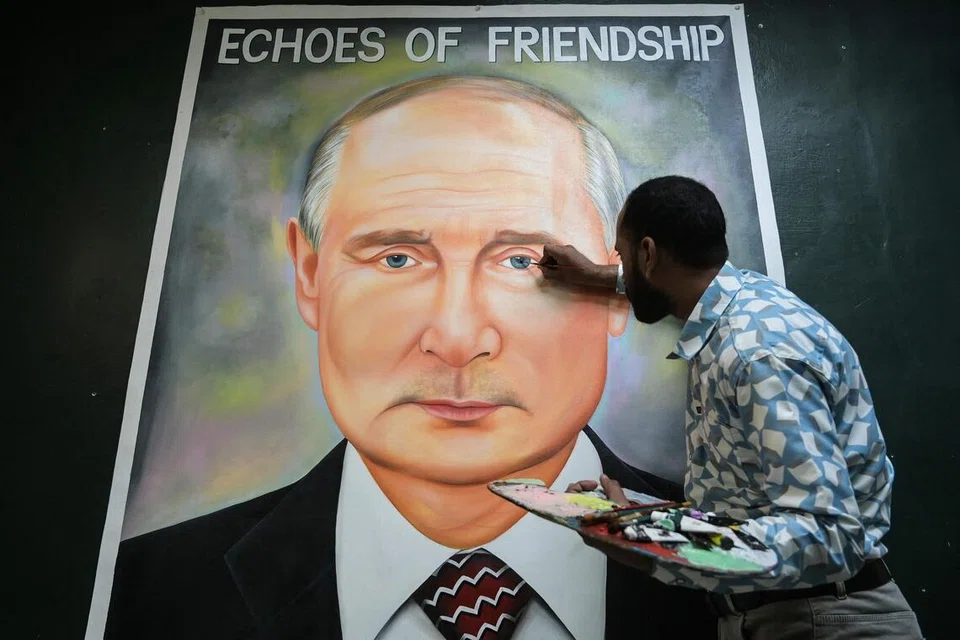
Russian President Vladimir Putin’s two-day visit to India, beginning Nov 4, marks his first trip since the Feb 24, 2022, Ukraine invasion – and comes at a crucial time for both Moscow and Delhi.
With defence deals, energy partnerships, and geopolitical positioning at stake, the visit reflects India’s complex balancing act between traditional alliances and growing Western pressure, especially from the United States, reported AFP.
Mr Putin arrived with a high-level delegation, including Defence Minister Andrei Belousov, signalling strong intent on military cooperation.
The agenda includes discussions on the pending delivery of S-400 air defence systems and a potential deal on Russia’s Su-57 fifth-generation fighter jets.
India, historically reliant on Russia for defence – 76 per cent of arms imports from 2009-2013 were Russian – has been diversifying, with Russia’s share dropping to 36 per cent in 2019-2023.
Still, Moscow remains vital. India’s frontline defence platforms – Sukhoi-30 jets and S-400 systems – are Russian. The recent skirmish with Pakistan reaffirmed their utility, noted the BBC.
With China’s J-35 stealth jets entering Pakistani service, India is reportedly eyeing the S-500 system and Su-57s for parity. However, delays caused by Western sanctions on Russia pose delivery challenges, prompting Indian Prime Minister Narendra Modi to seek timeline guarantees from Mr Putin.
India’s purchase of discounted Russian oil – rising from 2.5 per cent to 35 per cent of total crude imports post-Ukraine war – helped Moscow stay afloat amid European sanctions and saved India billions, according to Western media. But this economic pragmatism has drawn ire from Washington. The Trump administration retaliated with 50 per cent tariffs in August and an additional 25 per cent in October, alleging India was indirectly financing Russia’s war.
Facing mounting US pressure, India has scaled back oil imports, reported AFP. But Russia remains a key supplier, and Mr Putin is keen to restore volumes. Kremlin spokesperson Dmitry Peskov dismissed tariff threats, stressing that bilateral trade should be free of “interference”.
India’s foreign policy mantra of “strategic autonomy” is under severe test. While Mr Modi has resisted Western calls to condemn Russia outright, maintaining ties with Moscow, he is also under pressure to preserve ties with the West. Mr Trump, once hailed by Mr Modi as a “true friend,” now threatens India’s economic interests.
Mr Putin’s visit, therefore, is more than routine. Prof Harsh V Pant of King’s College London described it as “a statement of intent” by both leaders. Mr Modi needs to reassure voters and international observers that India remains independent in its global choices, despite US penalties and European criticism.
Trade between the two nations reached US$68.7 billion (S$89.09 billion) in 2024-25, driven mainly by energy. But India exported only US$4.88 billion worth of goods – a lopsided figure Mr Modi aims to correct.
Delhi is pushing for greater market access in Russia for pharmaceuticals, automobiles, and services.
New Delhi also seeks to expand cooperation beyond oil and defence, with future plans to include skilled workforce exchange, retail expansion, and high-tech partnerships.
For Mr Putin, this visit is a signal that Russia is not isolated. His recent trips to China and now India project an image of continued global relevance.
“Despite sanctions, Russia’s pivot to Asia and the Global South is clear,” said Novaya Gazeta columnist Andrei Kolesnikov. “India plays a central role in that recalibration.”