
Indian Prime Minister Narendra Modi has urged Indians to adopt stricter fuel-saving habits and cut back on non-essential spending as rising tensions in the Middle East continue to disrupt global energy markets and increase pressure on India’s foreign exchange reserves.
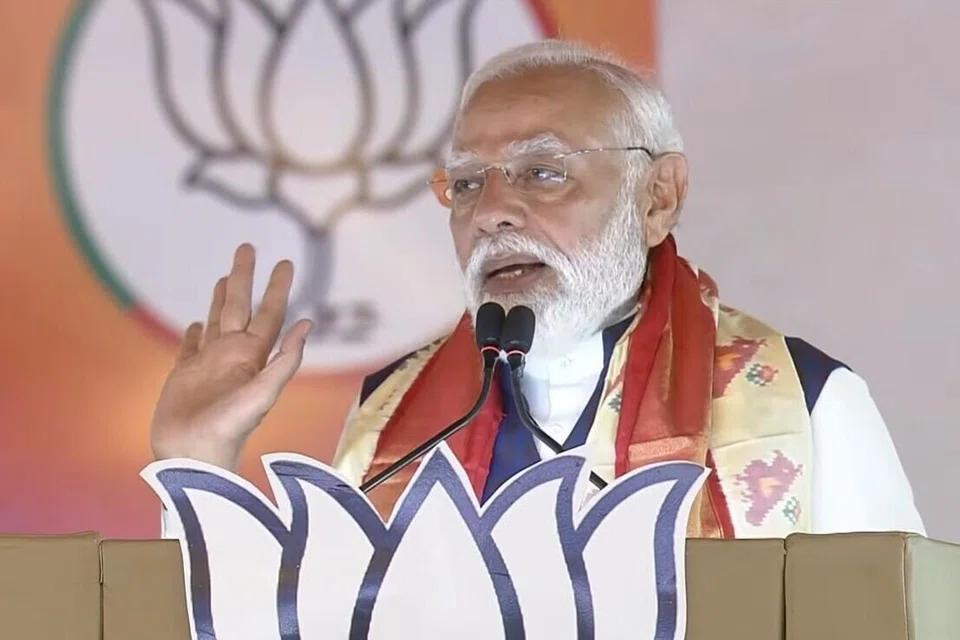
Speaking at a public rally in Hyderabad, Mr Modi appealed to citizens to reduce their dependence on imported petroleum products by using public transport, carpooling, electric vehicles, and railways for freight movement.
He also suggested reviving Covid-era work-from-home systems and increasing the use of virtual meetings to limit unnecessary travel and fuel consumption.
The Indian Prime Minister’s remarks come at a time when crude oil prices have surged due to prolonged geopolitical instability around the Strait of Hormuz, a key global oil transit route.
India, which imports nearly 90 per cent of its crude oil requirements, predominantly from the Middle East, is facing mounting concerns over higher import bills, inflationary pressures and a widening trade deficit.
“Petrol-diesel has become so expensive across the world. It is our responsibility that the foreign exchange spent on purchasing petrol-diesel should also be saved by conserving petrol-diesel,” he said.
Mr Modi also appealed to the public to postpone non-essential foreign travel and avoid purchasing gold for at least a year, arguing that such measures could help conserve valuable foreign exchange reserves during a volatile global period.
He specifically pointed to the growing trend of destination weddings and overseas vacations among middle-class families, saying temporary restraint would support the national economy.
In addition, he encouraged households to support locally manufactured products under the ‘Make in India’ initiative and shift toward sustainable alternatives such as solar-powered equipment and electric mobility solutions. Mr Modi also suggested reducing edible oil consumption, linking it not only to savings in imports but also to public health benefits.
Several reports noted that oil marketing companies have so far avoided raising retail fuel prices despite rising global crude costs, though analysts believe price revisions may become unavoidable if supply disruptions continue.
The Indian Prime Minister framed this proposed lifestyle adjustments as part of a broader national effort to navigate economic uncertainty caused by international conflicts and supply-chain disruptions. He stressed that collective action by citizens could help India reduce economic vulnerability during the ongoing global crisis.