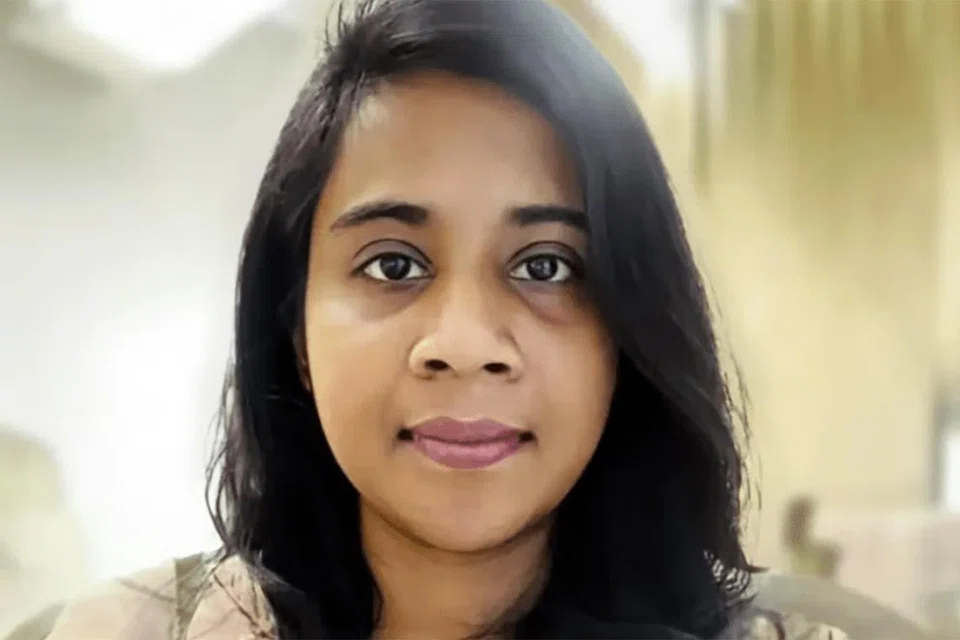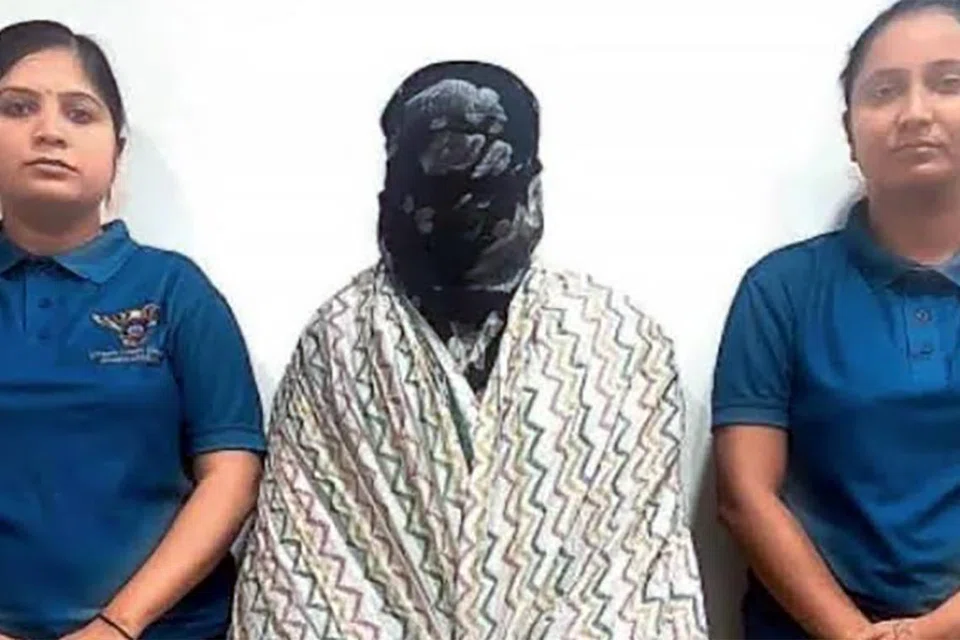
In a disturbing tale of obsession, betrayal and high-tech deception, 30-year-old robotics engineer Rene Joshilda was arrested on June 24 by Gujarat police for allegedly sending over 21 bomb threats to public locations across 11 Indian states.
The threats, which sparked widespread panic and emergency responses, were part of a calculated attempt to frame a man who had rejected her romantic advances, reported NDTV.
Joshilda, a senior consultant at Deloitte in Chennai and an engineer trained in robotics, allegedly used her technical expertise to mask her identity.
Police say she used virtual numbers, VPNs, the Tor browser and the dark web to create multiple fake e-mail IDs, including several under the name of Divij Prabhakar – the man she was obsessed with.
Ahmedabad Joint Commissioner of Police (Crime) Sharad Singhal said Joshilda’s elaborate plot was driven by personal revenge.
“She was in love with Prabhakar and had envisioned a future with him. But when he married another woman in February, she felt humiliated and vengeful,” Mr Singhal told reporters.
In an effort to destroy his reputation, she launched a digital terror campaign using his name, sending hoax bomb threats to schools, hospitals and even stadiums.
The case first came to light when Geneva Liberal School in Ahmedabad received a chilling e-mail on June 3 warning of an imminent blast.
The e-mail also referenced an alleged rape in a Hyderabad hotel in 2023 – fabricated to gain police attention. Soon, other institutions began receiving similar e-mails, including Narendra Modi Stadium, BJ Medical College and Divya Jyoti School.
The panic spread beyond Gujarat. Bomb threats were reported across Maharashtra, Rajasthan, Tamil Nadu, Delhi, Karnataka, Kerala, Bihar, Telangana, Punjab, Madhya Pradesh and Haryana. Some of the threats were timed to coincide with VIP visits or religious events, prompting heightened security deployments.
In one e-mail sent to BJ Medical College after the tragic AI-171 Air India plane crash in Ahmedabad, the sender falsely claimed responsibility: “Like we sent you mail yesterday, we crashed the Air India plane with our former CM… Now you know we are not playing.”
The breadth of the hoax forced police departments across states to coordinate with Ahmedabad’s cybercrime unit. Joshilda remained undetected for months due to her meticulous digital camouflage.
“She was very smart, and left no obvious trail,” said Mr Singhal. “But one mistake exposed her.”
According to investigators, six months ago, Joshilda inadvertently logged into both her real and fake e-mail accounts from the same device. This revealed her IP address and provided the breakthrough cyber teams needed.
She was arrested from her residence in Chennai following this lead, and digital as well as physical evidence was recovered during the search.
Police say Joshilda used Prasad, a former AIADMK party IT wing administrator now in custody, as an indirect connection. The original investigation into Prasad’s involvement in a bar brawl and alleged drug activity led to scrutiny of suspicious e-mails, which eventually uncovered Joshilda’s involvement.
Beyond the emotional motive, Joshilda’s behaviour has prompted broader questions about psychological health and cybercrime. “She let her personal rejection evolve into a national security threat,” an officer said, adding that the investigation continues to uncover other digital assets and potential accomplices.
Karnataka police have also stepped in, confirming that Udupi schools had received similar hoax threats. “We will seek custody of Rene Joshilda after Gujarat police conclude their investigation,” said Udupi Superintendent of Police Hariram Shankar.
While Joshilda awaits legal proceedings, her case has ignited conversations on the misuse of technology for personal vendetta and the need for better mental health awareness in high-pressure professional environments.
Her arrest marks the end of a bizarre saga, but investigations into the full extent of the digital damage – and its emotional fallout – have only just begun.