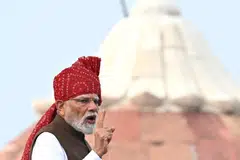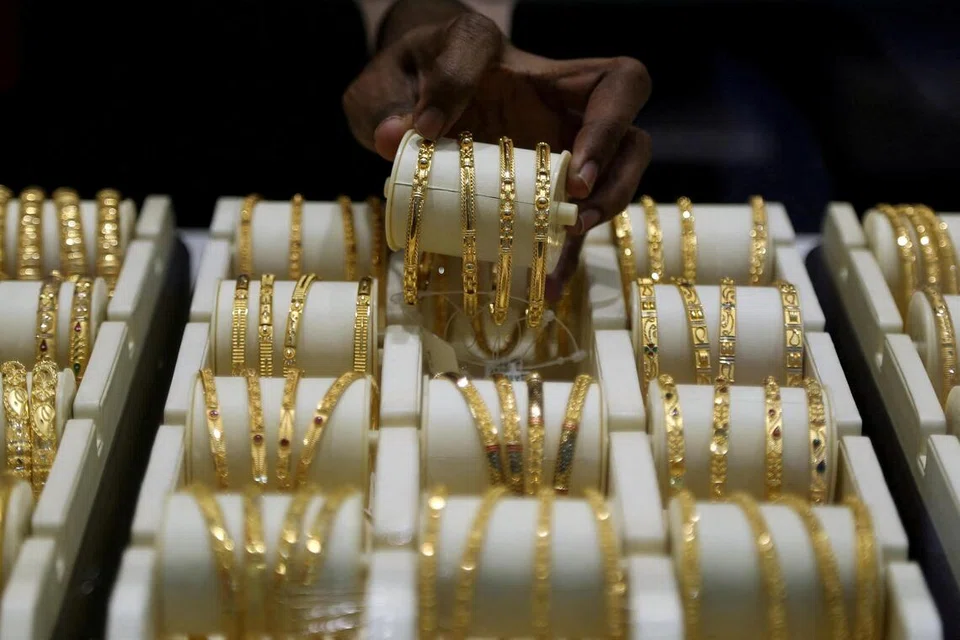
Going on Instagram, Indian Prime Minister Narendra Modi urged citizens to reduce non-essential gold purchases and linked curbing gold consumption to the country’s “self-reliance” strategy, according to local media.
Mr Modi said: “If there is no need, even gold should not be bought.” Earlier In May, he had asked citizens to postpone non-essential gold purchases for at least a year and to reduce foreign exchange spending on overseas travel and destination weddings.
The backdrop for this appeal is a persistently expanding gold import bill. In fiscal year ending March 2026, India’s gold imports reached a record of US$71.98 billion (S$91.62 billion), up 24% from US$58 billion in the previous fiscal year. Notably, the surge in import value was driven by the sharp rise in international gold prices.
Gold imports account for more than 5% of India’s total merchandise imports and helped push the trade deficit to US$333.2 billion for the fiscal year. The import momentum has remained strong into the new fiscal year: gold imports from April to July reached US15.17 billion, up 32.4% year-on-year; July alone saw US4.16 billion. Meanwhile, India’s trade deficit widened to nearly US$32 billion in July, the highest level since January this year.
High tariffs fail to curb demand; policy effectiveness questioned
The Indian government has not been idle in the face of the ballooning gold import bill. On May 13, India sharply raised import tariffs on gold and silver from 6% to 15%, aiming to suppress physical gold demand, reduce imports, and ease pressure on the rupee. But the policy’s effectiveness has been incomplete.
According to World Gold Council data, India’s net gold imports in the second quarter fell 23% year-on-year to 98.1 tonnes, the lowest quarterly level since September 2020, yet official import values continued to grow rapidly. High tariffs have also brought new side effects — gold traders and refiners have observed widening discounts in the unofficial market, and the World Gold Council warned that illegal gold imports into India could exceed 100 tonnes in 2026.
There are reports that the Indian government is considering lowering import tariffs on gold and silver to address inflows that the previous tax hike failed to effectively curb. However, officials have not confirmed whether rates will be adjusted soon.
Deep cultural roots; effectiveness of administrative appeals in doubt
Gold holds deep cultural and financial significance in India, long serving as a core asset for intergenerational wealth transfer among Indian households, closely tied to marriage customs and religious ceremonies. This is one reason Modi’s remarks have drawn widespread public attention.
However, whether “top-down” public persuasion can truly alter consumption behavior rooted in cultural traditions remains questionable in the eyes of the market.
India’s foreign exchange situation is not in crisis. For the week ending August 21, India’s foreign exchange reserves reached a record US$729.33 billion, up US$38.22 billion from the end of March; India also posted a current account surplus of US$7.1 billion in the first quarter of this year. From April to June, India’s GDP grew 7.8% year-on-year, notably higher than 6.9% in the same period last year and above the Reserve Bank of India’s earlier forecast of 7%.
The Indian government is not responding to an overall economic slowdown, but rather seeking to reduce unnecessary imports and foreign exchange spending while the economy maintains relatively fast growth, thereby enhancing the economy’s resilience to external shocks. The real test may come after the traditional festival and wedding season begins. Gold holds a special place in Indian savings, weddings, and religious activities, and administrative appeals alone are unlikely to fundamentally change consumption habits. Mr Modi also did not announce new laws restricting residents’ gold purchases, nor did he introduce new overseas travel control measures.
India is the world’s second-largest gold consumer, behind only China. Since the vast majority of gold is imported and must be settled in US dollars, every uptick in gold demand means larger dollar outflows, directly pressuring foreign exchange reserves and the rupee exchange rate.