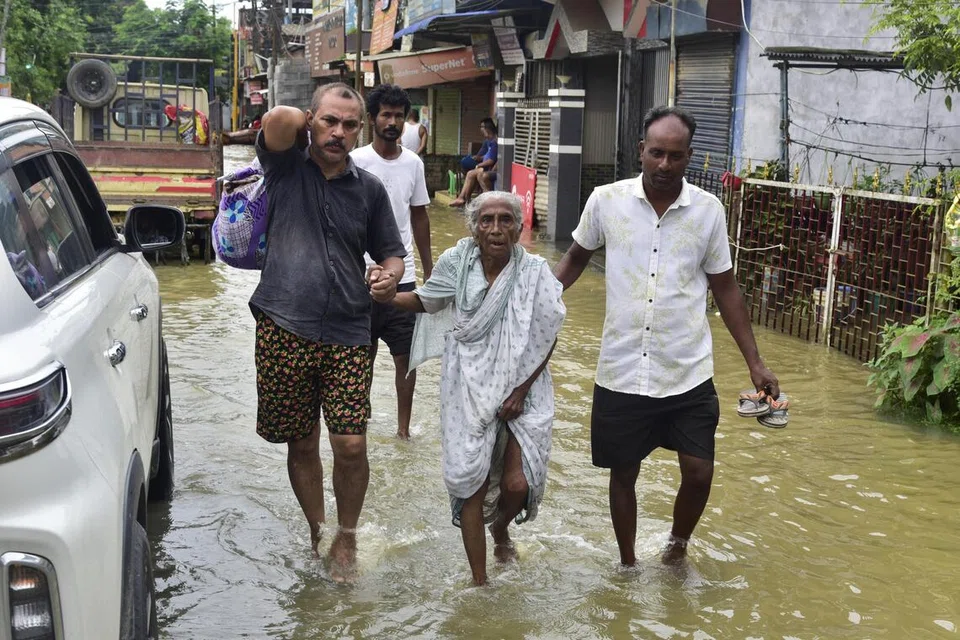
While student protests over jobs and examination reforms have dominated headlines across India in recent weeks, Kerala is confronting a very different challenge – one that could eventually reshape the country’s social and economic landscape.
The southern state, long celebrated for its literacy, healthcare and high quality of life, is now India’s fastest-ageing state, reported Bloomberg.
More than one in five Keralites is aged 60 or above, compared with the national average of 12.9 per cent, making it a demographic trendsetter for a country that is still widely viewed as one of the world’s youngest nations.
Kerala’s ageing population is the result of decades of declining birth rates, rising life expectancy and large-scale migration. Generations of Malayalees have moved to the Gulf, Europe and other parts of India in search of better opportunities, often leaving elderly parents to live independently in homes once filled with family.
Recognising the growing challenge, the newly elected Kerala government has established India’s first dedicated Department of Elderly Welfare, making senior citizens one of its top policy priorities, reported the BBC.
Chief Minister V.D. Satheesan believes the state must rethink ageing, not as a welfare issue alone, but as an opportunity to keep older people active, productive and socially engaged.
“We want to make the major portion of the senior citizens constructive and creative. They should contribute to the economy and to the society and to the state,” Mr Satheesan said.
The department plans to strengthen geriatric healthcare, expand caregiver training, establish elderly day-care centres, parks and fitness facilities, and conduct a statewide survey of senior citizens. It is also preparing what could become India’s first legislation making eldercare a responsibility of the state rather than relying primarily on families.
For many families, the issue is deeply personal.
Seventy-year-old T.O. Dominic and his wife, M.J. Martha, live alone in Kerala while their two sons work in Karnataka and the Middle East. Daily phone calls provide comfort, but practical help is often unavailable when they need it most.
“We depend entirely on our neighbours,” Mr Dominic told the BBC. “Our children visit very rarely and we don’t have relatives nearby to assist us.”
Their experience reflects a growing reality across Kerala, where migration has improved household incomes through overseas remittances but has also left many elderly people facing loneliness and social isolation.
Dr Rathan Kelkar, who heads the new department, said the government’s strategy focuses on helping older people “age in place” by enabling them to remain in their own homes and communities rather than moving into institutions. Planned initiatives include expanding community-based care, creating volunteer networks, introducing certified caregiver training and promoting “social prescribing” by connecting seniors with meaningful community activities.
Experts believe Kerala’s experience may offer valuable lessons for the rest of India. With the country’s elderly population expected to reach around 230 million by 2036, many states are likely to face similar demographic pressures in the coming decades.
“Kerala is the first state to confront many of the realities that the rest of India will eventually face,” said Ms Poonam Munjal of the National Council of Applied Economic Research. “If it succeeds in building institutions that help older people live healthier and more independent lives, other states will have something to look up to.”