
Fears have been raised over the safety of journalists in India after an investigative reporter was murdered and buried in a septic tank.
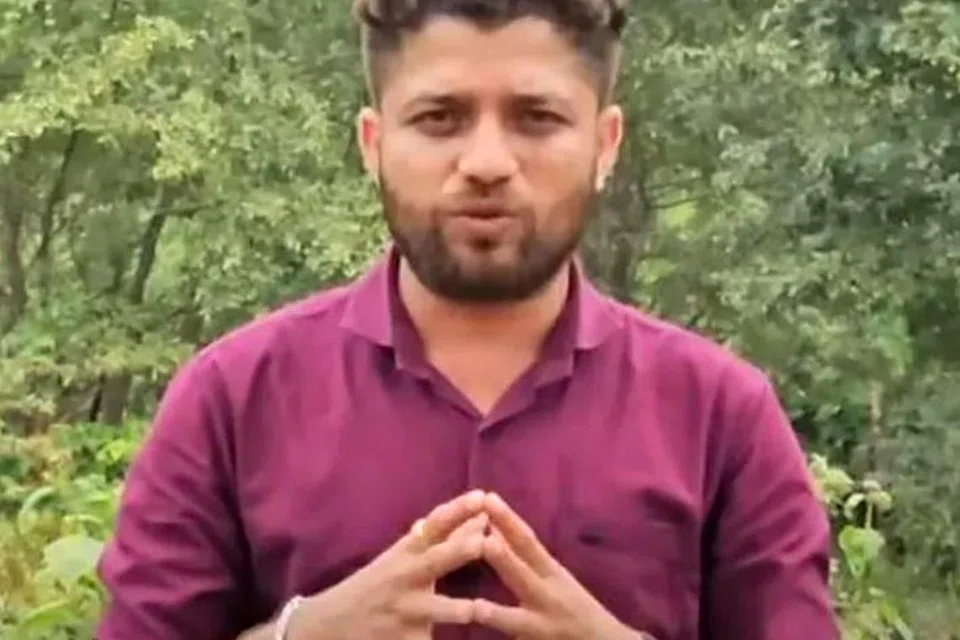
Mr Mukesh Chandrakar, 28, who ran a YouTube channel called Bastar Junction in Chhattisgarh, had been missing since Jan 1.
His reporting had uncovered alleged irregularities in a million-dollar road project in the Bastar region, a hotbed of Maoist insurgency, prompting a government inquiry.
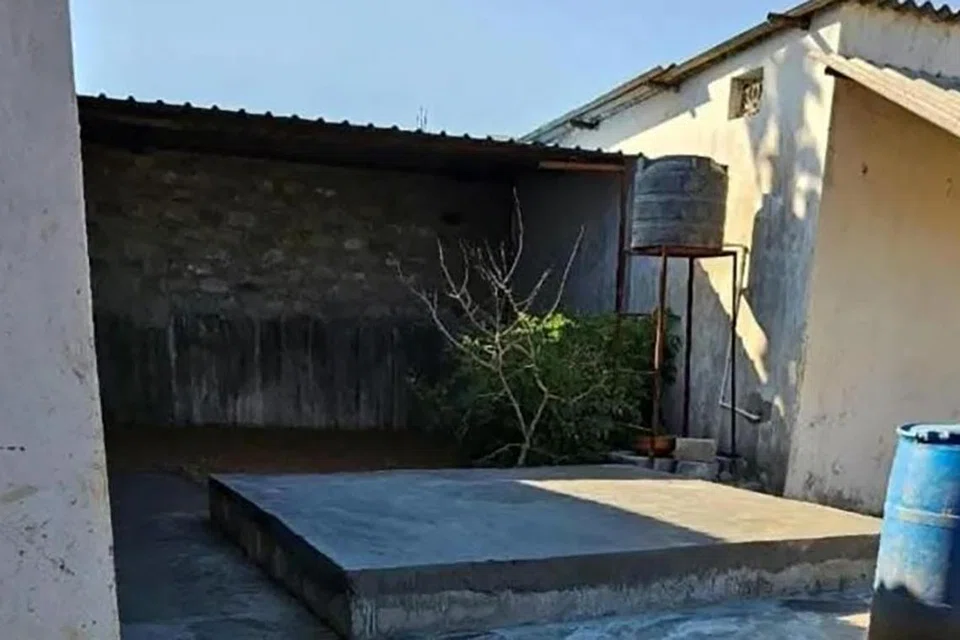
After his family raised the alarm, police found the journalist’s body at a site owned by a local contractor who had been angry at his reporting.
The Press Council of India and the Editors Guild of India have demanded a thorough inquiry, describing Chandrakar’s death as a matter of “grave concern” and urging the government to prioritise the safety of journalists, particularly those involved in field and investigative reporting.
Protests have been staged by journalists in Bijapur town demanding punishment for the perpetrators.
Police said Mr Chandrakar’s body was found on Jan 3 at a work site owned by a distant relative, Suresh Chandrakar. He was arrested, along with his brother Ritesh and two others.
According to India Today, the postmortem revealed the journalist had been brutally killed, suffering five broken ribs, 15 fractures to the head, a broken neck and having his heart ripped out.
Bastar police chief Sundarraj P told a news conference: “Our investigation revealed that Ritesh Chandrakar was related to Mukesh and the two frequently interacted. On Jan 1 at 8pm, they spoke on the phone before both went to Suresh Chandrakar’s compound in Chattanpara for dinner. An argument ensued when Ritesh accused Mukesh of interfering with their construction work.”
Ritesh and another man “then attacked Mukesh with an iron rod, placed his body in a septic tank, and sealed it”, he added.
Chhattisgarh Chief Minister Vishnu Deo Sai described the killing as a “heartbreaking” and “profound loss to journalism and society”, adding: “The culprits will face the harshest punishment.”
Deputy Chief Minister Vijay Sharma announced the formation of a special investigation team to fast-track the case.
Mr Chandrakar was previously recognised for his role in securing the release of police commando Rakeshwar Singh Manhas, who had been abducted by Maoist militants in 2021.
Chhattisgarh, rich in minerals but mired by corruption and violence, remains one of India’s most perilous regions for journalists.
People who knew Mr Chandrakar commended his bravery and resilience, with many saying he cared deeply about people and would go to great lengths to report on an important story.
His death also sparked discussions about the challenges faced by independent reporters, often working as stringers or freelancers, in states like Chhattisgarh, where employment opportunities are few.
Ms Manisha Pande, managing editor at Newslaundry, an independent news platform, told the BBC: “There are many passionate and even fearless young journalists who are the first to uncover and report stories from their regions. But as a profession, we haven’t figured out how to make journalism financially sustainable for them.”