American forces have torpedoed and sunk an Iranian warship in the Indian Ocean near Sri Lanka, a sharp escalation that brings the United States-Israel conflict with Iran uncomfortably close to India’s maritime neighbourhood while remaining outside New Delhi’s legal jurisdiction.
The Iranian frigate IRIS Dena went down on March 3 in international waters off Sri Lanka’s southern coast as it sailed home after a visit to India, where it had participated in the Milan International Fleet Review and multilateral exercises hosted from Visakhapatnam between Feb 18 and 25, reported Reuters.
Sri Lankan authorities said the vessel sent a distress signal at dawn, triggering a search-and-rescue response within Sri Lanka’s designated rescue region.
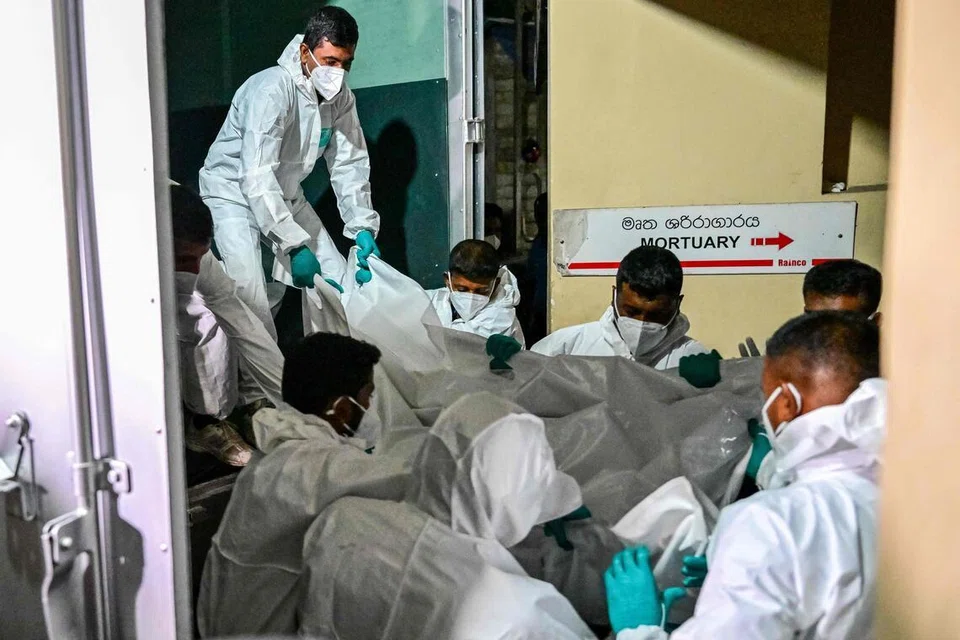
Sri Lanka’s navy rescued 32 sailors, with survivors taken to Karapitiya Hospital in Galle, officials said. The fate of the remaining crew was unclear, with different reports putting the number of personnel on board at about 180.
Sri Lankan Foreign Minister Vijitha Herath told Parliament that rescuers reached the location quickly but found no ship, only an oil patch, as aircraft and naval craft continued searching for survivors and bodies.
The US later confirmed the strike and described it as a submarine-launched torpedo attack – a rare modern use of undersea warfare. Indian and regional security watchers noted the symbolic weight of a torpedo sinking, which can break a warship’s keel and lead to rapid loss, explaining why rescuers may arrive to open sea and debris.
The incident comes as the Iran conflict widens beyond the Middle East. Israel and the US launched strikes on Iran on Feb 28, targeting senior leadership, after which Tehran retaliated with drones and missiles across a broad arc of the region.
The Dena’s sinking signals that naval assets are now being contested far from the Persian Gulf – in waters central to India’s trade, energy flows, and maritime security calculus, reported India Today.
For India, the episode is sensitive on several fronts. First, the strike occurred in what strategists often describe as India’s “strategic waters” – sea lanes and approaches that matter to India’s security – but outside India’s maritime jurisdiction, limiting any direct legal or operational leverage.
Second, the Dena had just visited an Indian port and participated in an Indian-hosted naval event, raising inevitable political questions at home about optics and neighbourhood influence.
Former Indian Navy chief Admiral Arun Prakash (Retd) said India should convey “deep concern and displeasure” that maritime warfare has been brought to its doorstep.
He wrote on X: “Sinking of Iranian warship, off southern tip of Sri Lanka, with heavy loss of life is a senseless & inflammatory act. Initiating another dimension of violence in this open-ended conflict will spread alarm across the high seas and disrupt global seaborne commerce.”
Congress party leader Pawan Khera argued that an Iranian vessel returning from an India-invited fleet review being sunk near Sri Lanka raises the question of whether India is losing diplomatic space in its own neighbourhood.
Separately, Sri Lankan MP Namal Rajapaksa said the strike is a “serious concern” for the Indian Ocean region and urged transparency on whether Colombo had prior knowledge of the operation, reported NDTV.
The unfolding debate also touches India’s balancing act: maintaining long-standing civilisational and connectivity interests with Iran – including energy security and Chabahar-linked plans (long-term strategic and economic initiatives aimed at developing the Chabahar Port in southeastern Iran, specifically the Shahid Beheshti terminal, as a key transit hub to connect India with Afghanistan, Central Asia and Russia) – while deepening strategic cooperation with Washington through arrangements such as LEMOA (the Logistics Exchange Memorandum of Agreement, a foundational military pact signed between India and the United States in August 2016 which enables both militaries to access each other’s bases for refueling, supplies, and repairs, primarily focusing on joint exercises, training, and disaster relief) and the Quad’s maritime agenda.
For now, Sri Lanka says its priority is humanitarian rescue under international maritime obligations. For India, the message is starker: the Iran war has moved into the wider Indian Ocean, and “close to home” may no longer be a metaphor.