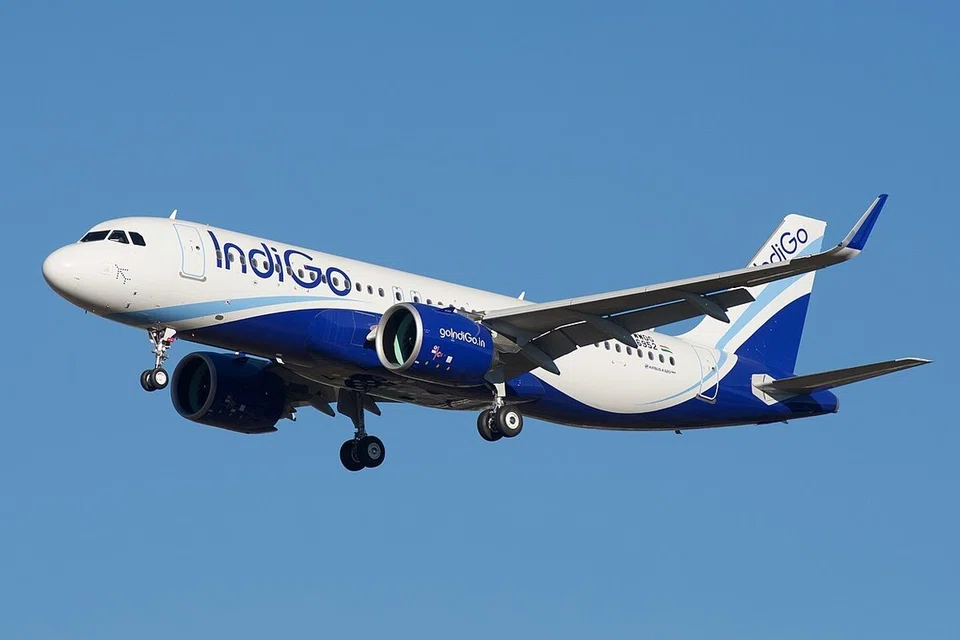

India’s largest airline, IndiGo, is grappling with widespread flight cancellations and operational chaos for the fourth consecutive day, following the implementation of new pilot duty regulations.
The ongoing disruptions have affected hundreds of thousands of passengers and prompted severe criticism from government officials, leaving airline staff scrambling to manage the fallout.
On Dec 5, IndiGo announced that it would cancel all domestic flights from New Delhi’s Indira Gandhi International Airport until midnight, as it struggles to adjust to the newly enforced flight duty time limitations.
The move, which impacted the airline’s nearly 66 per cent market share in the Indian aviation sector, was part of a broader operational breakdown caused by the introduction of stringent new rules governing pilot rest hours.
The chaos began earlier in the week, with IndiGo cancelling over 500 flights across the country. Major airports, including Delhi, Bengaluru, Mumbai, and Hyderabad, have been hit hard by the cancellations, leaving thousands of passengers stranded. At Bengaluru airport, travelers were seen protesting in the terminals, chanting, “Down with IndiGo!”
The root cause of the turmoil lies in the implementation of new pilot duty regulations that limit working hours, which came into effect on Nov 1. These rules, which were established to address safety concerns and combat pilot fatigue, restrict pilots to fewer night shifts and require longer mandatory rest periods each week.
Other Indian airlines have not had to cancel flights due to the new rules.
The timing of the regulations, which came amid the airline’s peak winter travel period, exacerbated the airline’s struggles.
IndiGo’s fleet, already facing operational bottlenecks due to high demand and weather delays, was unprepared for the regulatory changes, leading to a shortage of available crew members and widespread flight disruptions.
The Ministry of Civil Aviation (MoCA) has taken a strong stance against IndiGo’s handling of the situation. In a high-level review meeting chaired by Civil Aviation Minister Shri Kinjarapu Ram Mohan Naidu, IndiGo’s senior management was put under intense scrutiny.
The minister expressed his displeasure over how the airline managed the disruptions, stressing that ample preparatory time had been given to implement the new regulations smoothly.
Minister Naidu expressed clear displeasure regarding the manner in which the situation has been handled by the airline, and stressed that ample preparatory time had been available to ensure a seamless transition to the new regulatory requirements. He further directed IndiGo to urgently normalise operations and to ensure that there is no increase in airfares due to the current situation.
IndiGo has since acknowledged that the disruptions were primarily the result of “misjudgment and planning gaps.” The airline has promised to reduce its flight schedule beginning Dec 8 to ease the burden on operations. However, full recovery is not expected until Feb 10 with authorities granting IndiGo a temporary exemption from stricter night duty rules for pilots during this period.
Despite the temporary reprieve, industry analysts have raised concerns over IndiGo’s ability to restore normal operations quickly.
Shares of InterGlobe Aviation, the parent company of IndiGo, have also taken a hit. On Dec 5, the company’s stock fell by as much as 3.1 per cent in Mumbai, continuing a downward trajectory that has seen the stock drop 10.3 per cent this week.
India’s Ministry of Civil Aviation will continue to closely monitor the situation, with a focus on ensuring that passengers’ rights are upheld and that such a disruption does not occur again in the future.
Source references: The Straits Times, Reuters