
A high-level Indian parliamentary delegation concluded a pivotal leg of its diplomatic outreach in Singapore on Tuesday, calling for united global action against terrorism and making a strong case for India’s measured but resolute response to Pakistan-backed terror attacks.
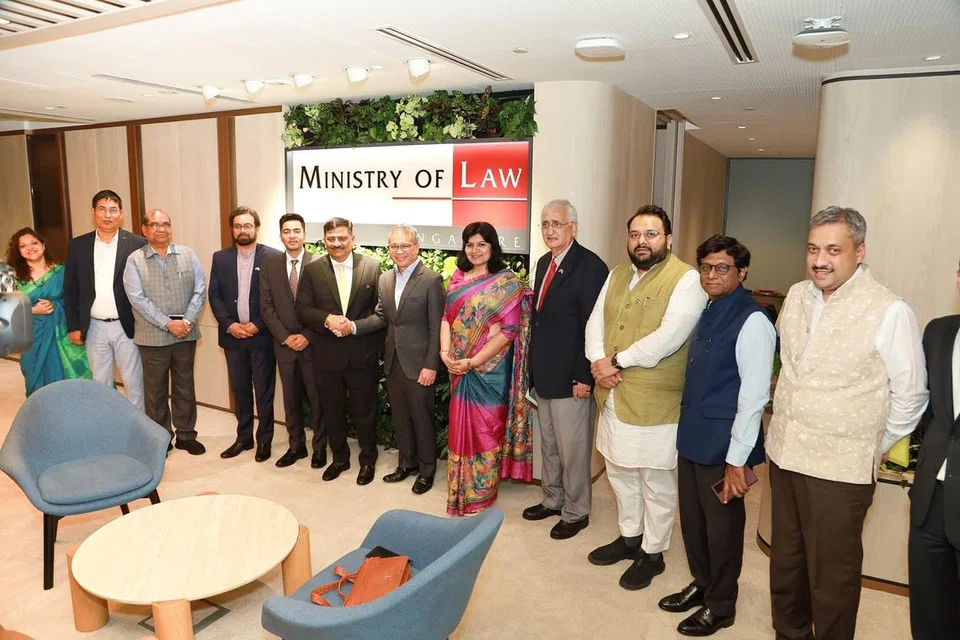
Led by Janata Dal (United) MP Sanjay Kumar Jha, the multi-party delegation – comprising lawmakers from across the political spectrum, including the Bharatiya Janata Party, Trinamool Congress, Communist Party of India (Marxist) and Congress and former diplomats – met Singaporean ministers, officials, lawmakers, business leaders, academics and the Indian diaspora during a packed visit.
Their central message: India will not tolerate terrorism, regardless of its origins or justifications, and seeks global solidarity in confronting this common threat.
The delegation presented a rare show of bipartisan unity, representing political rivals united in a shared mission. “This is not about party lines. When national security is under threat, India speaks in one voice,” said Mr Jha during a press briefing.
Their visit followed Operation Sindoor, India’s targeted military response to the April 22 terror attack in Pahalgam, Jammu and Kashmir, which left 26 dead, mostly tourists.
India holds Pakistan responsible for the attack and launched precision strikes on terror infrastructure in Pakistan and Pakistan-administered Kashmir on May 7. More than 100 militants affiliated with Jaish-e-Mohammed, Lashkar-e-Taiba and Hizbul Mujahideen were reportedly “neutralised”.
The delegation’s meetings in Singapore included sessions with Senior Minister of State for Foreign Affairs and Home Affairs Sim Ann, Minister for Law Edwin Tong and MPs Vikram Nair and Saktiandi Supaat. They also engaged with the Singapore Indian Chamber of Commerce and Industry and the Institute of South Asian Studies.
Ms Ann affirmed Singapore’s unwavering stance against terrorism, according to a High Commission of India press release. She noted in a Facebook post: “The delegation briefed me on the terror attacks in Pahalgam on April 22 and the current tensions between India and Pakistan. I shared with our visitors that Singapore maintains a strong stance against terrorism and condemns the heinous attack in Pahalgam.”
Singaporean interlocutors were briefed on India’s “new normal” in its counter-terrorism policy – marked by precision, restraint and zero tolerance. Mr Jha underlined: “India will respond decisively to any terror attack. We will not tolerate nuclear blackmail. There is no distinction between terrorists and their sponsors.”
In a candid media interaction, delegation members addressed key questions around India’s motives and strategy. Former ambassador to France and Bahrain Mohan Kumar emphasised that India’s action was not escalatory but a calibrated and proportionate response aimed at dismantling terror infrastructure – not waging war.
He dismissed concerns about nuclear escalation. “Not for a minute did we think this conflict would go nuclear,” he said, reaffirming India’s long-standing no-first-use nuclear policy.
When asked why India refrained from a broader assault, Mr Kumar replied: “We are not a war-mongering state. We acted from a position of strength, not fear. Our goal is security and economic progress – not endless conflict.”
The delegation urged Singapore and other friendly nations to extend support beyond condemnation – especially at multilateral forums such as the United Nations and the Financial Action Task Force (FATF).
They stressed the importance of disrupting terror financing and called for reform in global financial institutions to curb support to state sponsors of terror.
They also pushed back against Pakistan’s attempts to internationalise the Kashmir issue. “This is about terrorism, not territory,” former foreign minister Salman Khurshid said. “India’s response is aimed at protecting lives and restoring peace – not pursuing escalation.”
Trinamool MP Abhishek Banerjee posted on X: “Terrorism respects no borders, and the fight against it must unite us all. India stands firm: Those who perpetrate, support or justify terrorism will be held to account.”
Despite the tensions, the delegation said they encountered no investor concerns in any of the countries visited. “Japan, Korea and Singapore – all reassured us they view India as a top investment destination,” said Mr Kumar, adding that “India’s commitment to economic reforms remains firm”.
The Singapore leg was part of a five-nation tour covering Japan, South Korea, Malaysia and Indonesia, as part of India’s effort to shape global perceptions and rally support after the Pahalgam terror strike.
“This visit is just the beginning,” Mr Jha said. “The world must come together against terrorism – and India will lead by example.”
In all, seven multi-party delegations from India have been tasked by the government to visit 33 global capitals and emphasise Pakistan’s links to terrorism.