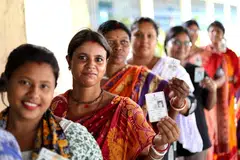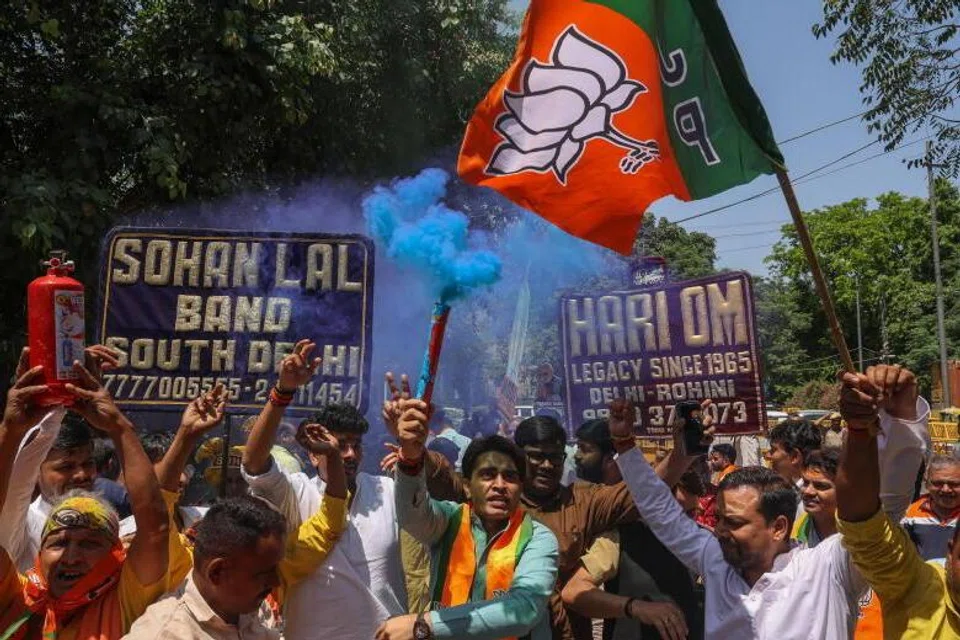

The Indian Election Commission has slowly begun releasing the results for several key states, which went to the polls in April for the 2026 Assembly Elections.
Early trends revealed an incumbent fatigue as the longstanding political parties for the states of Kerala, West Bengal and Tamil Nadu were unexpectedly eclipsed by the opposition, which are leading the votes by a large margin.
In Kerala, the Indian National Congress-led United Democratic Front’s (UDF) candidates have made significant inroads into several strongholds of the ruling Left Democratic Front (LDF).
LDF is a political alliance of leftist parties led by the Communist Part of India (Marxist), which has governed the state for the past decade and is the country’s only communist government.
Known for his firm, no-nonsense style, the incumbent Kerala Chief Minister Pinarayi Vijayan has led the state through several crises - including the Covid-19 pandemic and devastating floods - with strong government intervention, the BBC reported.
However, it is unlikely that he will return to the chief minister’s office as the latest results show that UDF has well surpassed the 71 seats needed to secure the majority stronghold.
Political anaylsts noted that Kerala’s documented history of switching governments in elections, and a strong anti-incumbency mood appears to have worked in the UDF’s favour.
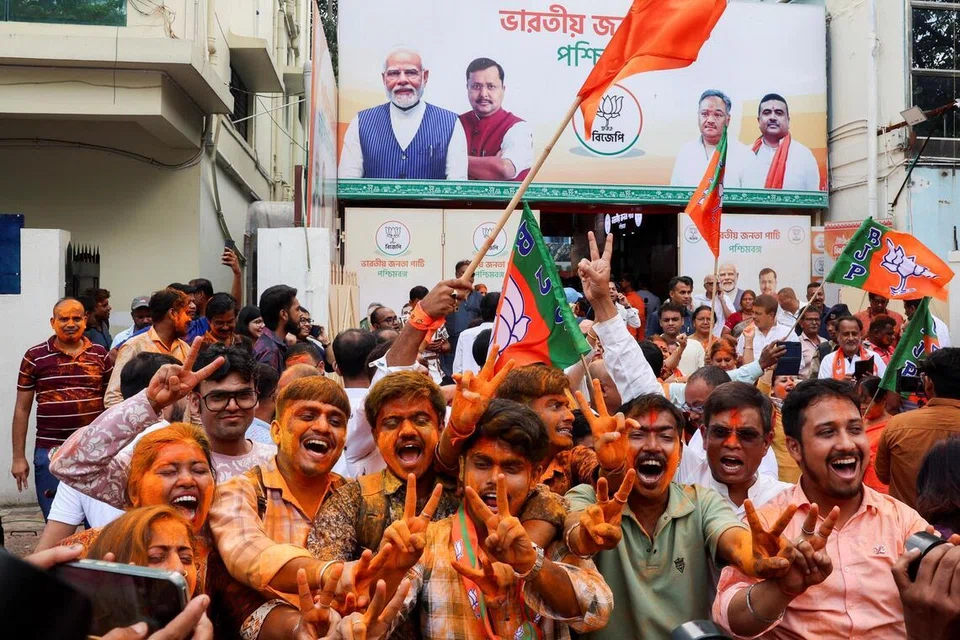
In the east, Indian Prime Minister Narenda Modi’s Bharatiya Janata Party looks well-poised to sweep West Bengal, a state where it had only three local lawmakers until 2021.
Modi, his closest aide and Home Minister Amit Shah and several senior BJP leaders have campaigned extensively in West Bengal for weeks, focusing on what they called illegal immigration from Bangladesh and the weak local economy under incumbent Chief Minister Mamata Banerjee and the All India Trinamool Congress (TMC) ruling party, Reuters reported.
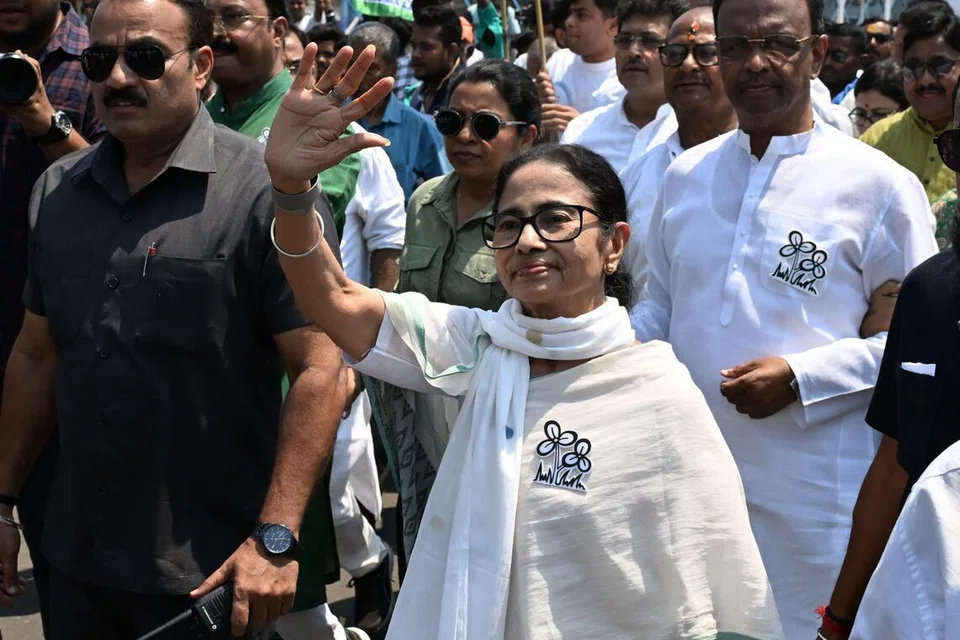
Banerjee, who has been in power in the state since 2011, is a fierce critic of Modi and a key member of the Indian National Developmental Inclusive Alliance (INDIA) opposition alliance – a coalition of over two dozen opposition parties, including the Indian National Congress.
Trends in West Bengal appear to mirror findings from a post-election survey by the Data Action Lab for Emerging Societies (DALES), which pointed to a growing urban-suburban shift towards the BJP, according to a BBC analyst.
Researchers found a clear urban-rural divide emerging in voting behaviour that hinted at a broader “urbanity effect”: frustration over governance, corruption and declining faith in welfare delivery may have eroded the TMC’s advantage among middle-class and suburban voters now visible in the counting trends.
Down in the south, Tamil film superstar C. Joseph Vijay, a first-time entrant into politics who launched his party only two years ago, looked on course to oust Tamil Nadu’s ruling Dravida Munnetra Kazhagam (DMK) party.
The actor, who goes by the mononym Vijay, has a frenzied fan following in the state, mainly Gen Z supporters and women. His Tamilaga Vettri Kazhagam (TVK) party has emerged as the single largest party - but still short of the majority mark of 118 - in Tamil Nadu, as per the current trends.
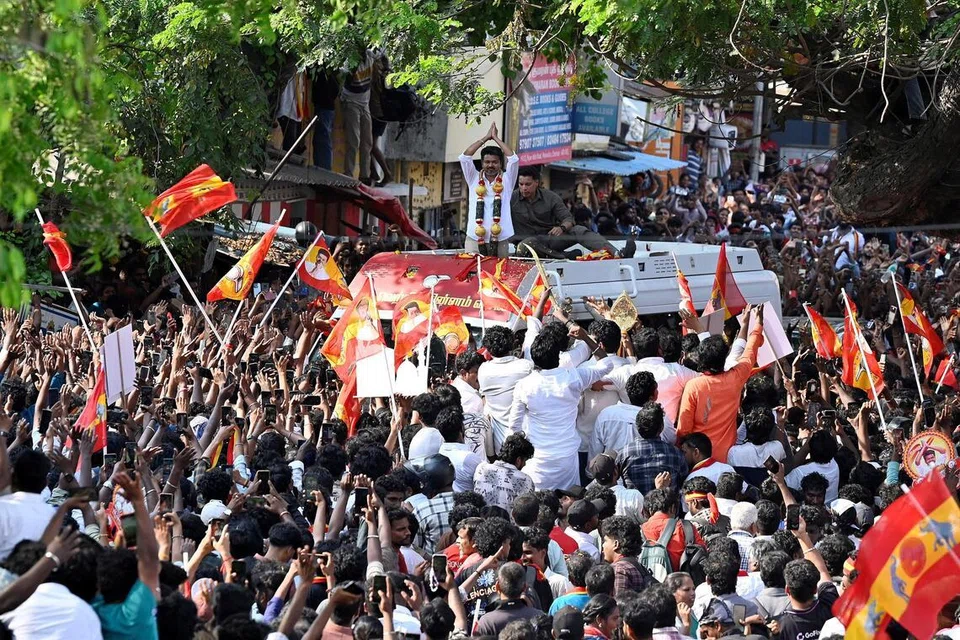
Until now, few would have predicted that the dominant political parties of the state - DMK and AIADMK - would be battling for second place in multiple constituencies. The current chief minister and leader of the DMK, MK Stalin, is himself staring at a defeat in his Kolathur constituency, the BBC reported.
Analysts posit that despite having an established party machinery, DMK and AIADMK party’s leaders failed to connect with the youth or understand their anger and frustration.
The DMK is also a vocal rival of Modi, and is part of the INDIA opposition alliance. The alliance jointly fought the 2024 Parliamentary Elections and deprived Modi of an outright majority, forcing him to rely on the support of regional parties to form a coalition government.
DMK and TMC’s respective losses in Tamil Nadu and West Bengal are expected to significantly weaken opposition to Modi in the 2029 Parliamentary Elections, where he will contest for a record fourth term in office.
Final results are expected to be clear by Monday evening but the outcome is not expected to have an immediate impact on politics or policy at the federal level, Reuters reported.