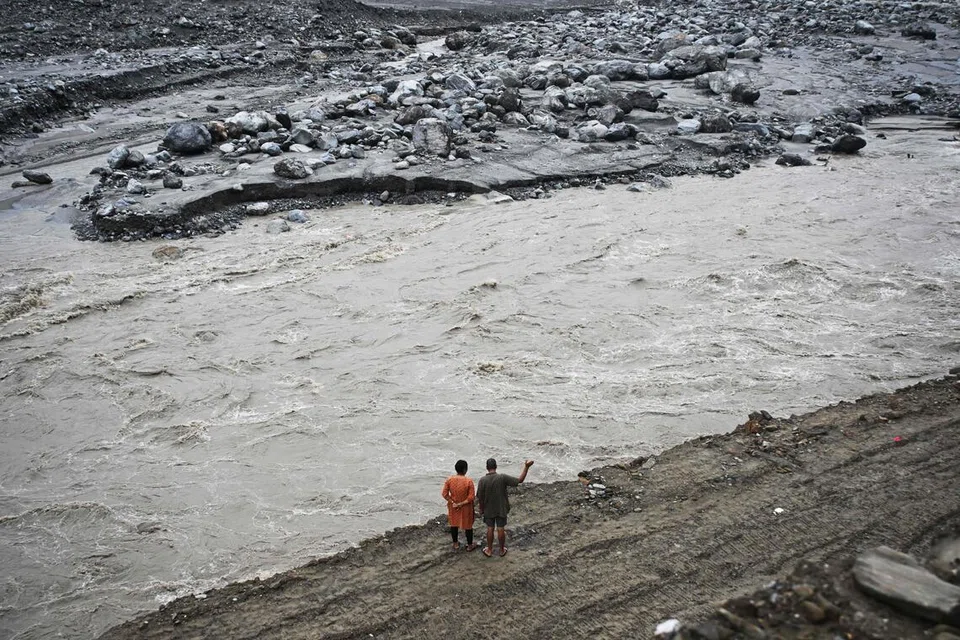
Floods and landslides caused by heavy rains have killed 56 people in India, while in Nepal, 14 have died and another 11 are missing.
Authorities warned on Sunday that more flash floods are possible.
India’s northern state of Uttar Pradesh recorded 66.5mm of rain between Sept 25 and the morning of Sept 27, compared with a normal 7.6mm for the period, Hrishikesh Bhaskar Yashod, the state’s relief commissioner, said on Sept 27.
The authorities are carrying out rescue operations in waterlogged areas and distributing relief, while officials have been told to assess crop damage and provide compensation.
In addition to the 56 deaths, 46 people have been injured and more than 1,000 houses have been damaged.
The Nepali authorities warned of possible flash floods in 49 of the country’s 77 districts, with more than half facing high flood or flash flood risks as water levels in rivers and tributaries continued to rise.
Shanti Mahat, a spokeswoman for the Nepal National Disaster Risk Reduction and Management Authority, said Rasuwa and Nuwakot – areas hit by the deadly floods in August that killed more than 1,400 people and left thousands still missing – should remain “alert” but were not currently considered high-risk areas.
Power supply has been completely disrupted in the Manang, Mustang, Myagdi and Baglung districts, with the authorities working to restore electricity, energy ministry officials said.
Flooding of the Rahuganga river damaged the structure and transmission line towers of a 40-megawatt hydropower project, Water Resources and Energy Minister Biraj Bhakta Shrestha said.
In India, the Central Water Commission said 30 river monitoring stations across seven states indicated a “severe situation”. Several major rivers were above danger levels.
Nepal’s Communications Minister Bikram Timilsina said floods and landslides also disrupted telecommunications in parts of Nepal after damage to optical fibres and power facilities.
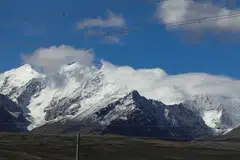
In another incident in Nepal, 10 local workers were also missing after an avalanche buried the base camp of the 7,126m Himlung Himal in northern Manang district.
The workers had been setting up tents for foreign climbers, who were not present when the avalanche struck. REUTERS