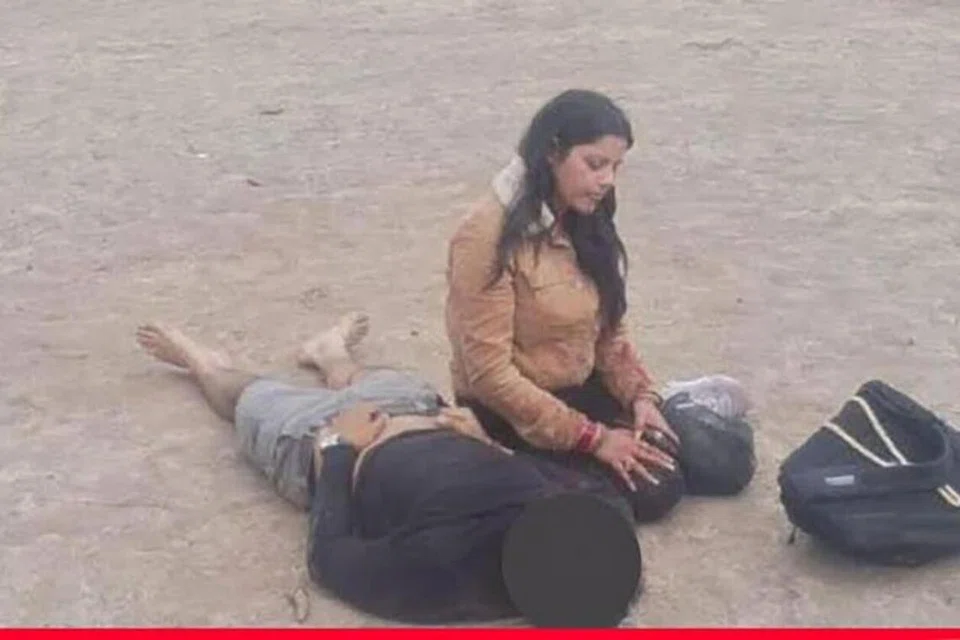

In one of the most brazen and brutal militant attacks in recent memory, 26 people – mostly tourists – were killed in Kashmir’s Baisaran Valley near Pahalgam on Tuesday, shattering the fragile calm in the Himalayan region and triggering outrage across India and beyond.
The gunmen, believed to be three heavily armed militants, stormed the lush meadow – often called the “Mini Switzerland of India” – opening fire on about 1,000 tourists enjoying the scenic site, reported Reuters. There were also about 300 local transport providers.
Eyewitnesses say the attackers appeared to deliberately target Hindu men, asking victims to recite Islamic verses before executing them point-blank.
Among the dead: a newlywed Indian naval officer on honeymoon, a pony ride operator trying to defend tourists, and families celebrating vacations that turned into nightmares.
The attack was claimed by a shadowy outfit called Kashmir Resistance, widely believed to be a front for Pakistan-based groups like Lashkar-e-Taiba – though Islamabad has denied any link, reported the BBC.
The massacre began in broad daylight, with militants fanning out across three locations in Baisaran, firing over 60 rounds.
Survivors say the attackers spared women and children, instead demanding men identify themselves and recite Islamic verses.
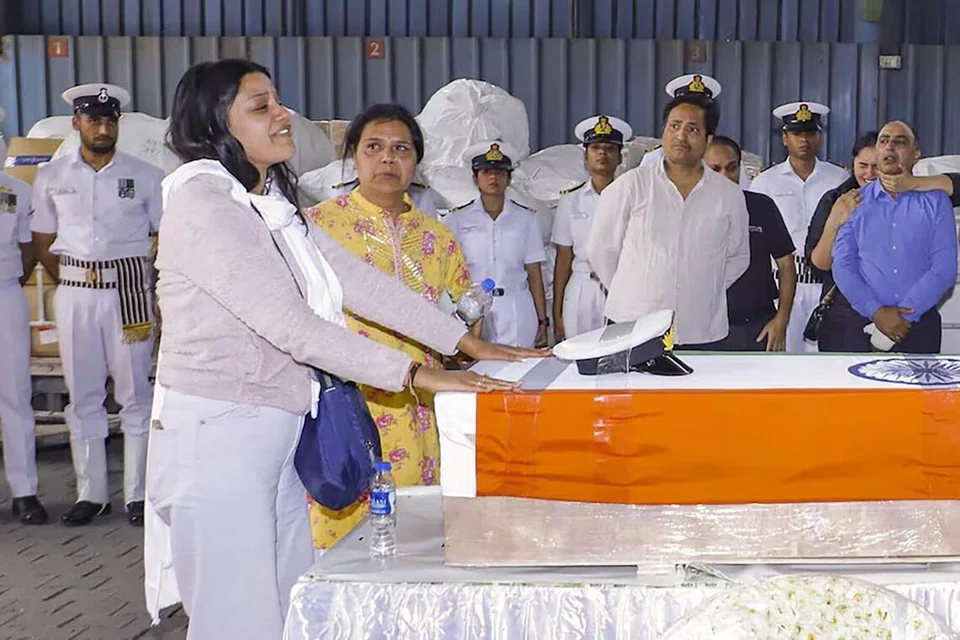
One woman, Ms Himanshi, watched her husband – naval officer Vinay Narwal – gunned down after he admitted he was not Muslim. The couple had married just days earlier.
“He was the best man,” she wept, as she bid farewell to his tricolour-draped coffin, reported NDTV.
Another victim, businessman Santosh Jagdale, was executed alongside his brother-in-law after failing to recite religious scripture. “They shot my father in the head, behind the ear, and in the back,” said his daughter Asavari, who hid in a tent.
Teacher Debasish Bhattacharyya only survived by repeating Islamic verses he had learnt growing up in a Muslim neighbourhood. “It was probably the only way to survive,” he said.
Kashmir ground to a halt on Wednesday as grief turned to fury. Shops and schools closed, while slogans like “Tourists are our lives” echoed through protest marches.
Jammu and Kashmir Chief Minister Omar Abdullah visited families of victims, confirming that one local, pony operator Adil Shah, had died while trying to stop the attackers. “He displayed immense bravery,” Mr Abdullah said.
In Pahalgam, once abuzz with tourists, an eerie silence now reigns. Airlines operated emergency flights as shaken visitors fled, reported The Times of India.
The political fallout has been swift and severe. Indian Prime Minister Narendra Modi cut short a foreign tour to hold emergency meetings.
Defence Minister Rajnath Singh warned: “Those behind this will hear our response – loud and clear.”
India has stopped short of directly accusing Pakistan but has downgraded diplomatic ties.
Measures announced include: Suspension of the Indus Waters Treaty – a crucial water-sharing pact; closure of the only open land border crossing; expulsion of Pakistani defence advisers and reduction of embassy staff; cancellation of special visas for Pakistanis, with a 48-hour deadline to leave India.
“India will be unrelenting in the pursuit of those who have committed or enabled terror,” said Foreign Secretary Vikram Misri.
Pakistan’s Foreign Ministry expressed concern but denied involvement. Prime Minister Shehbaz Sharif has called for a high-level national security meeting in response, reported Reuters.
The attack, which left 17 others injured and killed one Nepali citizen, is being described as the deadliest assault on civilians in India since the 2008 Mumbai attacks.
Its symbolism is potent – targeting civilians in one of Kashmir’s most popular tourist hubs, and shattering the Modi government’s narrative of restored peace since revoking the region’s special status in 2019.
India now faces tough choices. A cross-border strike, as seen in past retaliations, could escalate tensions between two nuclear-armed nations.
Yet public anger and political pressure are surging.
Families are reeling. Ms Priyadarshini, whose husband Prashant Satpathy was shot in front of their nine-year-old son, described the moment of horror: “He had just finished a zipline ride. A bullet hit him in the head. He collapsed before my eyes.”
Mr J.S. Chandramouli, a retired banker, was found dead hours later, separated from his family. Ms Pallavi, whose husband was also killed, said the attacker told her, “Go tell Modi,” after sparing her life.
In Maharashtra, the deaths of three cousins – Atul Mone, Sanjay Lele and Hemant Joshi – have left a family shattered.
Mr Hawa Singh Narwal, grandfather of slain naval officer Vinay, said: “I am full of rage and grief. If this doesn’t stop, tomorrow someone else will lose their child.”
Security forces have launched a massive manhunt. Sketches of three suspects have been released, and forested areas near Pahalgam are being combed.
But for the people of Kashmir – especially those whose livelihoods depend on tourism – the fear is palpable.
“This is an attack on all of us,” said protester Imran Khan in Srinagar. “Tourists are our hope, our lifeline.”