The historical narratives about Tamil Nadu are a beautiful blend of literature, politics and cultural life, which are integral to understanding its identity. But often overlooked by most writers is a description of the land, who the people were and how they lived.
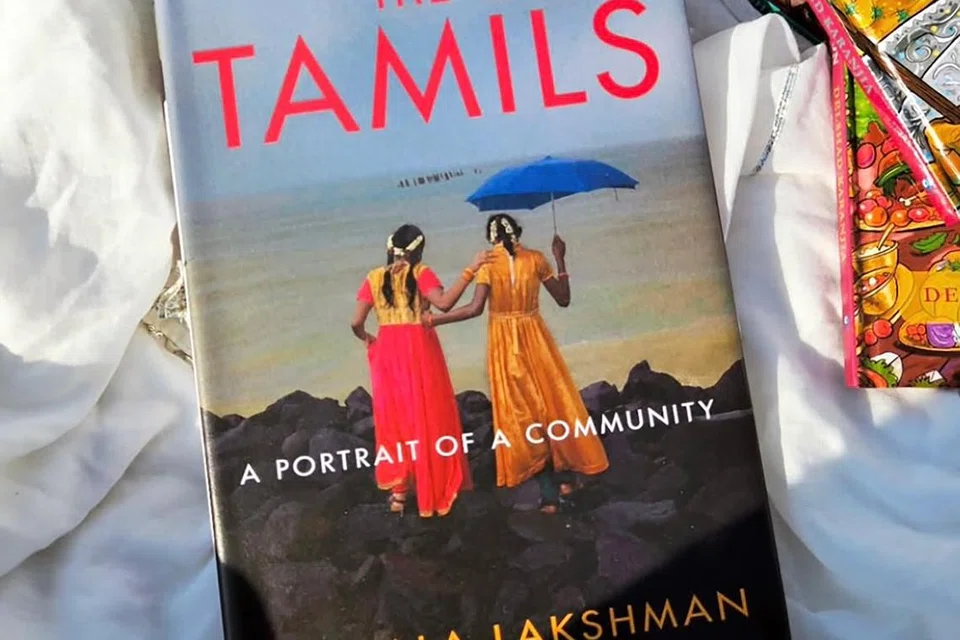
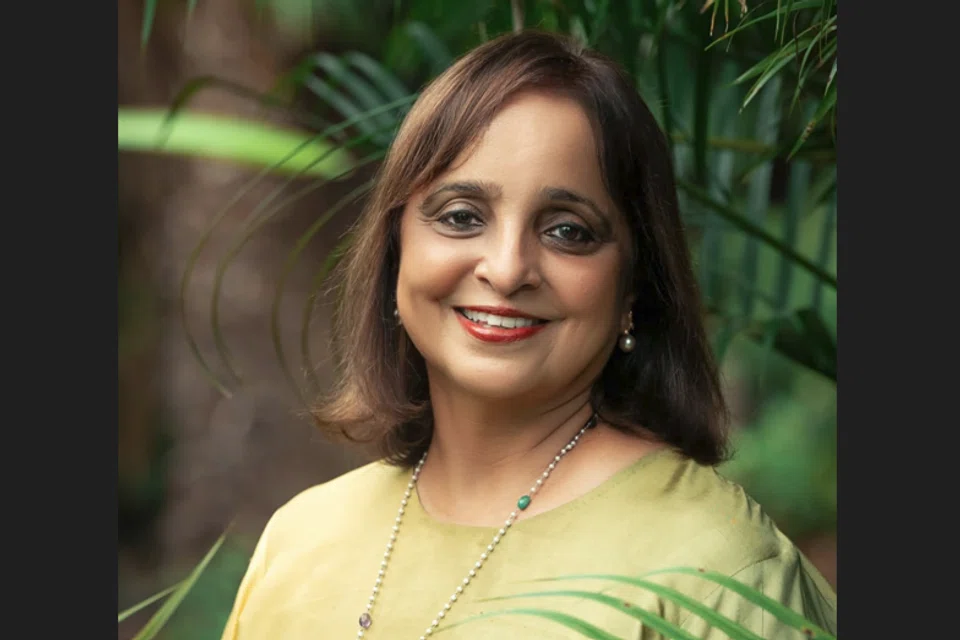
Noted Indian journalist Nirmala Lakshman’s new book The Tamils, A Portrait of a Community, takes a chronological approach to the antiquity of the Tamil culture. But it does not focus on the wars and conquests. It takes points from new excavations and her own research to portray a community who have preserved a distinct cultural heritage while evolving across time and geographies.
“As you know, there is a lot that is lost in myth and legend,” Ms Nirmala, who is the publisher and chairperson of The Hindu Group of Publications, told tabla! “It is difficult to verify all the details down the ages. The early communities may not have even spoken Tamil. So, I took a realistic time frame to do my research – from 4,000 years before Christ right up to the present.
“This book is about ordinary people and their sentiments. It looks at how Tamil culture has endured even as it has evolved and mutated over centuries.”
A people of immense resilience, intellect and creativity, the 90 million Tamils continue to leave an indelible mark on the world. Their origins are from today’s Tamil Nadu, which largely corresponds to ancient Tamilakam and is bound by the mountain ranges of the Western Ghats and the Bay of Bengal, with tracts of dry red earth, green paddy fields and pebbled riverbeds in between.
The Tamils, A Portrait of a Community, traces the remarkable journey of the people of this land, highlighting the influential role of dynasties like the Pallavas, Pandyas, Cholas and Cheras and the thriving Jain community of that time.
It also examines the evolution and spread of Tamil culture through the centuries, the coming of the British, the freedom struggle and the Non-Brahmin movement, before describing the distinctive attributes of the Tamils in the modern era, especially the changes that are taking place in the 21st century.
“To do this book which covers different ages, I knew I didn’t have a historian’s depth of knowledge to pick and choose subjects,” said Ms Nirmala, who was previously the joint editor of The Hindu newspaper. “So, after consultation with my publisher David Davidar, I did what a journalist does best – provide a flowing narrative. The Tamil communities are vast and enriching. So I went with verifiable details of the antiquity of the Tamil culture, and bring it up to the present day.”
Including the Covid years, it took Ms Nirmala about four and a half years to produce the book.
“Initially, when David broached the subject, I realised I knew very little about the Tamils, though I’m of Tamil origin,” said Ms Nirmala. “A retired colleague, who has a passion for ancient Tamil history, introduced me to a host of Tamil epigraphists and historians. So I started by actually meeting them and doing site visits. Alongside, I did a lot of reading.”
To the ordinary reader, the book is appealing, because it’s not very academic. But one drawback is that it doesn’t look at the Tamil diaspora, especially how the Tamils, who number about 400,000 now, arrived in Singapore.
Tamils mostly live in South India, but can be found in almost all countries – especially in Sri Lanka, Malaysia, Singapore, Canada, the United Kingdom and the United States.
“This is a very big miss in the book,” admitted Ms Nirmala. “I’m hoping I will have the opportunity to write about the overseas Tamils, because I think they have contributed greatly to their own societies.
“Tamils in Singapore have done a lot for Singapore society. They have served all aspects. It’s also interesting that they have retained some aspects of Tamil culture, and adapted themselves to the local environment.
“The diaspora aspect deserves a whole book on its own.”