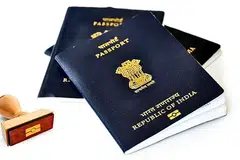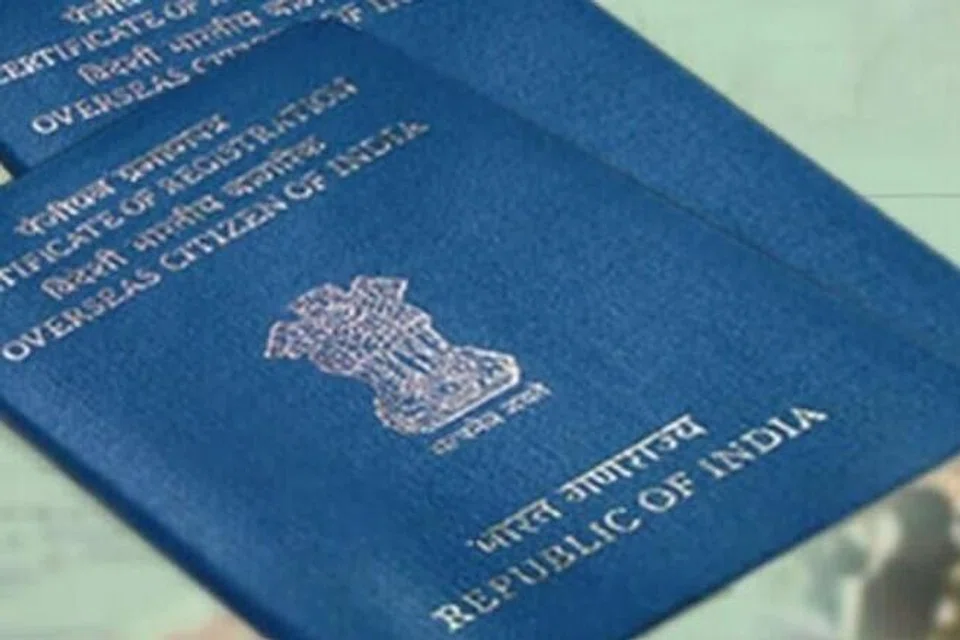
India has rolled out a fully digital Electronic Overseas Citizen of India (e-OCI) card, introducing sweeping reforms to simplify services for millions of overseas Indians, including ending the requirement to reissue OCI booklets each time a new passport is issued after the age of 20 and 50.
According to the Financial Express, Union Home Minister and Minister of Cooperation Amit Shah launched the e-OCI card in New Delhi on June 30 as part of the Ministry of Home Affairs’ efforts to modernise governance through technology and improve service delivery for the Indian diaspora.
The e-OCI system enables applicants to complete the entire process online, from submitting applications and uploading supporting documents to downloading the digitally generated card once approved. Existing OCI cardholders will also be able to obtain the digital version in most cases without filing a fresh application or undergoing physical verification.
One of the biggest changes is the removal of the long-standing requirement to reissue the OCI booklet whenever a cardholder receives a new passport after turning 20. Instead, cardholders will simply need to update their passport details online, while retaining a unique OCI registration number.
The Financial Express reported that the digital system will also eliminate problems associated with lost or damaged documents, enable real-time verification by cardholders and integrate with India’s digital immigration systems for faster airport clearance. The government expects the initiative to benefit more than five million OCI cardholders worldwide while reducing paperwork, administrative costs and the risk of identity fraud.
Following the launch, the Bureau of Immigration also clarified the rights and limitations of OCI cardholders. According to the Financial Express, OCI holders are entitled to stay in India indefinitely, are exempt from registering with the Foreigners Regional Registration Office regardless of the duration of their stay, and enjoy parity with Indian citizens in domestic airfares and entry fees at national parks, wildlife sanctuaries, museums and historical monuments.
They also receive benefits similar to Non-Resident Indians (NRIs) in several areas, including eligibility to adopt Indian children through the prescribed legal process, appear for entrance examinations such as NEET and JEE, and buy or sell immovable property in India, excluding agricultural land, farmhouses and plantation property.
However, OCI status is not equivalent to dual citizenship. The Financial Express reported that OCI cardholders cannot vote, contest elections, become Members of Parliament or state legislatures, hold constitutional offices, join government services or purchase agricultural land. These political and constitutional rights remain exclusive to Indian citizens under the Citizenship Act.
Introduced in 2006 following amendments to the Citizenship Act, 1955, the OCI scheme was created to strengthen ties with the global Indian diaspora. While it grants lifelong multiple-entry visas and a range of economic, educational and financial benefits, it does not confer Indian citizenship or the political rights enjoyed by Indian nationals.