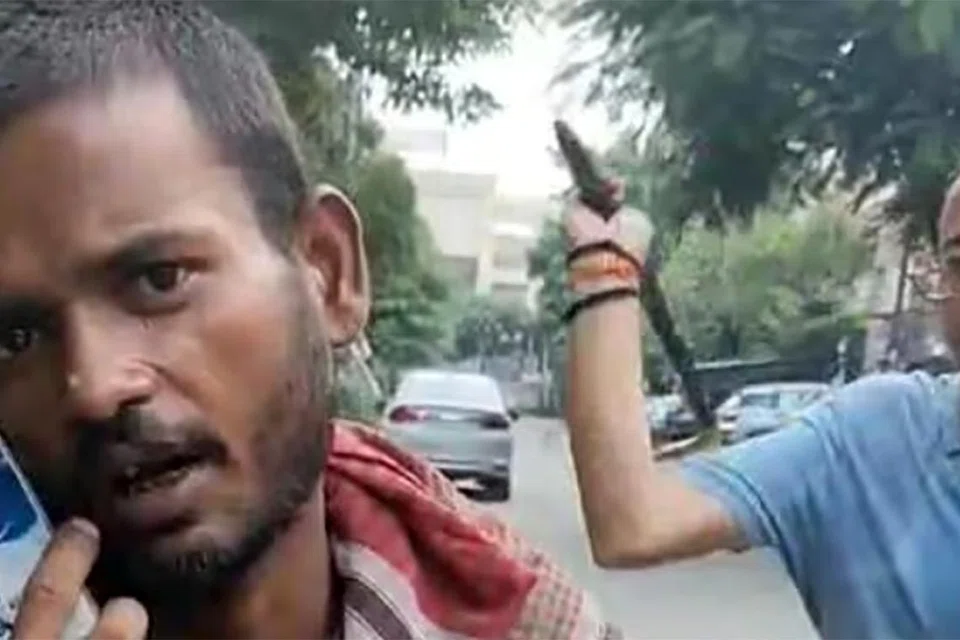
Feeding stray dogs, once seen as a quiet act of compassion, has become a flashpoint in Delhi-National Capital region (NCR), where dog feeders now report a spate of violent assaults, intimidation, and threats following a recent Supreme Court (SC) order.
Activists argue that confusion over the ruling has emboldened vigilante behaviour, leaving caregivers injured and fearful, reported the Hindustan Times.
Last week in Gurugram’s Sector 28, 29-year-old feeder Prashanto Samanpa was brutally beaten with a stick while carrying buckets of food for strays.
A video of the assault shows him being attacked while speaking on the phone. “I was beaten really hard on my back; doctors say I have a bone injury. Beyond the pain, the fear has drained me completely,” Mr Samanpa said. His attacker, he added, threatened to kill him if he continued feeding dogs in the area.
In West Delhi’s Paschim Vihar, Ms Neeti Khattar was left bloodied after a neighbour punched her in the face during an altercation over dog feeding.
“I have faced verbal insults before, but this was the worst. The physical pain and mental trauma are unbearable. Now I fear for my family’s safety,” she said.
Elsewhere, Ms Pankhuri Sharma from Laxmi Nagar alleged harassment from a police inspector after she intervened in an incident where he struck a dog. She claims the officer later tried to assault her.
The East Delhi police, however, dismissed her version of events.
The recent SC order revised earlier guidelines, directing that feeding must be done only at designated spots to be identified by municipal bodies. Until then, animal rights advocates argue, feeding is technically permitted. But the lack of clarity has led to chaos.
“There’s confusion in the order,” said animal rights activist Maneka Gandhi. “Legally, people can still feed dogs until boards are put up. But the delay by the Municipal Corporation of Delhi (MCD) in marking spaces has created dangerous misunderstandings.”
The MCD has pledged to identify feeding areas within each ward, but progress has been slow. Activists warn that until clear signage appears, vigilante action will escalate, reported the BBC.
For Faridabad resident Divya Nayak, harassment is nothing new, but she says things have worsened since the ruling. “People have surrounded me with sticks, stolen plants from my balcony, and constantly film me when I feed. The Residents’ Welfare Association has even fined me,” she said. Other feeders described how neighbours now use the court order as a weapon, misinterpreting it as a ban to justify threats. Many say they are forced to look over their shoulders each time they step out with food.
Animal welfare campaigners say the SC order’s intent was to regulate, not criminalise, feeding. “Dog feeding is not banned – it’s about creating proper feeding points,” said Ms Harjas Sethi of SaveDelhiNCR. “But with municipalities dragging their feet, feeders are being targeted.”
Meanwhile, caregivers vow not to give up. “If these attacks were meant to scare us, they’ve failed,” Ms Neeti said defiantly. “I will continue feeding them – it’s my responsibility.”
Delhi is estimated to have nearly one million stray dogs. For some residents, they are “community animals” deserving care and respect; for others, they pose a public safety risk.
With rising dog bite cases adding to tensions, the SC order has reignited the polarising debate.
Experts say the crisis highlights the urgent need for a humane yet structured policy. Animal rights groups insist that large-scale sterilisation and vaccination drives must be prioritised to control population growth and reduce aggression.
“If authorities, housing societies, and caregivers work together, we can have fewer dog bites, healthier animals, and a safer environment for everyone,” said activist Ambika Shukla.