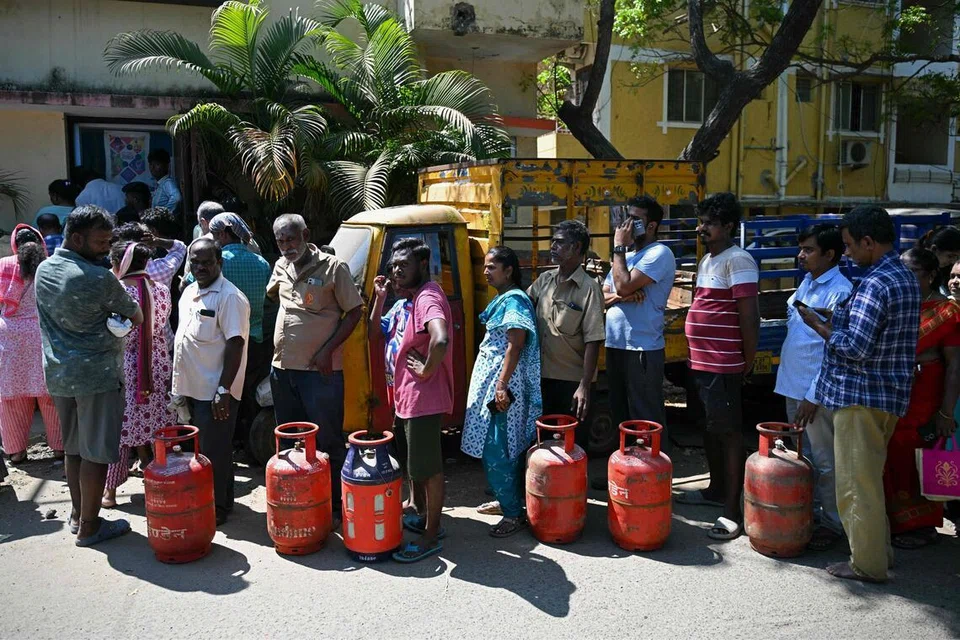
A nationwide cooking gas shortage triggered by the Middle East conflict is forcing kitchens across India to rethink menus, with hot food, tea, and fuel-intensive dishes disappearing in many canteens, hostels, and small eateries.
From roadside stalls in Noida, Uttar Pradesh, to paying guest hostels in Bengaluru, cooks are turning to simpler meals that use less liquefied petroleum gas (LPG), as supplies tighten and black-market prices soar, reported India Today.
The disruption follows the near halt in shipping traffic through the Gulf and the Strait of Hormuz amid the Iran war, hitting supplies of LPG and liquefied natural gas from the Middle East.
India is the world’s second-largest LPG importer, with imports meeting around 60 per cent of national demand, reported Reuters. Nearly 90 per cent of those imports come from West Asia.
The Central government has invoked emergency powers to divert hydrocarbon streams for LPG production, curb hoarding and prioritise household supply.
Officials said these steps have boosted domestic LPG output by 25 per cent. But, on the ground, restaurants, hostels, industries and even homes are reporting delays, long queues and rising panic.
In many places, the first visible sign of the crisis is on the menu.
An automobile parts factory in Gujarat has trimmed fried food from its workers’ canteen, replaced tea with lemon water, and swapped hot soup for buttermilk and curd, reported The Economic Times.
In Tamil Nadu, a hostelers’ association has advised members to stop making tea, coffee, and flatbreads for the time being. In Bengaluru, Paying Guest (PG) owners have been urged to conserve gas by avoiding items such as thosai, chapathi, and poori.
“Our PGs have about four to five days’ worth of gas stock left, and if they cook dishes that consume less energy, they may be able to stretch a cylinder for another two days,” said Mr Arunkumar DT, president of the Bengaluru PG Owners Welfare Association.
In New Delhi, even institutional kitchens have been affected. One roadside eatery put up a note saying it was serving only rice and lentils, while the Delhi High Court canteen stopped hot meals and offered only sandwiches.
Across cities such as Noida, Lucknow, Delhi, and Bhubaneswar, long queues have formed outside gas agencies and godowns. Online booking systems have also been hit by glitches, worsening consumer anxiety.
The strain is especially severe in the commercial sector. Hotels, dhabas, and food carts say cylinders are either unavailable or prohibitively expensive.
In Noida, some vendors said the price of a cylinder bought on the black market had jumped from about Rs1,000 (Rs13.80) to as much as Rs2,300 or Rs3,000.
That has led to price hikes and even temporary closures. Snack sellers have raised prices, dhabas have stopped making rotis and parathas, and some eateries are relying only on wood-fired tandoors. Others are considering coal, firewood, or electric alternatives.
Analysts say the impact could soon spread further. Restaurants may be forced to reduce capacity, and food delivery platforms could see fewer orders as outlets scale back operations. Some consumers may shift to quick-service chains that depend more on electric ovens and fryers.
The wider economic fallout is already being felt. A labour union has warned that the LPG crunch has cut delivery gigs by 50 to 60 per cent in several cities, affecting thousands of platform workers.
The government has urged people not to panic or hoard, insisting supplies are being managed and alternative cargoes are being secured, Reuters reported. But, with the crisis reviving memories of the COVID lockdown for many, the uncertainty around how long the shortage will last continues to weigh heavily on households and businesses alike.