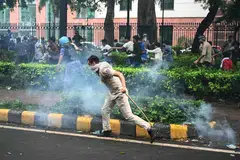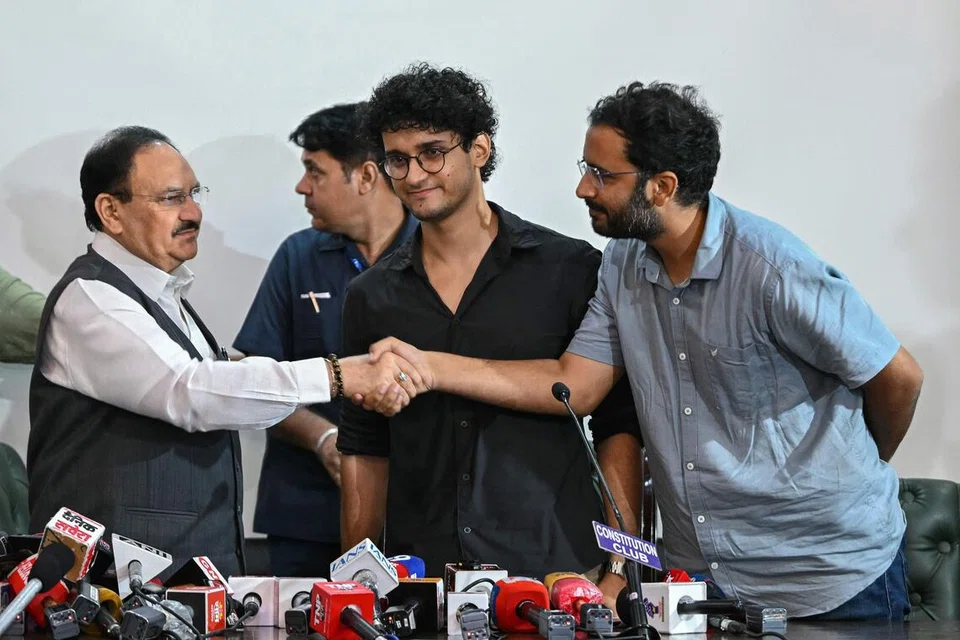
What began as student outrage over a leaked medical entrance examination has evolved into one of the biggest political challenges of Prime Minister Narendra Modi’s 12-year tenure. Although the immediate protests have subsided following the resignation of Education Minister Dharmendra Pradhan, the youth-led “Cockroach” movement has entered a new and potentially more significant phase.
The movement scored a rare victory when Mr Pradhan resigned after weeks of nationwide demonstrations triggered by the cancellation of the National Eligibility cum Entrance Test (NEET), which had to be re-conducted after question papers were leaked.
Reuters reported that the scandal affected around two million candidates and was linked to more than a dozen student suicides, prompting widespread calls for accountability.
According to CNN, Mr Pradhan’s resignation represented an unusual retreat for the Bharatiya Janata Party (BJP), whose government has successfully weathered several major protest movements over the past decade. Unlike earlier agitations centred on ideological issues such as citizenship laws or farm reforms, this movement stemmed from what political analysts described as an administrative failure that directly affected millions of young Indians and their families.
The movement’s unusual name also reflects its distinctive character. Protesters embraced the label “Cockroach” after unemployed youth were allegedly compared to cockroaches, turning the insult into a symbol of solidarity.
Driven largely by Generation Z, the movement used memes, satire, Instagram reels and humour to mobilise supporters, while broadening its demands beyond exam reforms to include concerns over youth unemployment, corruption and shrinking opportunities.
Yet, the government’s response has been two-pronged. On one hand, it has moved swiftly to address concerns over India’s examination system. Reuters reported that Modi’s administration has proposed tougher anti-paper leak laws, including increasing minimum prison sentences from three to five years, raising fines five-fold and doubling bans on guilty firms.
A high-powered panel led by Infosys co-founder Nandan Nilekani has also been tasked with overhauling public examinations, with greater use of technology expected.
On the other hand, the crackdown on protesters has intensified. Al Jazeera reported that, although several states have begun withdrawing cases against demonstrators and the Supreme Court ordered the release of arrested minors, student leaders allege that police have continued filing cases, monitoring social media activity and using surveillance technology against activists.
The Supreme Court has ordered an independent investigation into allegations of excessive force and directed authorities to preserve drone, CCTV and body-camera footage.
The controversy has also highlighted a deeper debate over whether technology alone can restore public trust. The BBC reported that, while computer-based testing could reduce opportunities for paper leaks, experts caution that corruption often begins before examinations are printed.
They argue that stronger governance, greater accountability, trusted question setters and comprehensive institutional reforms are just as important as digitising examinations.
The political implications extend beyond education. India has more than 360 million people aged between 15 and 29, many of whom face rising unemployment despite the country’s rapid economic growth.
CNN noted that nearly 40 per cent of graduates aged 25 and below are unemployed, making the examination scandal a catalyst for broader frustration over limited opportunities.
For now, the streets around New Delhi’s Jantar Mantar have fallen quiet. But protest leaders insist the movement is only paused, not over.
Whether the “Cockroach” protests become a turning point in Indian politics will depend not only on promised education reforms, but also on whether the government can rebuild the trust of a generation that believes its future has been compromised.