



Among the different ethnic groups in the world, South Asians appear more susceptible to diabetes.
According to Diabetes.co.uk, the likelihood of developing type 2 diabetes is as much as six times higher in South Asians than in Europeans, with a number of factors – mostly linked to lifestyle – believed to be behind the increased risk.
But not many look at the role British colonialism has played in this development.
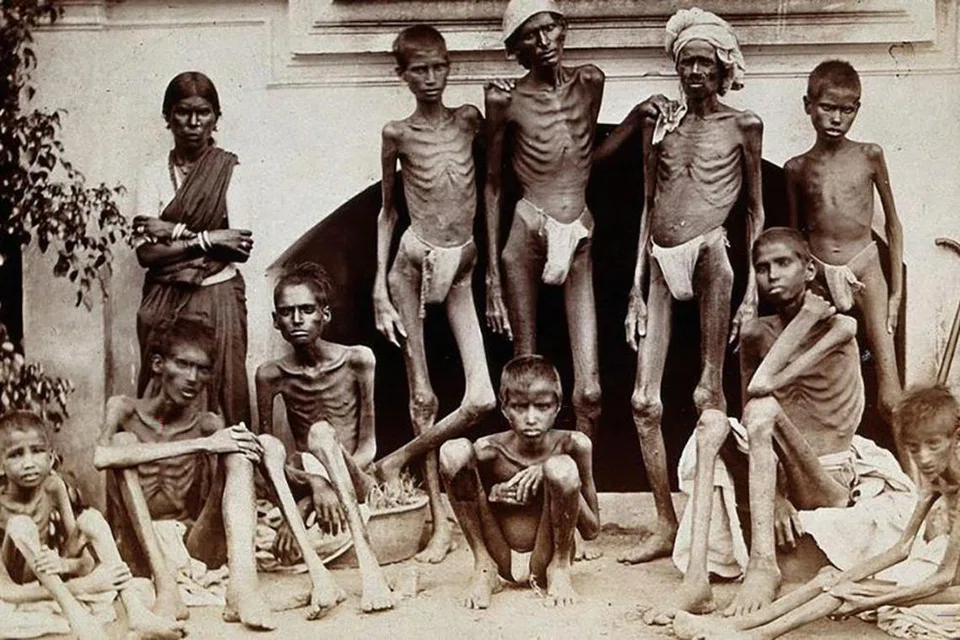
The Indian subcontinent was subject to many famines from the 18th to 20th centuries, with particularly severe ones occurring under British rule. The raising of taxes, policy failures, resources being deployed to the military and droughts resulted in the deaths of millions.
In 1943, West Bengal saw the worst of it all, a famine in which up to three million people died of malnutrition. Though the “great famine” in Bengal happened 80 years ago, it has affected subsequent generations, scientists say.
Dr Mubin Syed, a 56-year-old radiologist from Ohio in the Unites States, who also works in vascular and obesity medicine, made this link last year and shared it online.
He explained in his video that South Asians have a tendency to generate and store fat, and not burn it off, with low lean muscle mass, because they are “starvation-adapted”.
Even though the British no longer occupy South Asia, their tepid response to the needs of the local people during long periods of famine continue to have a tangible impact on their health today. Many of the long-term health effects can be explained through the Thrifty Gene Hypothesis, which suggests people were able to better survive famine due to their increased capacity for fat storage.
Today, populations who adapted to carry these genes, which would aid their survival during periods of famine, are more likely to experience obesity, type 2 diabetes and heart disease.
Surviving just one famine doubles the risk of diabetes and obesity in the next generation, according to a study by Brown University in the US. The risk of cardiovascular disease increases 2.7 times for their grandchildren.
Dr Syed told HuffPost UK: “Exposure to even one famine has a multi-generational effect of causing metabolic disorders including diabetes, hyperglycaemia and cardiovascular diseases. Imagine having an exposure to at least 24 major famines in a 50-year period.
“In the modern era of abundance, it becomes an evolutionary mismatch. Our adaptation to scarce food availability is no longer suitable for our environment of food abundance. Storing nutrients was an evolutionary response to famine, but now, where scarcity is no longer a problem, it creates a conflict, heightening our risk of certain health conditions.
“Genetics is one issue, but of course, lifestyle is always important. South Asians have to exercise twice as much as Caucasians to get the same health benefits,” said Dr Syed, adding that it does not mean ill health is inevitable for them.
“It’s not a doom and gloom scenario. The risks are avoidable, we just have to pay closer attention to diet, exercise/fitness, sleep, stress and other (factors).”
Indo-Asian News Service
