
The Rajasthan government has launched a unique and controversial initiative aimed at reshaping how children are identified in schools – starting with their names.
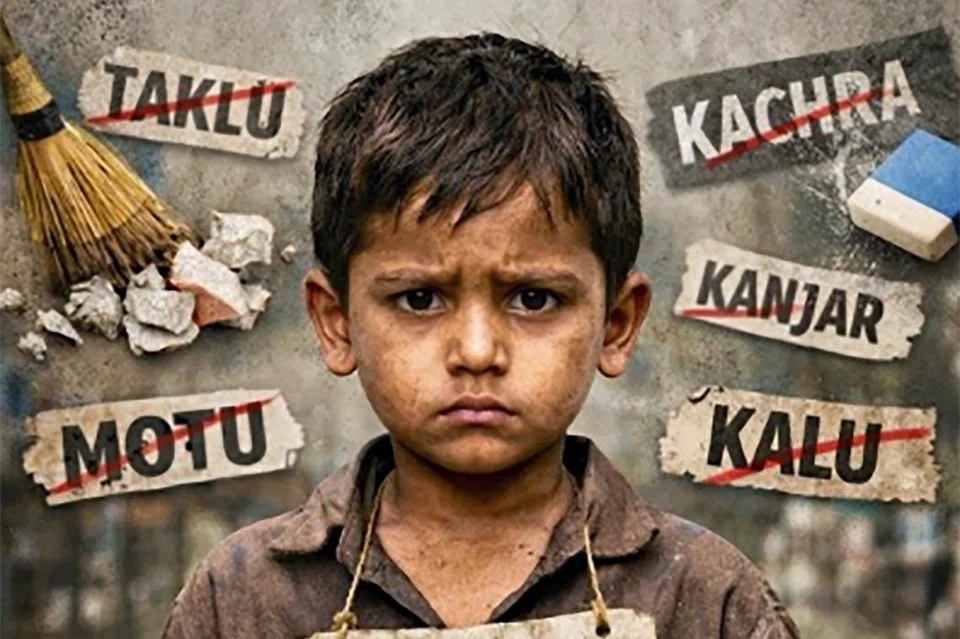
Under the “Saarthak Naam Abhiyan” (Meaningful Names Campaign), the state is encouraging the renaming of school students whose names are considered unclear, inappropriate or carrying negative connotations, reported the Hindustan Times.
The move, officials say, is intended to boost children’s confidence and strengthen their sense of identity.
Announcing the initiative, state Education Minister Madan Dilawar said names such as “Sheru”, “Shaitan”, “Kalu”, “Tinku” and “Bablu” may be reconsidered in consultation with parents. “Sometimes parents choose names without being aware of their meanings… later children may develop a sense of inferiority because of them,” he said.
The education department has prepared a list of nearly 3,000 suggested alternatives – 1,409 for boys and 1,541 for girls – each accompanied by meanings.
Names such as Abheer, Agnibha, Balmukund, Badrinath, Aradhya, Annapurna, and Vaishnavi feature prominently, reflecting what officials describe as culturally rooted and meaningful choices.
The campaign will cover students from Classes 1 to 9 across government and private schools. Schools have been directed to raise the issue during parent-teacher meetings, where parents can voluntarily opt for a name change. Officials estimate that around 3,000 students may fall under the category of names flagged for review.
Importantly, the government has stressed that the process is not mandatory. Any change will require written consent from parents, and provisions have been made to update names in existing academic records, including mark sheets, where necessary.
Officials argue that names play a crucial role in shaping a child’s personality and social identity. “Negative or flawed names can adversely impact mental development and confidence,” Mr Dilawar said, adding that the initiative also seeks to eliminate caste-based or derogatory terms from official records.
Teachers’ bodies have begun preliminary discussions with parents. “We are engaging with families sensitively and will proceed based on their consent,” said Mr Vipin Sharma, president of the Rajasthan School Teachers Association.
However, the initiative has triggered a wider debate beyond classrooms, reported The Times of India.
Critics, including sociologist Rajiv Gupta, have questioned both the intent and implementation of the campaign. Mr Gupta argued that the government’s list lacks diversity, with limited representation of names from non-Hindu communities such as Muslim, Christian, Jain and Buddhist traditions.
He also pointed out the absence of simpler, nature-inspired names.
“This raises concerns about individual autonomy and freedom of choice,” Mr Gupta said, adding that families already have legal avenues to change names if they wish. “Why should anyone be encouraged to choose from a state-prescribed list?”
The opposition Congress has also criticised the move, alleging it could be an attempt to “saffronise” education by promoting a specific cultural framework. The controversy has, in turn, sparked a broader conversation on the extent to which the state should intervene in personal and cultural decisions.
Supporters of the campaign, however, argue that it addresses a genuine social concern. Many children with colloquial or nickname-based identities, they say, face embarrassment or stigma as they grow older, particularly in formal settings.
As the campaign rolls out across schools, it sits at the intersection of identity, culture and governance – raising a fundamental question: where should the line be drawn between guidance and intrusion when it comes to something as personal as a name?