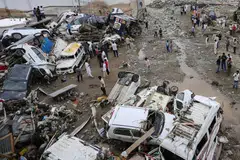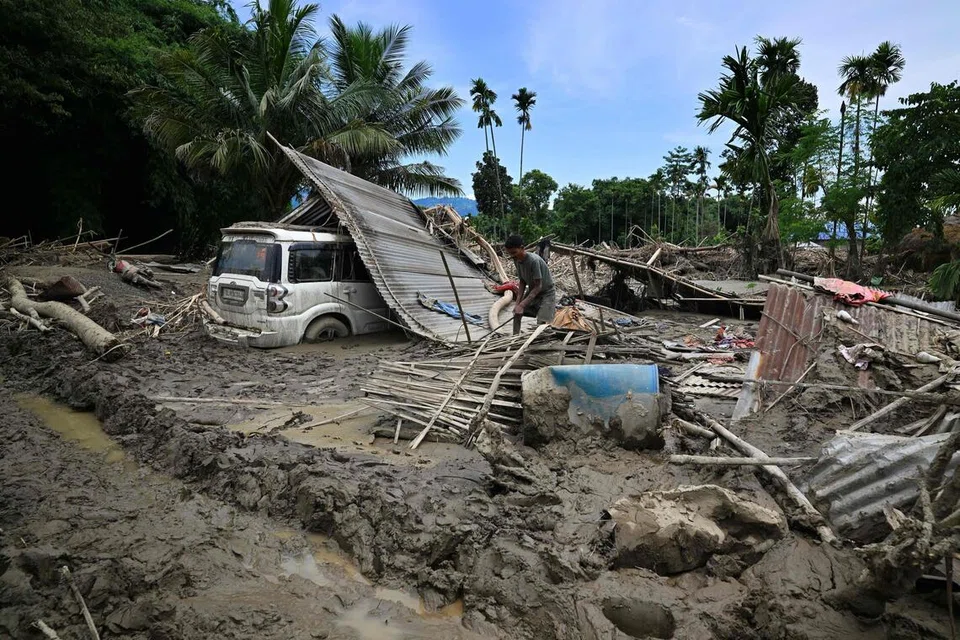

The flood situation in Assam remained critical on July 30, with the death toll rising to 78 and more than 300,000 people affected across seven districts as rescue and relief operations continued in some of the state’s worst-hit areas.
Authorities are stepping up aid distribution while experts warn that this year’s floods have been intensified not only by extreme rainfall but also by years of environmental degradation and ageing flood-control infrastructure, reported NDTV.
According to the Assam State Disaster Management Authority, floods have inundated 551 villages across 21 Revenue Circles in Sivasagar, Charaideo, Golaghat, Jorhat, Nagaon, Biswanath and Kamrup (Metro), affecting 300,031 people.
More than 21,500 hectares of farmland have been damaged, while three more flood-related deaths were reported in the latest update.
Although heavy monsoon rains triggered the flooding, researchers say several long-term factors have magnified its impact, reported The Indian Express.
Excessive rainfall over neighbouring Nagaland and Upper Assam caused rivers to rise at an unprecedented pace, with some districts recording rainfall more than 400 per cent above normal.
Climate change is also increasing the frequency of intense downpours, leaving little time for rivers to absorb the sudden surge of water.
Experts point to widespread deforestation, hill excavation and illegal mining as major contributors. Soil washed into the Brahmaputra and its tributaries has raised riverbeds through heavy siltation, reducing their capacity to carry floodwaters.
Environmentalists also blame ageing embankments, encroachment on wetlands and poorly maintained drainage systems, which trap water in villages and agricultural land after rivers overflow.
The state government has intensified relief efforts as thousands remain displaced, reported NDTV.
Assam ministers have flagged off 30 truckloads of food, clothing and essential supplies to the worst-hit districts, while Chief Minister Himanta Biswa Sarma’s government is providing immediate financial assistance of Rs15,000 (S$202) to each affected family.
Relief camps, rescue boats and emergency personnel remain deployed across flood-hit areas.
Looking beyond the immediate crisis, the government is also focusing on rehabilitation and long-term flood mitigation.
Planned measures include strengthening ageing embankments, expanding river dredging, improving drainage systems, increasing afforestation in vulnerable catchments and deploying more advanced satellite-based forecasting and early-warning systems.
Experts say better coordination of dam water releases and real-time monitoring will also be essential if Assam is to reduce the impact of increasingly frequent extreme floods in the years ahead.