
As India, which celebrates its 79th Independence Day today, continues on its fast-paced human-centric developmental journey to become a developed country by 2047, it has much to be proud about. The past decade has been exceptional across the national and strategic spectrum.
Prime Minister Narendra Modi’s call to dispense with the slavish mentality and rise and shine with the mantra of reform, perform and transform has already begun to yield remarkable dividends.
Over 1,550 archaic and cumbersome laws have been repealed, and jurisprudence updated. In 2017, India’s ranking in the World Bank’s Doing Business Index was 130. It has since improved to 63rd place, resulting in a significant increase in Foreign Direct Investment.
Its innovation ecosystem has produced 1.6 million startups from a mere 500 about 10 years ago, with 118 unicorns.
From a fragile five to become the fourth-largest economy in a decade is a remarkable achievement by any standards.
According to Bloomberg, based on International Monetary Fund data, China, India, and the United States are projected to be the three global growth engines from 2025 to 2030.
India has also emerged as a key proponent of the fight against climate change and a spokesman against “Green Apartheid”. It has committed to “zero carbon” by 2070, but, by all accounts, the target may be achieved much earlier.
A monumental achievement is that 50 per cent of India’s installed electricity capacity is now attributable to non-fossil sources.
The pandemic hit the world hard. But India’s response was unique, since it was driven by the dictum of Vasudhaiva Kutumbakam – world is one family.
When powerful countries were hoarding vaccines and medicines for geopolitical ends, India not only manufactured its own but also provided billions of vaccines to over a hundred countries as part of its “Vaccine Friendship” outreach.
India is essentially an agricultural country, and farmers are the backbone of its food security. PM Modi has announced the doubling of farmers’ income through various initiatives, including the Pradhan Mantri Fasal Bima Yojana, a crop insurance scheme that integrates multiple stakeholders on a single platform.
Fighting poverty has been one of the biggest tasks that the Indian Government has undertaken. The Targeted Public Distribution System under the National Food Security Act covers over 800 million beneficiaries, providing food grains to rural and urban populations.
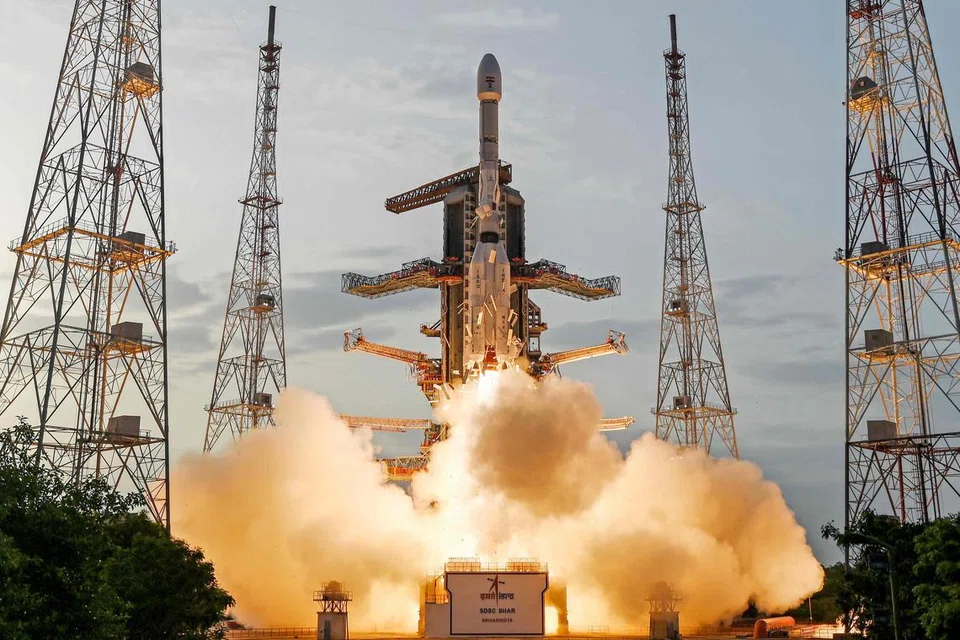
India has excelled not only in space exploration but also through its Digital Public Infrastructure and Unique Digital Identity Aadhaar – a large number of bank accounts across the country have been provided for the distribution of benefits and payments directly.
All these digital tools, and apps, and digital public goods have been made available to the world, especially the developing countries.
AI for All, One earth one health, one grid one world are not mere slogans but policy directives of a resurgent India steeped in its civilisational ethos.
In this fractured world order, India’s sane and value-based foreign policy has become robust, resilient, and result-oriented as it seeks to comprehensively enhance its own power spectrum through strategic autonomy and multi-alignments.
This was evident recently when PM Modi was invited by Prime Minister Mark Carney to the G7 Summit in Canada despite cooler ties with Canada, since he felt that it was important to have India at the table.
(Mr Anil Trigunayat is a former Indian Ambassador and a Distinguished Fellow at Vivekananda International Foundation.)