As the FIFA World Cup 2026 captivates billions worldwide, one question continues to haunt Indian football fans: Why has a country of more than 1.4 billion people never played at football’s biggest tournament?
The answer lies in a combination of missed opportunities, weak grassroots development, administrative challenges and the overwhelming dominance of cricket, reported Business Today.
India was eliminated from the 2026 World Cup qualification race after a 1-2 loss to Qatar, extending a drought that stretches back more than seven decades.
Ironically, India came closest to the World Cup in 1950. The country secured a place at the tournament in Brazil after other teams in its Asian qualifying group withdrew. However, India never made the trip.
Contrary to the popular myth that FIFA banned barefoot players, historians point to more practical reasons, including high travel costs, logistical difficulties, inadequate preparation and the All India Football Federation’s (AIFF) decision to prioritise the Olympics.
Since then, India has repeatedly fallen short in qualification campaigns.
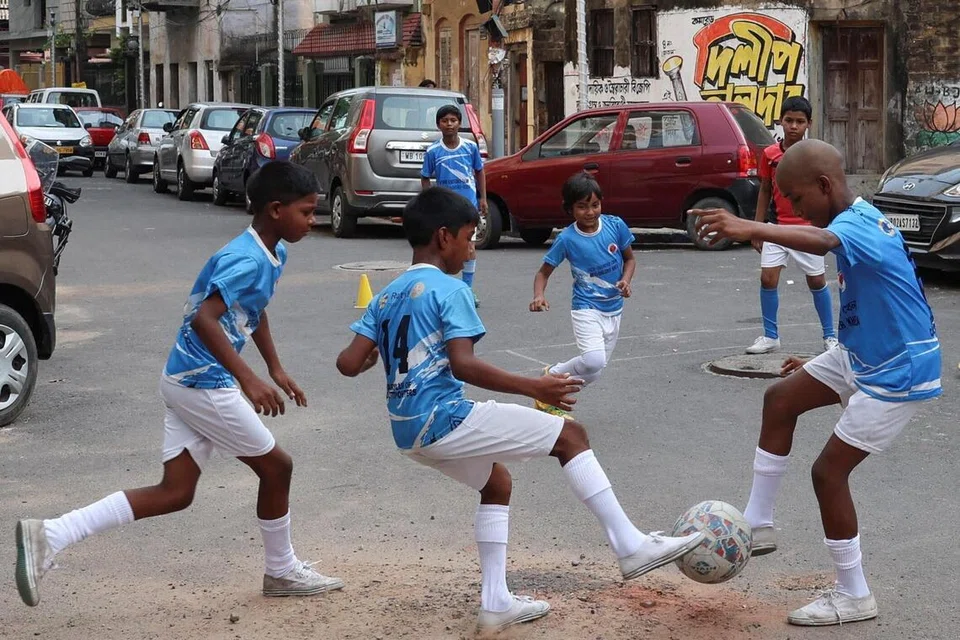
Experts believe the biggest obstacle remains the lack of a strong grassroots ecosystem, noted the BBC. Unlike leading football nations, India has struggled to develop extensive youth academies, scouting networks and school competitions capable of identifying and nurturing talent consistently. Football has also been overshadowed by cricket, which enjoys superior infrastructure, sponsorship, media coverage and career opportunities.
Domestic football faces additional challenges, including inconsistent club structures, limited training facilities and governance issues. The AIFF has faced criticism over administrative instability, while the national team currently ranks 136 in the FIFA rankings.
Former India captain Baichung Bhutia remains optimistic, arguing that qualification is possible under the expanded 48-team World Cup format, which offers more places to Asian nations. However, he stressed that success will require long-term investment in youth development, coaching, scouting and domestic competitions.