
For many in the sporting world, becoming a coach from being an athlete is not just a change in job title, but also a major shift in perspective.
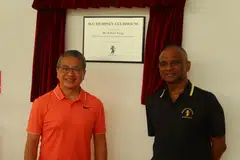
Having transitioned from the court to the sidelines in 2017, national assistant coach for Singapore Squash, Gurshan Singh, 31, reflects that the role of a coach is far more complex than tracking scores.
“As a player, you work hard, you train, and you chase world rankings or national representation,” he said. “But as a coach, it ceases to be just about performance. It’s about how you build a team and bring everyone together on a national stage,” said Mr Singh.
He emphasises that a coach’s clipboard often includes much more than tactical plays.
“You aren’t just dealing with things related to the sport; you are also dealing with their emotions, education, and unspoken fears. While a player strives to hit a target, a coach strives to mould that player into a better person, both on and off the court,” he explained.
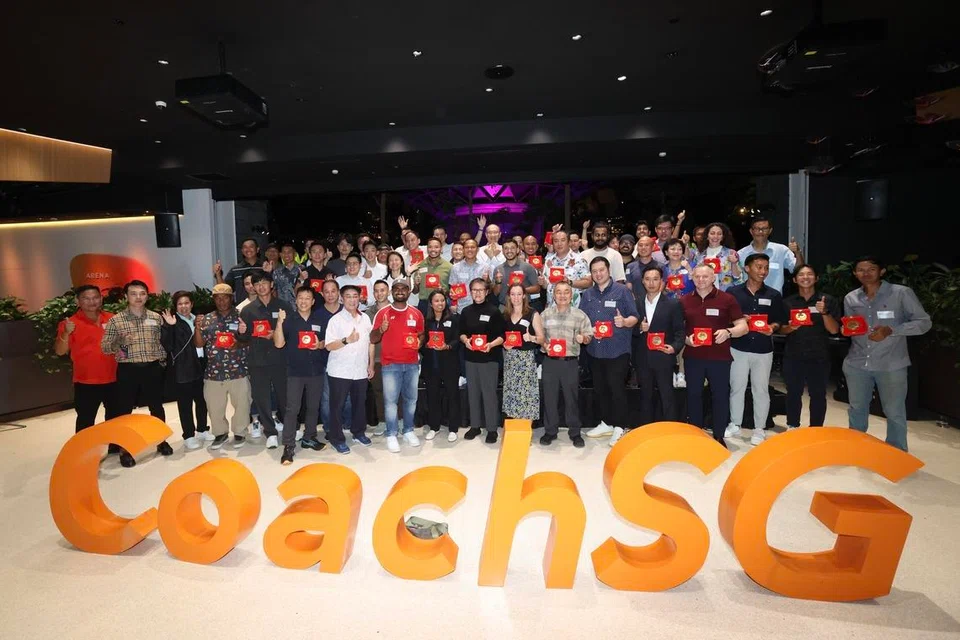
Mr Singh was among 200 coaches from 79 sports honoured at the Coaches Appreciation Night 2026. The event recognised the mentors behind Singapore’s recent wave of international success, where athletes secured medals at major meets, including the SEA Games and ASEAN Para Games in Thailand, the Asian Youth Games in Bahrain, and the Asian Youth Para Games in Dubai.
In attendance was guest-of-honour Senior Parliamentary Secretary for Culture, Community and Youth and Sustainability and the Environment Goh Hanyan, who spoke of coaching as an attractive career path that inspires the next generation of sporting leaders to step forward.
“Just as athletes need a support system to win, coaches require a robust support network to perform at their best,” she noted.
This holistic approach to mentorship aligns with recent legislative moves to professionalise the industry.
Last month, the Singapore Sports Council (Amendment) Bill was introduced to further empower Sport Singapore (SportSG) in establishing higher standards for sports training nationwide.
“We are taking steps to uplift industry standards across Singapore,” Ms Goh said.
Among those celebrated were the leaders of the national Kabaddi team, which made its historic debut at the recent SEA Games. For head coach Annadurai Sundar, 30, the journey from playing the sport in India to leading the Singapore national team since 2022 has been deeply moving.
“My athletes’ success felt like my own personal victory,” Mr Sundar shared.
For fellow coach Southi Kumaravadivel, 28, the reward lies in the long-term transformation of his athletes. Having mentored many of them since they were children, he described seeing them stand on an international podium as “indescribable.”
“I truly hope that Kabaddi produces well-rounded individuals ready for the Olympic stage sometime in the future,” he added.