
While the world’s attention during the 2026 FIFA World Cup was fixed on spectacular goals, dramatic saves and VAR decisions, a Singaporean was quietly playing a vital role in ensuring the tournament’s officials were ready for football’s biggest stage.
For 62-year-old Ganesan Maniam, serving as one of just seven FIFA fitness instructors – and the only Asian in the elite group – was both an honour and a responsibility.
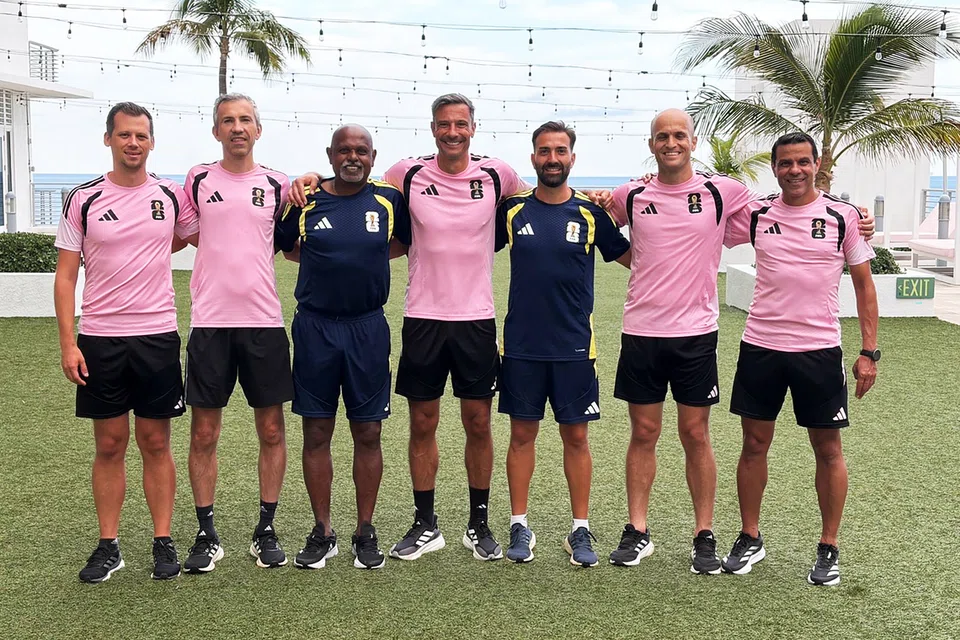
Based in Miami in the United States throughout the 50-day tournament, he helped prepare a record pool of 170 match officials comprising 52 referees, 88 assistant referees and 30 video match officials.
The assignment marked his third consecutive FIFA World Cup after appointments in Russia in 2018 and Qatar in 2022, making him the first fitness instructor from Southeast Asia to achieve the feat.
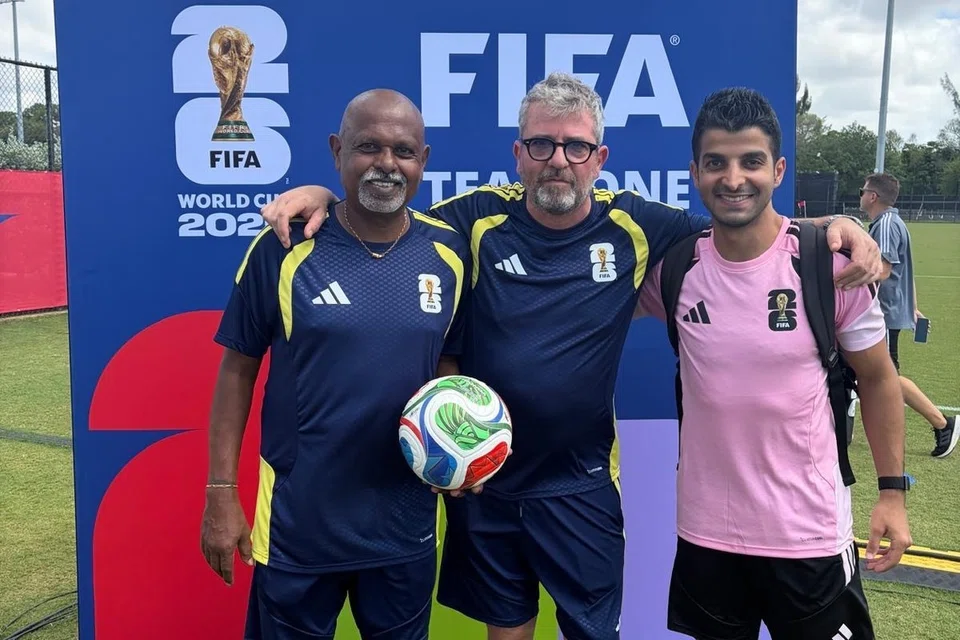
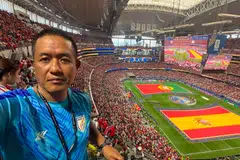
“The crowd was amazing,” Mr Ganesan recalled. “Watching the games live is completely different from watching them on television. The atmosphere was electrifying. Fans were singing, chanting and enjoying every moment. Even the third-place match produced 10 goals. It was an incredible experience.”
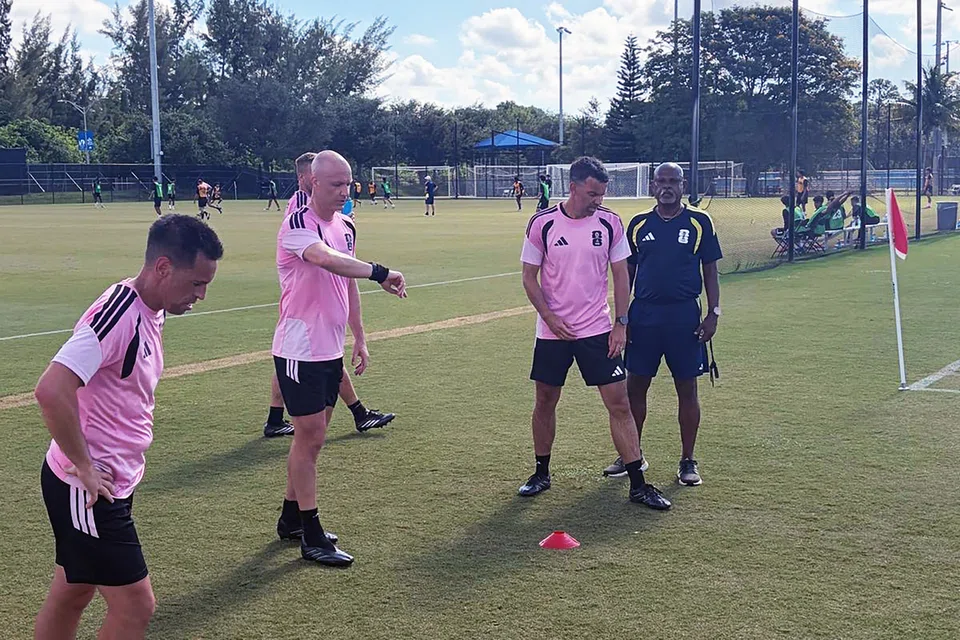
Every morning, Mr Ganesan and his fellow instructors conducted intensive 90-minute field sessions at the Miami Dade College, tailoring training programmes according to when each referee was due to officiate.
“My role was mainly to prepare referees three days before their matches,” he explained. “I warmed them up, took them through stretching and mobility exercises before they officiated practical match simulations with two teams creating live-game scenarios. Afterwards, I continued with additional fitness work to ensure they maintained the conditioning needed for World Cup matches.”
The programmes were carefully adjusted to avoid fatigue.
“Just like footballers, referees need different training loads depending on how close they are to a match. As the game approaches, training becomes lighter to keep them fresh and avoid injuries.”
Afternoons were devoted to detailed debrief sessions, where instructors and referees reviewed the previous day’s matches frame by frame. They analysed key decisions, discussed positioning and shared lessons that could be applied in upcoming fixtures.
Nutrition, recovery and travel management also formed a crucial part of the daily routine as officials moved constantly between venues across the United States, Canada and Mexico.
The expanded 48-team tournament presented fresh challenges, with 104 matches spread across the three host nations.
“Looking after every referee’s fitness level was certainly more demanding because there were more officials than ever before,” said Mr Ganesan. “But we achieved our objective. The right referees were appointed to the right matches, and we were pleased with their performances.”
Despite several refereeing controversies dominating headlines during the tournament, Mr Ganesan believes the officials performed exceptionally well.
“Many people see incidents differently,” he said. “Every day we reviewed the previous day’s matches from different camera angles. Most of the referees made the correct decisions. They are highly professional, and VAR played a very important role in helping them reach the right outcomes.”
He also defended the continued use of Video Assistant Referee (VAR) technology.
“VAR has improved tremendously over the years. It only intervenes when something significant has been missed, such as a penalty or a red-card incident. Referees are human, and technology helps ensure fairness for teams that have worked so hard to reach the World Cup.”
Mr Ganesan said FIFA’s selection process for instructors extends far beyond technical knowledge. Officials are evaluated over several international tournaments, including youth World Cups, on their ability to communicate effectively, work as part of a team and design safe, effective training programmes that minimise injury risks while keeping referees in peak condition.
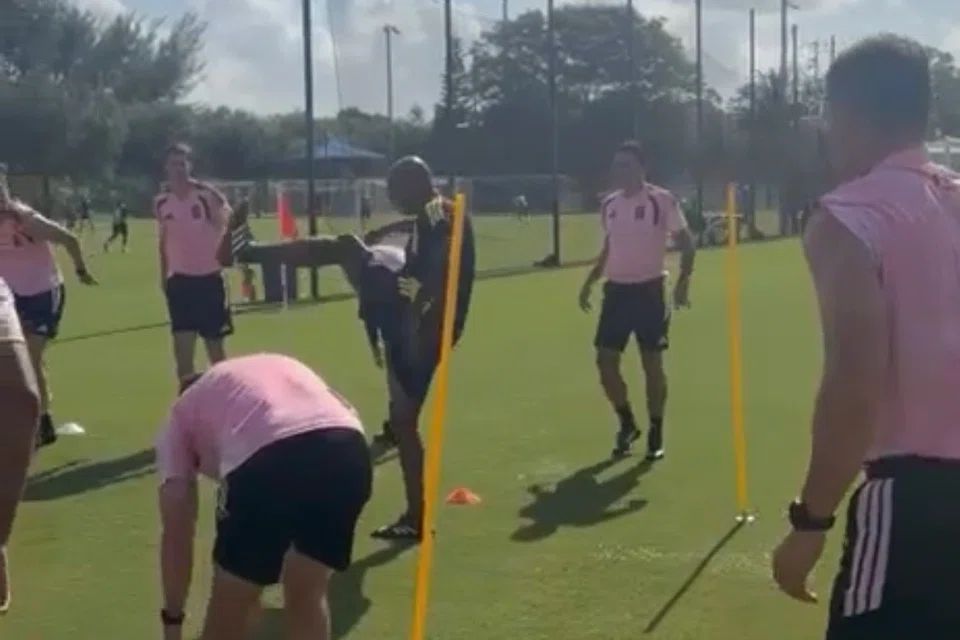
Before becoming a fitness instructor, Mr Ganesan enjoyed a distinguished 20-year refereeing career, serving as both a FIFA assistant referee and FIFA referee before injuries forced him into a new path.
His background as a physical training instructor in the Singapore Armed Forces, competitive runner, triathlete and footballer provided the perfect foundation for his current role.
Representing Singapore on football’s biggest stage remains a source of immense pride.
“Working alongside six outstanding FIFA fitness instructors, the medical team and referee support staff, we all shared one objective – to help every referee perform with confidence, consistency and professionalism,” he said.
“While the spotlight shines on the players and matches, I am proud to contribute behind the scenes, helping the world’s best referees perform at their very best.”