For football lovers, watching the FIFA World Cup on television is always special. But witnessing the world’s greatest sporting spectacle inside a packed stadium, surrounded by tens of thousands of passionate supporters, is an experience that few ever forget.
Four Singaporeans who travelled across the United States, Canada and Mexico for the 2026 FIFA World Cup returned home with unforgettable memories, remarkable stories and one common conclusion – despite soaring ticket prices and extensive travel, every dollar spent was worthwhile.
For rail engineer Shaji Philips, the tournament delivered a lifelong dream.
Having attended three matches at the 2022 World Cup in Qatar without seeing Argentina play, he was determined not to miss another opportunity to watch his football hero, Lionel Messi.
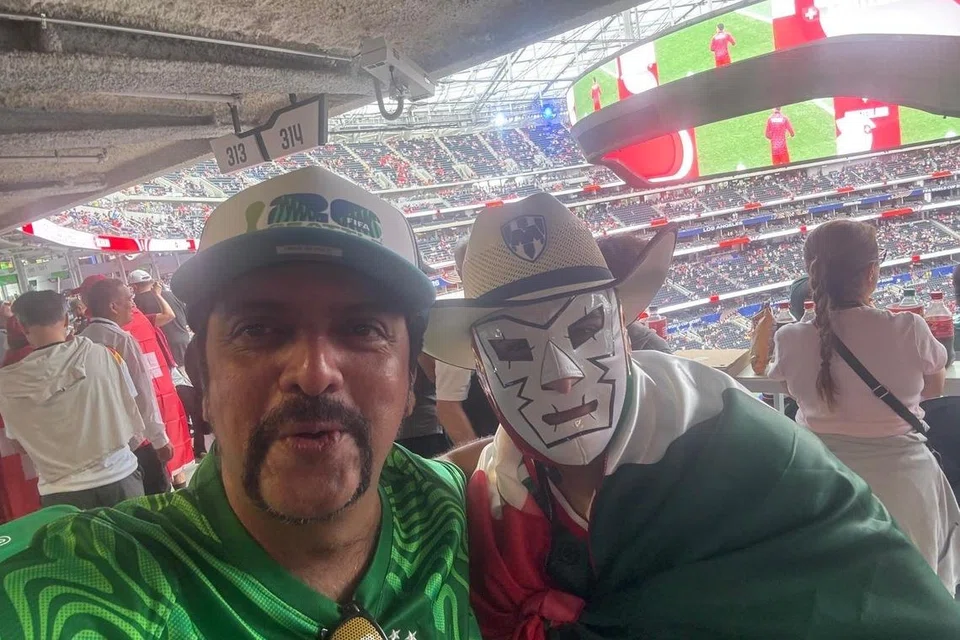
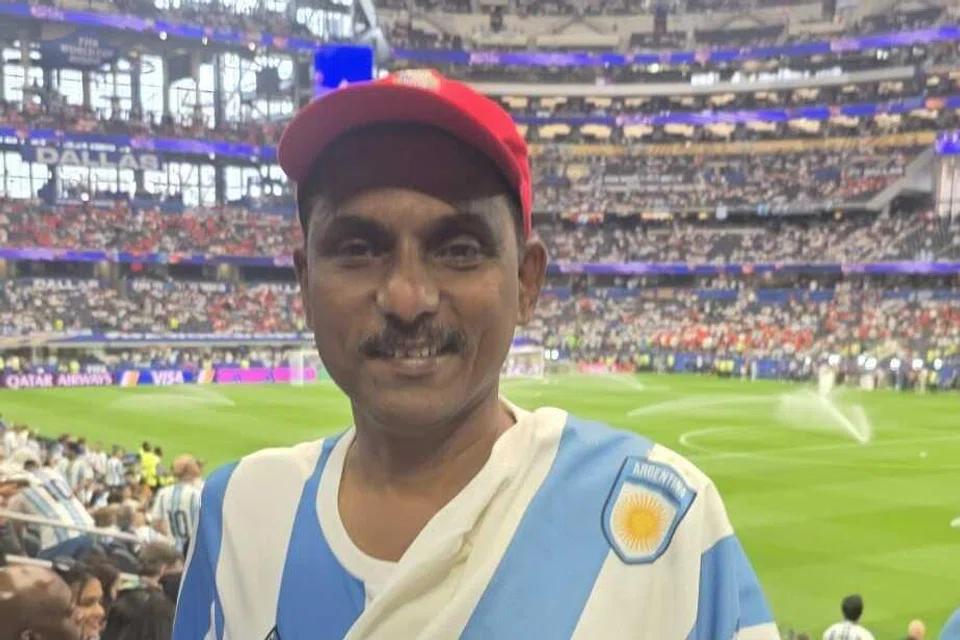
That chance finally came on June 22 at the AT&T Stadium in Dallas, where Argentina defeated Austria 2-0 in a Group Stage match.
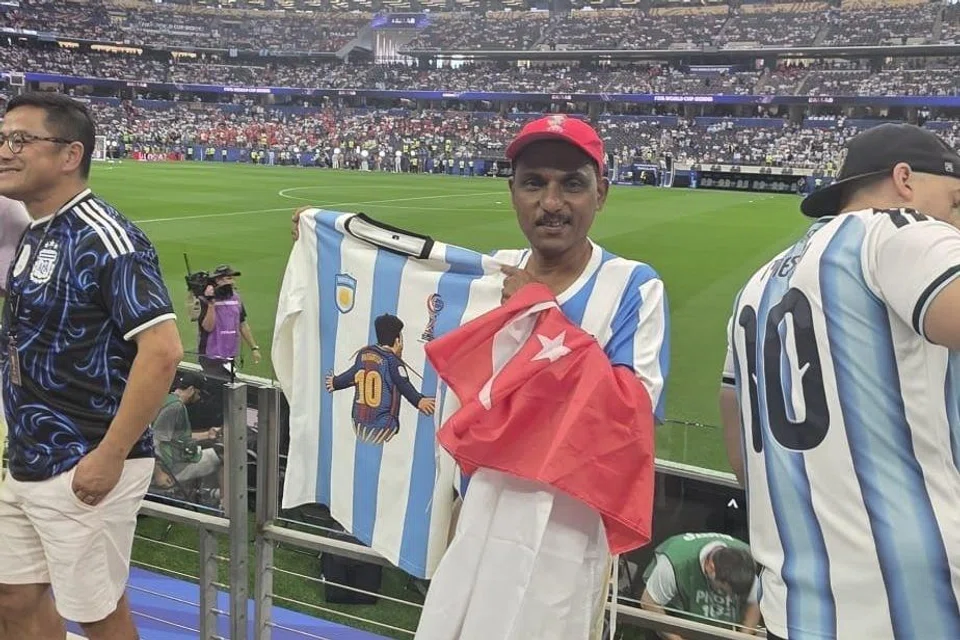
Shaji secured one of the best seats in the house – a FIFA hospitality ticket costing US$3,500 right beside the pitch and directly behind the photographers.
“It was the moment I had been waiting for,” he said. “To see Messi in the flesh, and from so close, was simply unbelievable.”
Messi rewarded the crowd by playing the full 90 minutes and scoring both goals.
“He is a magician,” Shaji said. “He doesn’t chase every ball. His teammates understand him perfectly. They keep possession, wait for the right moment, and once the ball reaches Messi, nobody knows what he will do next.”
Every touch by the Argentine captain was greeted with deafening chants of “Messi! Messi!” from more than 80,000 fans.
“The atmosphere was incredible. Even after the final whistle, nobody wanted to leave the stadium,” said Shaji.
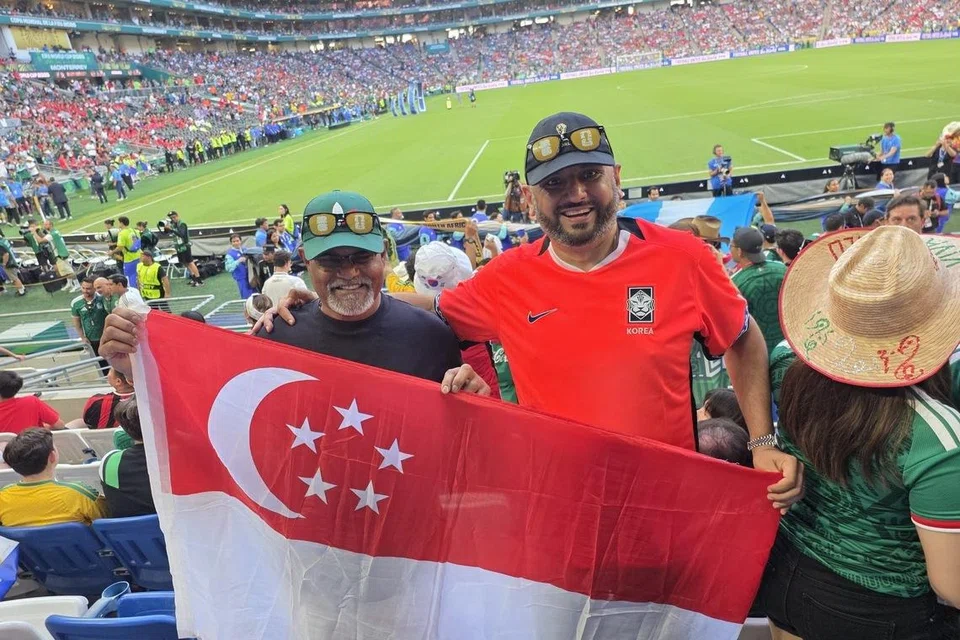
Mr Shaji proudly displayed a Singapore flag while carrying both a Diego Maradona jersey and a Messi No. 10 shirt.
Although he paid US$3,500 for the hospitality ticket, he has no regrets.
“It was worth every cent. The hospitality, food, drinks and even the replica World Cup trophy made it a once-in-a-lifetime experience.”
His wife accompanied him to the United States but was unable to secure a match ticket because demand was exceptionally high.
Despite Argentina’s reliance on Messi, Shaji believes the defending champions have enough quality to retain the World Cup.
Finance professional Raspal Singh Sidhu, meanwhile, approached the tournament differently.
Instead of chasing the biggest stars, he opted to experience football’s diversity.
By applying early through FIFA’s ticket ballot, he secured four Group Stage matches for a combined US$1,200.
His football journey took him from Vancouver to Seattle and Los Angeles, where he watched Australia defeat Turkiye, Belgium draw with Egypt, Switzerland beat Bosnia and Herzegovina, and Bosnia and Herzegovina overcome Qatar.
The Belgium-Egypt match may not have produced fireworks, but it allowed him to watch two modern greats – Egypt captain Mohamed Salah and Belgian midfield maestro Kevin De Bruyne.
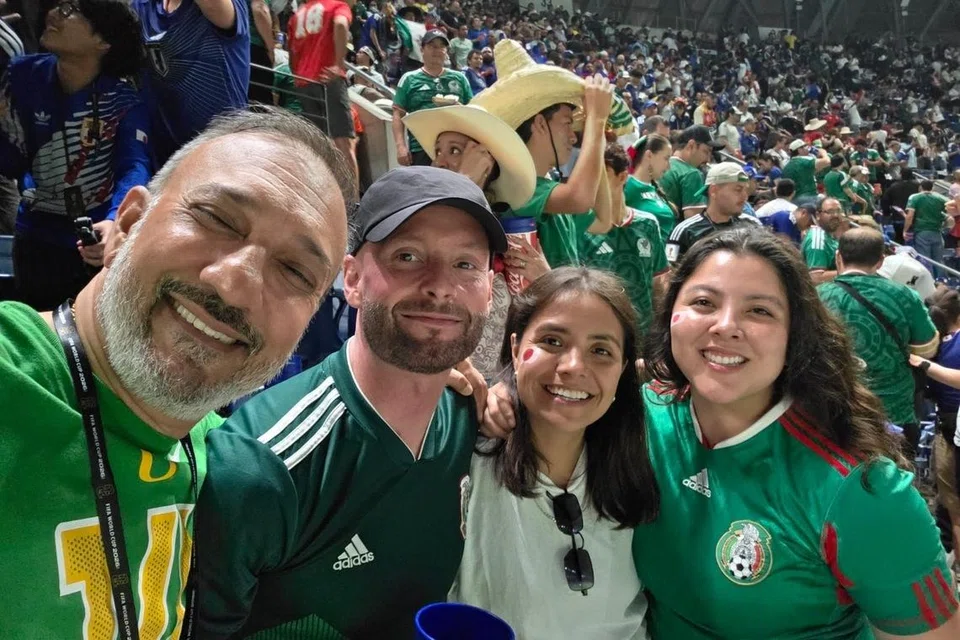
“I actually enjoy the group stage more,” Raspal said. “Fans from every country are there. You meet people from all over the world.”
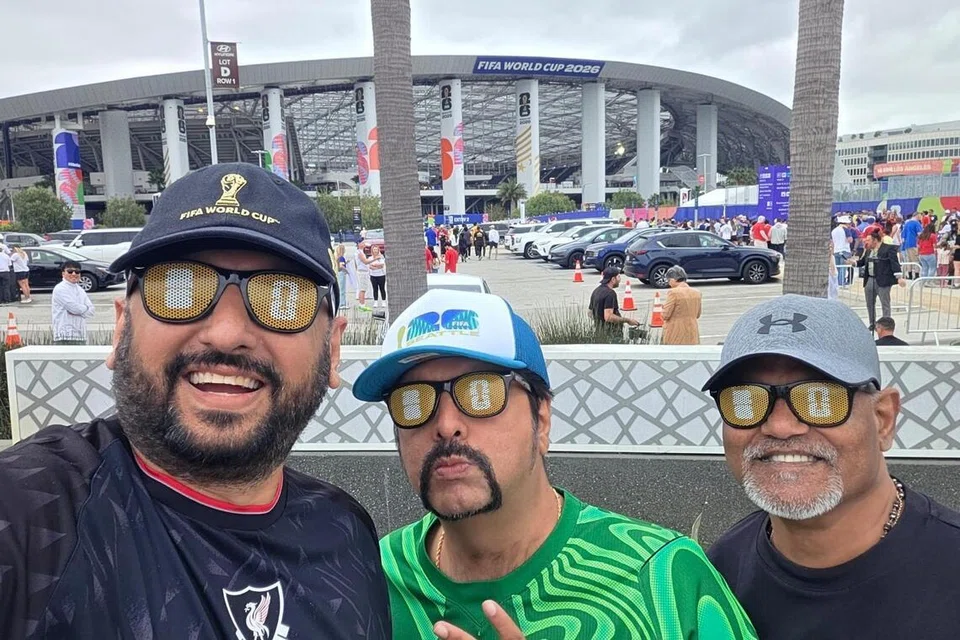
He singled out Mexican supporters as the tournament’s most vibrant.
“They know how to celebrate. The fan zones were fantastic and the after-parties were amazing. One evening we even celebrated at Santa Monica Beach.”
Having also attended the World Cups in Russia and Qatar, Raspal rated Russia as the best organised tournament but praised North America’s smooth logistics.
“The only downside was the food and beverage prices inside the stadiums,” he said.
Marketing strategist Dinesh S covered even more ground, watching five matches spread across all three host countries.
He stayed with friends in Vancouver, travelled to Seattle and Oregon, before flying five hours to Monterrey in Mexico.
“The travel itself became part of the adventure,” he said.
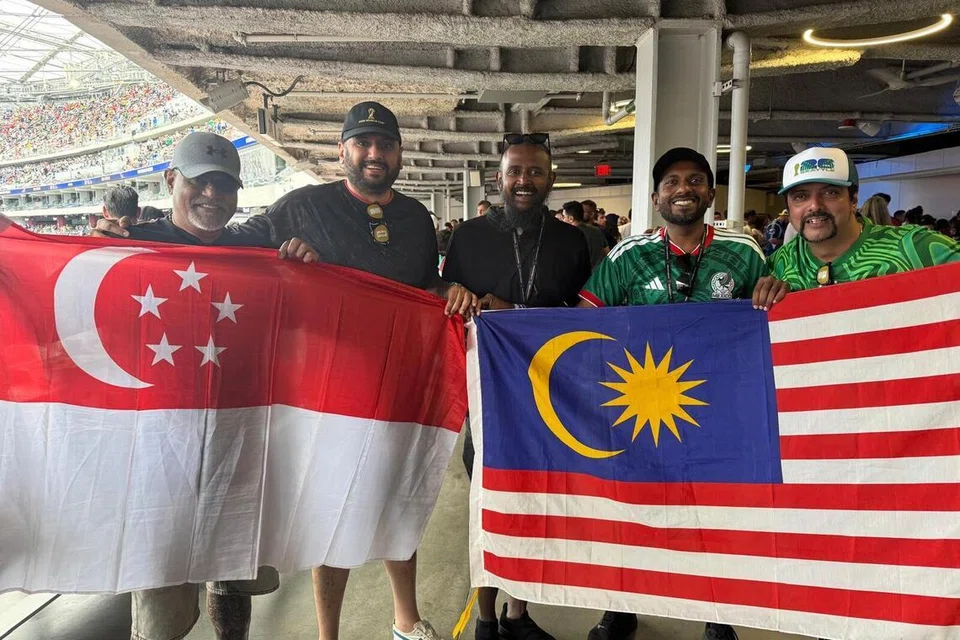
He described Los Angeles’ stadium as one of the finest sporting venues he had ever visited.
“It is state-of-the-art and aesthetically stunning.”
Mexico offered a completely different experience.
While language barriers and security concerns occasionally surfaced, the country’s infectious football culture more than compensated.
“The food was outstanding, and after the matches the celebrations simply took over the streets. It was one of the most immersive football experiences I’ve ever had,” said Dinesh.
Having previously attended World Cups in South Korea, Brazil and Russia, Mr Dinesh noted that tickets for this edition were at least three times more expensive.
He believes the expanded 48-team tournament makes the group stage particularly attractive.
“The whole world is there. By the quarter-finals and semi-finals, it becomes the usual football powers. The diversity during the group stage is what makes the World Cup unique.”

Businessman David Selvarajoo, who operates both a bistro and a cleaning company, also followed the tournament across the three host nations, attending two matches each in the United States and Mexico, and one in Canada.
He described the atmosphere inside every stadium as electric despite the significantly higher travel, accommodation and ticket costs compared with Russia eight years ago.
Although Mr David missed watching his beloved Brazil in person, he was delighted they progressed to the Round of 16 after defeating Japan.
Still, he remains realistic.
“Brazil are through, but I don’t think they have enough to win the World Cup this time.”