
V.K. SANTOSH KUMAR
The mighty Mumbai Indians were once the gold standard of cricket’s Indian Premier League (IPL) – a franchise built on calm leadership, ruthless execution and an uncanny ability to win from impossible positions.
Today, however, the five-time champions look like a team trapped between eras, desperately searching for identity, balance and direction.
On May 7, they were languishing ninth in the 10-team IPL table with six points after 10 matches, with leaders Sunrisers Hyderabad on 14 points. Mumbai will have to win all their four remaining matches to stay in contention for the playoffs.
Mumbai, effectively owned by the Ambani family, may still be mathematically alive in IPL 2026, but the reality is stark. Another playoff miss now appears likely, which would make it the fourth time in six seasons that the franchise has failed to reach the knockouts.
For a team that once defined consistency, this is no longer a temporary dip. It is a structural decline.
At the heart of Mumbai’s troubles lies a bowling attack that has lost both bite and balance. Beyond Jasprit Bumrah, there has been little reliability. Opposition teams have repeatedly targeted the middle and death overs, exposing a lack of support for one of the world’s best fast bowlers.
Mumbai entered the season believing a powerplay strategy built around swing bowling and experience would still work. But the modern IPL has evolved rapidly. Teams now rely on fearless hitting from ball one, multi-dimensional finishers and specialist death bowlers. Mumbai, in contrast, appeared stuck with an outdated template.
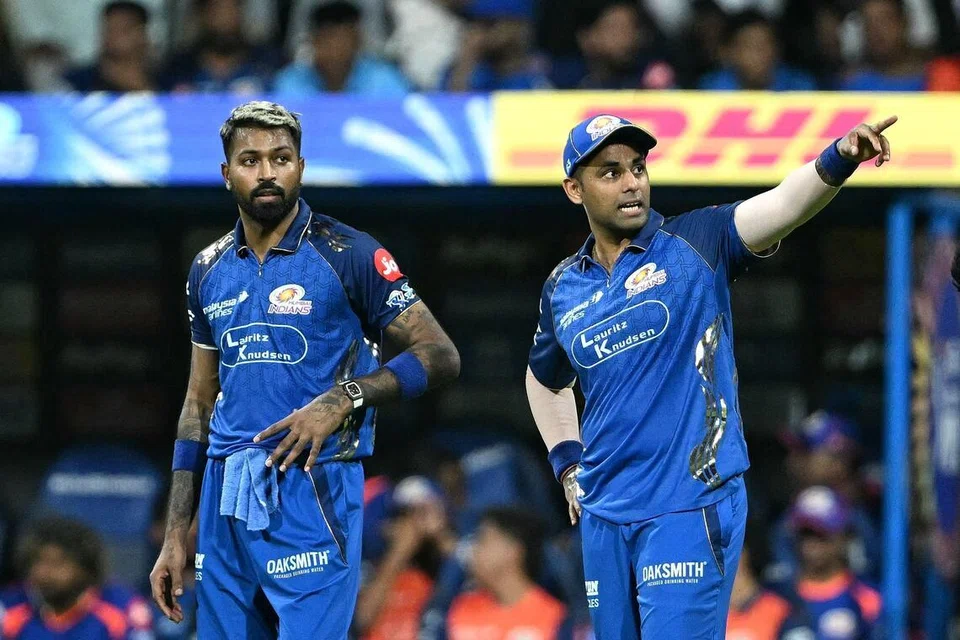
Even Bumrah has looked vulnerable without adequate support. Bowlers like Deepak Chahar and Trent Boult have struggled to consistently contain aggressive batting line-ups, while captain Hardik Pandya’s own bowling returns have been disappointing. The franchise that once set tactical trends now seems to be chasing them.
The captaincy transition has only deepened the uncertainty. When Hardik replaced Rohit Sharma ahead of IPL 2024, Mumbai expected turbulence but trusted that time would heal divisions inside the dressing room. Two seasons later, the wounds still appear visible.
Reports of an unsettled camp, competing leadership ambitions and fractured dressing-room chemistry have continued to follow the franchise. Hardik’s own performances have done little to silence criticism. His batting returns have been modest, his bowling expensive, and his captaincy has often looked reactive rather than inspiring.
The contrast with his successful stint at Gujarat Titans has become increasingly obvious. At Gujarat, the system was built around him. At Mumbai, he walked into a dressing room full of established stars and strong personalities, and the balance has never fully settled.
Former players and experts have begun openly questioning whether Hardik should continue as captain. Yet the larger problem may not simply be leadership – it is the absence of collective clarity.
Mumbai’s famed “core” – Rohit, Hardik, Bumrah, Suryakumar Yadav and Tilak Varma – was expected to provide stability after the 2025 mega auction. Instead, inconsistency has hurt them badly.
Suryakumar has struggled to replicate his explosive best. Tilak, despite being viewed as a future leader, has not consistently delivered match-winning seasons. Rohit showed flashes of brilliance before injury disrupted his campaign again.
Even when individuals have produced moments of class, Mumbai have lacked the cohesive “team performance” that once defined them.
Perhaps the most worrying sign is that Mumbai no longer feel like a franchise building for the future. The IPL’s most successful sides are constantly reinventing themselves by identifying fearless young Indian talent and adapting to changing trends. Mumbai, by contrast, have appeared overly loyal to reputation and past success.
That culture of untouchability around senior stars is now being questioned. Critics argue the franchise has become too dependent on established names while failing to develop hungry young match-winners capable of thriving in the league’s increasingly aggressive environment.
The next mega auction could therefore become a defining moment. Mumbai Indians need more than cosmetic changes. They need a reset in philosophy.
The rebuilding process must begin around Bumrah, who remains their most valuable asset. From there, the franchise has to identify younger Indian talent, strengthen death bowling, and create a clearer dressing-room culture where performance matters more than legacy.
There are still pieces worth preserving. Rohit’s experience, Hardik’s all-round potential and Suryakumar’s brilliance can all remain valuable if properly managed. But sentiment alone cannot restore Mumbai Indians to the top.
For years, Mumbai thrived because they stayed ahead of the curve. Today, they are struggling because the curve has moved ahead of them. The question now is whether one of the IPL’s greatest dynasties has the courage to reinvent itself before the decline becomes permanent.
santosh@sph.com.sg