
Big business has discovered that Indian Premier League (IPL) teams are no longer vanity purchases. They are scarce, high-growth sporting assets with media power, emotional loyalty and global expansion potential.
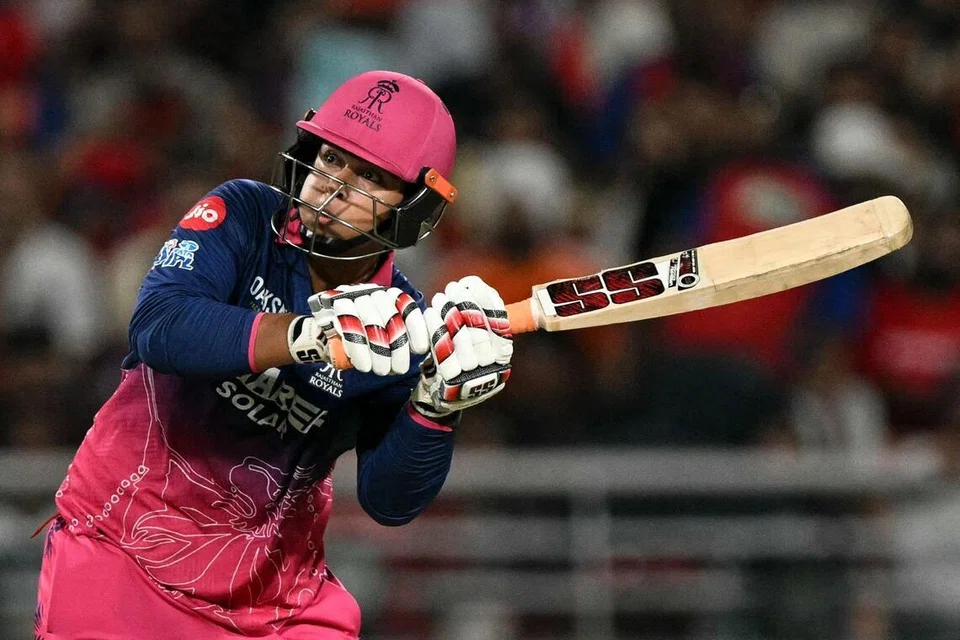
The reported acquisition of Rajasthan Royals by a consortium led by steel magnate Lakshmi Mittal and vaccine billionaire Adar Poonawalla, in a deal valued at around US$1.65 billion, underlines how dramatically the IPL has changed since its launch in 2008.
Rajasthan Royals were originally bought for US$67 million. A valuation of more than US$1.6 billion now represents not just appreciation, but a complete reclassification of what an IPL franchise means.
It is no longer merely a cricket team. It is a media property, consumer brand, digital asset, and global sports platform rolled into one.
Under the reported ownership structure, the Mittal family will hold 75 per cent, Poonawalla 18 per cent, and existing investors 7 per cent. Current promoter Manoj Badale is expected to continue in a supporting and advisory role.
The deal also includes the wider Royals ecosystem, including Paarl Royals in South Africa’s SA20 and Barbados Royals in the Caribbean Premier League.
That is important because investors are no longer looking only at two months of IPL cricket. They are buying year-round cricket networks. The future model is global, with franchises operating across leagues, markets, and time zones.
The appeal is obvious. IPL teams benefit from a central revenue-sharing model, which gives them access to massive broadcast and digital rights income. The league’s media rights for the 2023-27 cycle were sold for more than US$6 billion, creating a strong revenue floor for franchises.
Unlike many traditional businesses, IPL teams enjoy scarcity value. There are only 10 franchises, and expansion is tightly controlled. That makes ownership exclusive and increasingly attractive to conglomerates, private equity firms, and global investors.
For big businesses, the IPL also offers something money usually cannot buy easily: emotional access to hundreds of millions of consumers. A team becomes a branding machine, creating loyalty through identity, nostalgia, city pride and star power. Sponsorships, merchandise, ticketing, digital licensing and content all add further value.
Recent deals have reinforced the trend. Royal Challengers Bengaluru was reportedly sold for about US$1.78 billion, setting another benchmark for franchise valuations. Together with the Rajasthan deal, it signals that billion-dollar IPL teams are no longer exceptions but the new elite standard.
The entry of names such as Mittal, Poonawalla, Blackstone-linked investors and American sports owners also reflects growing institutional confidence in Indian cricket. The IPL is increasingly being compared with global leagues such as the NBA and NFL, not in current valuation alone, but in future growth potential.
The sport’s return to the Olympics in Los Angeles in 2028 and the rise of Major League Cricket in the United States further strengthen cricket’s international commercial appeal.
For investors, the logic is simple: India has scale, cricket has devotion, and the IPL has monetised both better than any other league in the sport.
What began as a glamorous cricket tournament has become one of the most prized sports investments in the world. Big business is not just buying teams. It is buying a place in the future of global cricket.