


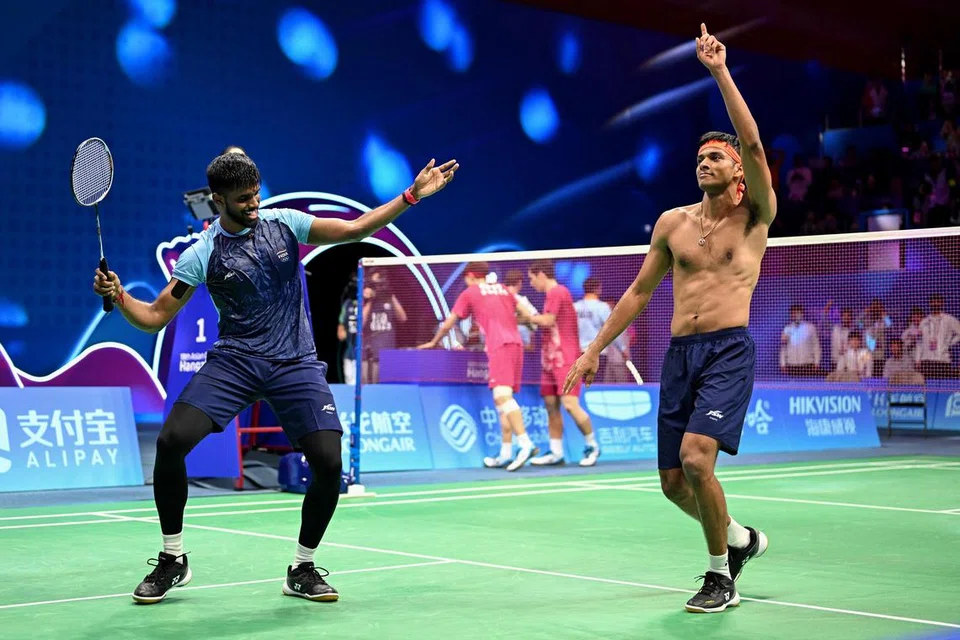
India’s modest Olympic achievements have long stood in contrast to its massive population, but sporting officials say the sleeping giant has finally stirred at the Asian Games.
Five years ago in Jakarta, India finished eighth on the medal table with their best-ever haul of 70 medals, including 16 golds.
In Hangzhou last week, Team India finished with 107 medals, soaking up glowing reports in national media and praise from Prime Minister Narendra Modi.
After being topped by the likes of Taiwan, Uzbekistan and Indonesia in Jakarta, India were fourth on the medal table, behind China, Japan and South Korea.
The last time it was higher up the table at the Asian Games was in 1962, when it finished third. At the first Asian Games in 1951, India had finished second.
And this is the first time India has broken into the top five after 1986. Its worst position was in 1990 when it stood 11th out of the 36 countries that participated.
With 45 nations, the Asian Games offers far weaker competition than the Olympics and features plenty of medals in sports that have little prospect of making the Olympic programme.
India managed seven medals, including one gold, at the Tokyo Olympics in 2020, the nation’s record haul putting it at only 48th on the table.
Yet the trajectory is positive and results in Hangzhou show that increased funding with more targeted sports investment in recent years is paying dividends, India team officials told Reuters.
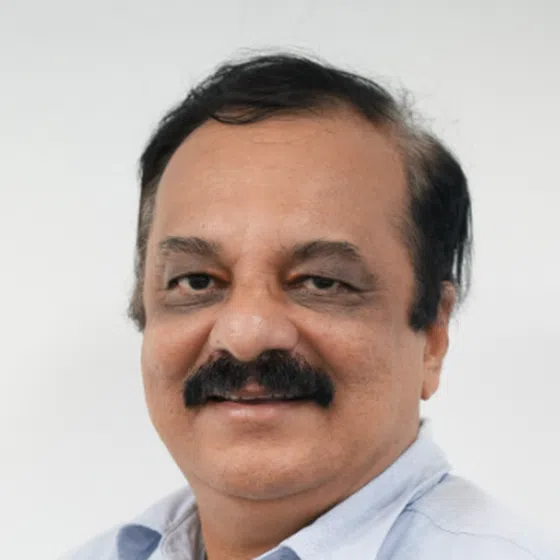
“Our prime minister wants India to become a sporting power, so the government provides incentives and (we are) using foreign coaches,” said Indian Olympic Association (IOA) president P.T. Usha.
“The government is doing it in a system that started three, four years ago. We are starting to get the results now.”
Earlier this year, Mr Modi praised the progress made in strengthening India’s sports culture, saying: “In the past nine years, a new era of sports emerged in India. It is not just about making India a new power in sports but empowering society through sport.”
The Central government has hugely increased India’s sports budget since 2014, from Rs874 crore ($143 million) in 2014 to Rs2,462 crore. Best-performing athletes are also given an annual allowance of Rs500,000.
Athletes now train in the best facilities in India and abroad, all of which are funded by the government.
Badminton star P.V. Sindhu told The New Indian Express last year: “We don’t have to worry about our training, getting the right coaches, sports science support or specialised training equipment.”
In August this year, Mr Modi said the government is setting up the Khelo India State Centres of Excellence.
He directed all state sports ministers to ensure that no sporting talent is overlooked and that more local competitions and tournaments are to be held in the country. States have been asked to identify goals and focus on sports infrastructure and tournament-specific training.
Indian athletics made strides in Hangzhou, claiming 29 medals – nine better than Jakarta.
Athletes have surprised in a number of events, including Kishore Jena, who took javelin silver behind teammate Neeraj Chopra, the country’s first Olympic and world champion in track and field events.
The men’s 4x400m relay team cruised to victory on Wednesday, after the world championships in Budapest where they set a new Asian record on the way to a fifth-place finish in the final.
“These are healthy signs of an emergent Asian sports power,” said sports lawyer Nandan Kamath, who was involved in drafting the Indian government’s Target Olympic Podium Scheme.
“There has been consolidation and growth in disciplines like shooting and athletics, and the emergence of winners and contenders in new disciplines.”
India have a long way to go to catch up with China and had no hope of doing so in Hangzhou, where the hosts finished with a record 201 golds and 383 medals.
But there is no shortage of optimism. “In the near future, we will chase China,” said India’s chef de mission Bhupender Singh Bajwa, adding that the target now is to double their Tokyo Olympics medal haul at Paris next year.
Reuters, Indo-Asian News Service

