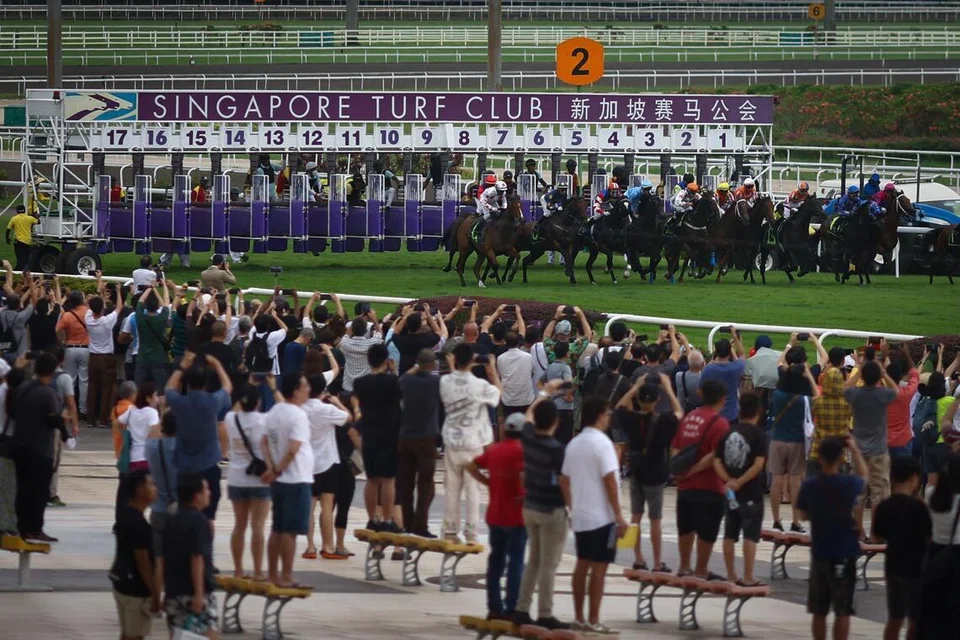
Saturday, Oct 5, 2024, marked the end of horse racing in Singapore, after a glorious run which began in 1842.
Commemorating its history, the first nine races at the Singapore Turf Club (STC) in Kranji were named after notable personalities and horses that marked the history of racing in the Republic.
They included Scottish merchant William Henry Macleod Read, who was among the founders of horse racing here, and jockeys Abdul Mawi and Magdalene Tan, the first winner of the Singapore Gold Cup and first local female jockey, respectively.
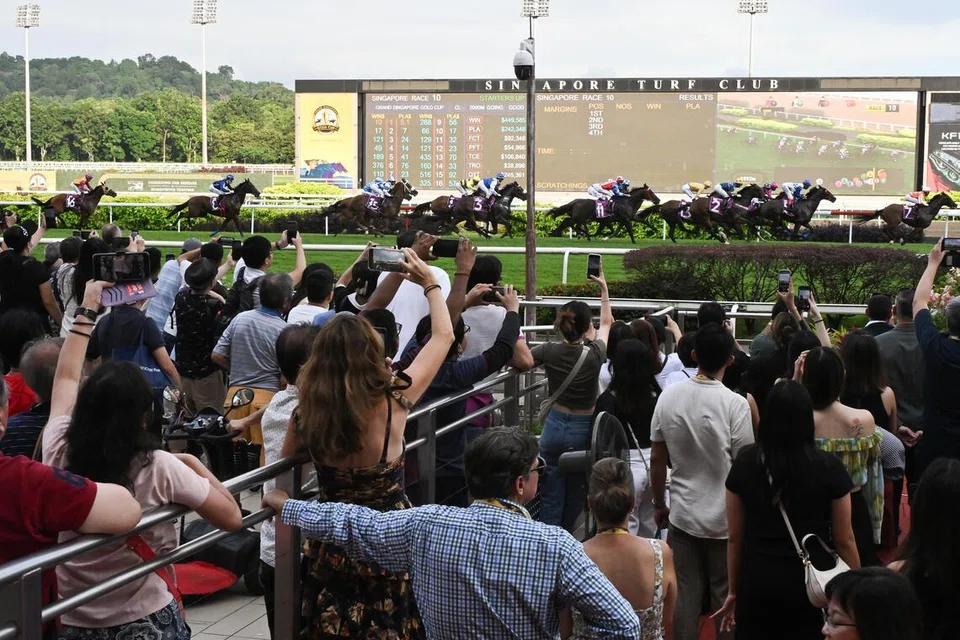
The 10th and final race was the $1.38 million Grand Singapore Gold Cup, first staged in 1924. It was won by Smart Star, with South Africa’s Muzi Yeni in the saddle.
Among the 16 contenders was a gelding named Don’t Forget Boss. It won no honours but did serve as an apt reminder to racegoers not to forget the thousands of thoroughbreds that have raced over the years.
All the free admission tickets to Grandstand Level 1 at the Turf Club were snapped up online, and a limited number of free Grandstand Level 1 tickets were available for on-site redemption on Sept 21 and 28 and Oct 5.
The $500 million Kranji racecourse was officially opened in 2000 by then-President SR Nathan before a crowd of about 28,000.
Then, it featured the latest in-turf innovation and technology. Night racing was also made possible by 41 towering light masts installed around the course.
It had air-conditioned stables, swimming pools for the horses and Singapore’s only equine veterinary hospital.
Over the years, it has hosted dignitaries including the late Queen Elizabeth II.
However, horse racing grew less popular among younger generations and declining race-day attendances was cited as one of the reasons to end racing here.
From about 11,000 racegoers in 2010, it went down to 6,000 by 2019. When the racecourse reopened to the public after the Covid-19 pandemic in April 2022, the average attendance per race day was a measly 2,600.
There is also the need for more houses. By March 2027, the 124ha piece of land – an area spanning more than 300 football fields – occupied by the Kranji facility will be returned to the Government to allow for housing and other developments.
Horse exportation has already begun and will be completed by March 2026, along with preparations for the estate to be handed over. There are currently 240 race horses at the club, down from the initial population of 700.
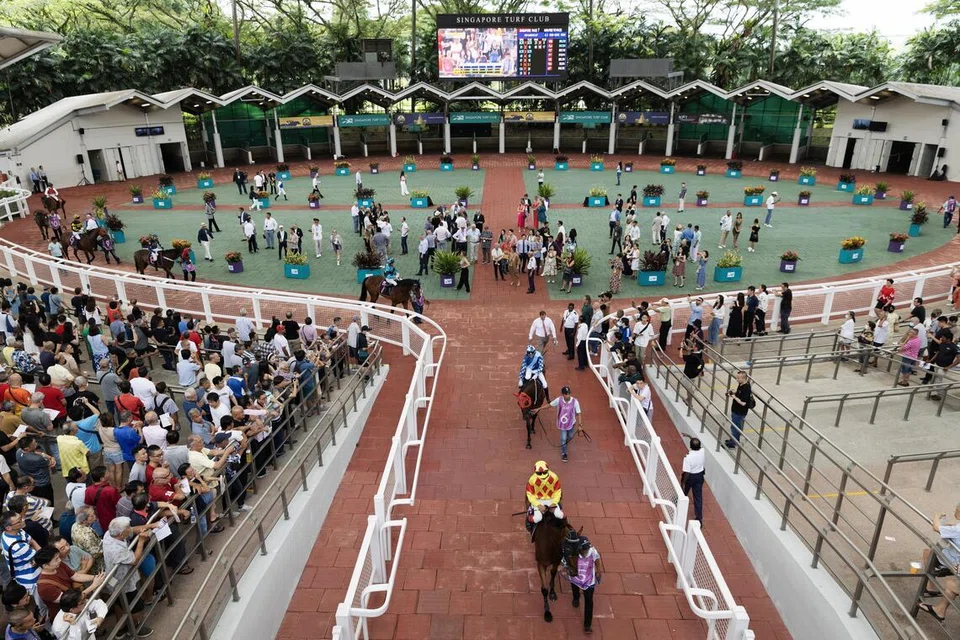
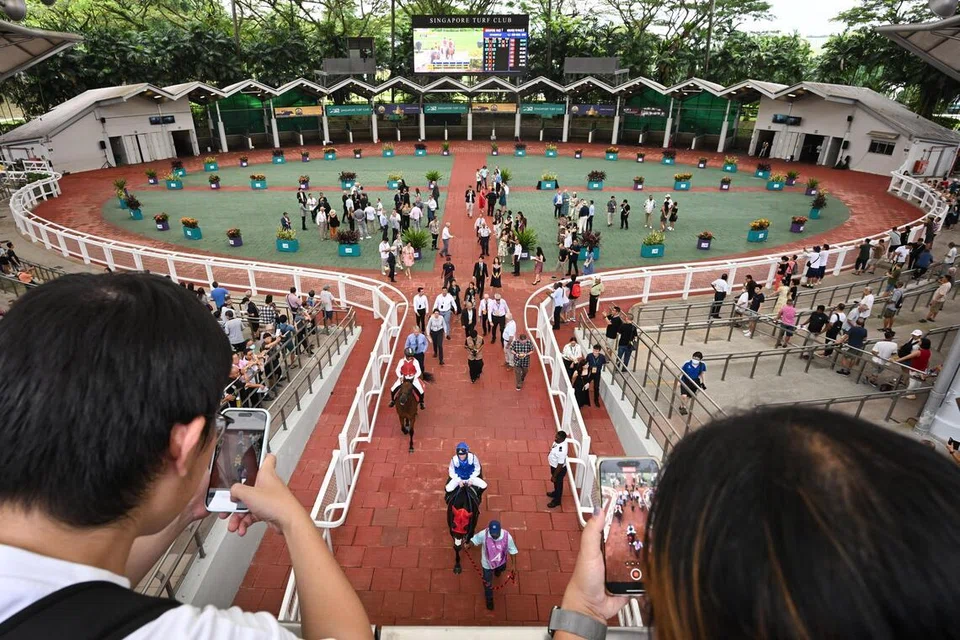
However, the 10,000-strong crowd at the races on Saturday had other things on their minds.
Many explored the premises and captured memories as they snapped photos around the venue. There were even visitors in wheelchairs, who kept their caregivers busy by placing bets.
At the VIP stands, champagne flowed freely as men in suits and women in gowns and stylish hats helped themselves to a fine buffet spread.
Not all were veteran racegoers. A woman, probably seeing a horse in the flesh for the first time, was overheard saying: “Wah! Never knew a horse could be so big.”
Graphics artist Simon Tan, 28, who was there with his girlfriend, told tabla!: “We wanted to check out what the fuss was all about. Have to admit, it is quite captivating.”
Even after the closure of STC, memories of horse racing will surely live on.
As author Lucy Maud Montgomery once wrote: “Nothing is ever really lost to us as long as we remember it.”
So, don’t forget, boss.
Khush Randhawa