
Watching Brazil lose 2-3 to Japan at Singapore’s National Stadium on Nov 14, I wondered what had happened to the footballing nation that once made the beautiful game an art form.
Singaporean referee Jansen Foo has become the convenient scapegoat for Brazil’s defeat. He made some questionable decisions, particularly in the build-up to Japan’s stoppage-time winner. But blaming him merely disguises Brazil’s deeper problems.
From where I watched, there was little spark, imagination or collective purpose. Brazil appeared more interested in winning penalties than creating clear-cut scoring opportunities.
Japan, meanwhile, played with intelligence, discipline and tactical clarity. Their quick passing and incisive movement exposed Brazil’s dangerously high defensive line, producing two goals within the opening 19 minutes.
It took two spectacular long-range strikes from Vinicius Junior to restore parity. Individual brilliance, rather than collective excellence, kept Brazil in the contest.
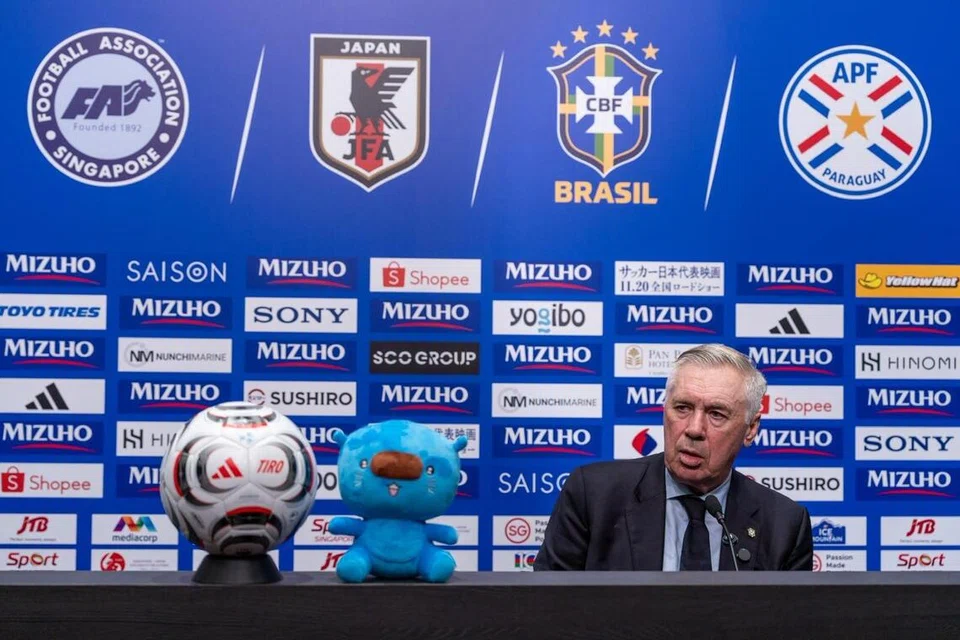
Carlo Ancelotti must shoulder considerable responsibility. Since taking charge in May 2025, the celebrated Italian coach has struggled to establish a recognisable playing identity.
His record of 12 wins, four draws and five defeats in 21 matches, coupled with Brazil’s round-of-16 exit at the 2026 World Cup, hardly inspires confidence.
Brazil possess outstanding wingers but lack creative central midfielders who can dictate the tempo and unlock organised defences. Ancelotti’s tactical experimentation and constant personnel changes have further undermined cohesion.
Ancelotti has struggled to find a balanced formation that integrates world-class attacking wingers while maintaining defensive solidity. Brazil’s high-pressing strategy left massive open spaces at the back, which a well-organised Japanese side routinely exploited on quick transitions.
Brazil has an abundance of elite wide forwards like Vinicius Júnior, Raphinha, Rodrygo and Estevao, but lack game-controlling central midfielders. When Ancelotti tries to fit multiple attackers into the lineup, Brazil are frequently outnumbered in the centre of the pitch, leading to poor possession control and exposed defences against organised teams like Japan and Norway.
Ancelotti’s legendary club success at Real Madrid and AC Milan relied on “relationism” – giving world-class players freedom to build chemistry on the training ground every day.
In international football, managers only get players for a few days every few months, which has made Brazil’s attack look disjointed and overly reliant on individual moments rather than structured patterns.
Since the 2026 World Cup exit, Ancelotti has used international windows to overhaul the roster, dropping the squad’s average age from 29.6 to 23.6 for the November 2026 tour. While necessary for rebuilding toward 2030, the constant rotation – especially in midfield – has prevented the team from building a settled starting XI or consistent on-field chemistry.
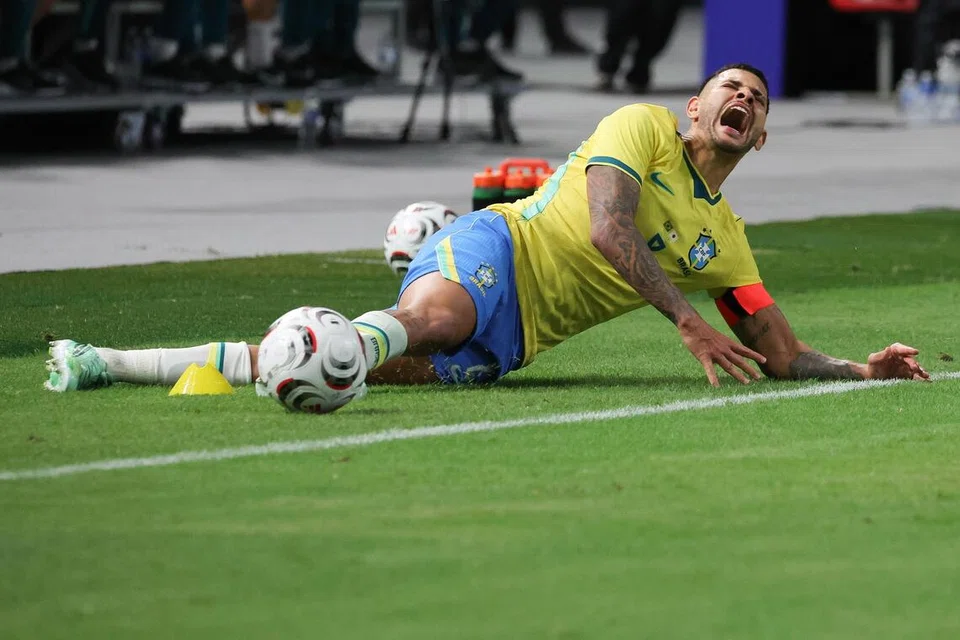
Critics and pundits have also pointed to questionable in-game management. Ancelotti has alternated between overly passive low blocks – such as conceding 60 per cent possession in their World Cup loss to Norway – and overly aggressive, top-heavy formations that leave the backline vulnerable to counter-attacks.
There is also a deeper cultural transformation. Brazilian youngsters increasingly develop within structured European football systems that prioritise positional discipline, physicality, and pressing over spontaneity and improvisation.
Brazil’s celebrated Joga Bonito seems to be a distant memory. Classic samba football revolved around central orchestrators like Pele, Zico, Rivaldo, Ronaldinho and Kaka, who dictated tempo from the middle.
Today, Brazil produces an abundance of explosive touchline wingers and physical box-to-box midfielders, leaving a void of central playmakers who can unlock compact defences with disguise and rhythm.
The deficiency in the ranks and lack of progress has drawn sharp criticism from Brazilian media and legends like Romário, who publicly demanded Ancelotti’s sacking after the Japan defeat.
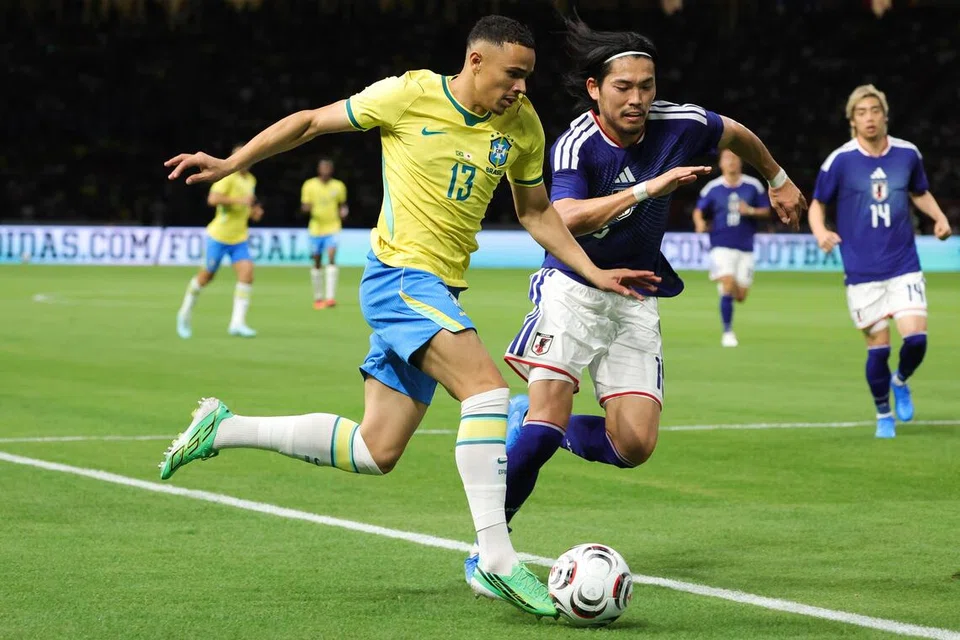
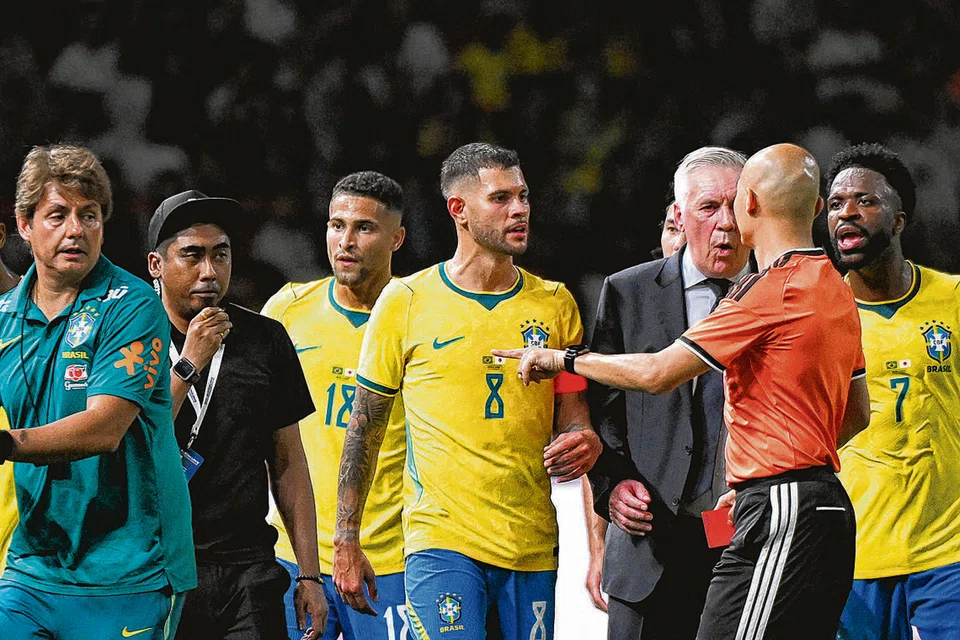
The sight of Ancelotti and captain Raphinha receiving red cards for protesting refereeing decisions was particularly disappointing. Brazil’s frustration should have been directed at their own shortcomings.
Brazil lost due to a vulnerable high defensive line, disorganised pressing, and an over-reliance on individual brilliance rather than cohesive team play.
Japan’s second victory over Brazil in a year underlines an uncomfortable reality: the gap between these footballing nations has narrowed considerably.
Brazil cannot live on reputation, five World Cup titles or occasional flashes of individual genius.
They need tactical clarity, collective discipline and, above all, to rediscover the joy and imagination that once made the world fall in love with Brazilian football.