


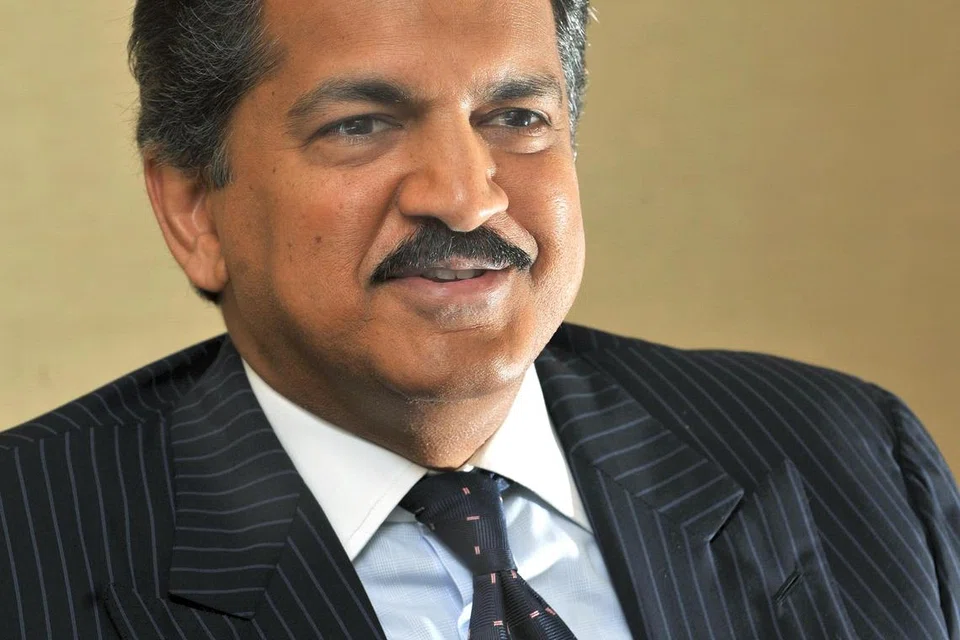
When the Indian Premier League (IPL) was launched in 2008, billionaire Anand Mahindra (left) was asked to invest in the short-format cricket tournament. But he showed no interest.
The man who heads the automotive and industrial giant Mahindra & Mahindra instead focused on another sport that had an Indian flavour – kabaddi.
According to Bloomberg, he felt it would be much more fun to “create a league and give it a professional sheen”, as it would be more thrilling to “occupy some legroom” with cricket ruling the roost in India.
Soon after, he met Uday Shankar in New York. The then head of sports broadcaster Star TV told him that kabaddi had the potential to become a more popular sport in India.
“You’ve been smoking something illegal,” a skeptical Mahindra recalled telling him. But Shankar persisted and forced Mahindra to take a dip.
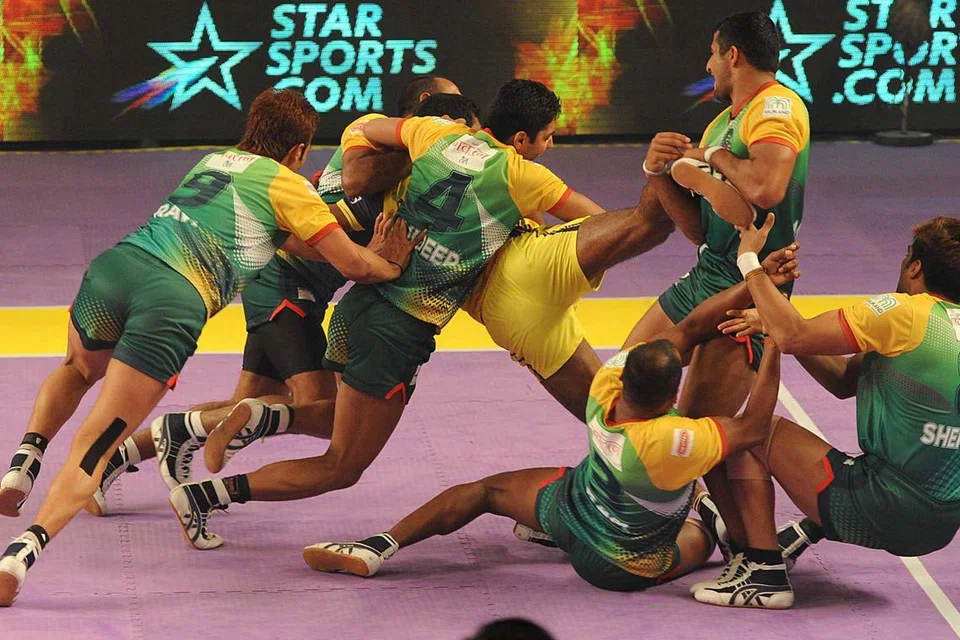
Originating in southern Tamil Nadu, kabaddi is a game played between two teams of seven players who take turns to chase and tap their opponents while evading capture. It is a combination of tag and wrestling.
Legend has it that kabaddi was played thousands of years ago, even by the Buddha.
Shankar urged Mahindra to go big and in 2014, Mahindra and sports commentator Charu Sharma launched the Pro Kabaddi League.
It followed the IPL textbook, with glamorous owners such as Amitabh Bachchan and Shah Rukh Khan attending the matches, which were telecast live.
The idea became a hit and kabaddi is now the second-most viewed sport in India with the viewership rising by 17 per cent to 222 million in season nine this year.
The media rights were acquired by Walt Disney’s Star Sports, which broadcasts the league in five languages in the country from 2021 to 2025 for Rs1.8 billion ($29 million) – Rs900 million more than the last contract.
Of course, cricket is still king in India, with US$6.2 billion ($8 billion) spent last year to secure the IPL’s five-year media rights.
But Mahindra is hopeful that kabaddi will become a global sport – even though, outside of South Asia, only a handful of other countries compete at an international level.
Indo-Asian News Service
