There is something about Kerala’s evening chaaya and kadi that goes well beyond hunger.
A hot pazham pori beside a glass of tea, a crisp parippu vada on a rainy afternoon, an unniyappam picked up almost absent-mindedly – these are small tastes deeply woven into Malayalee life.
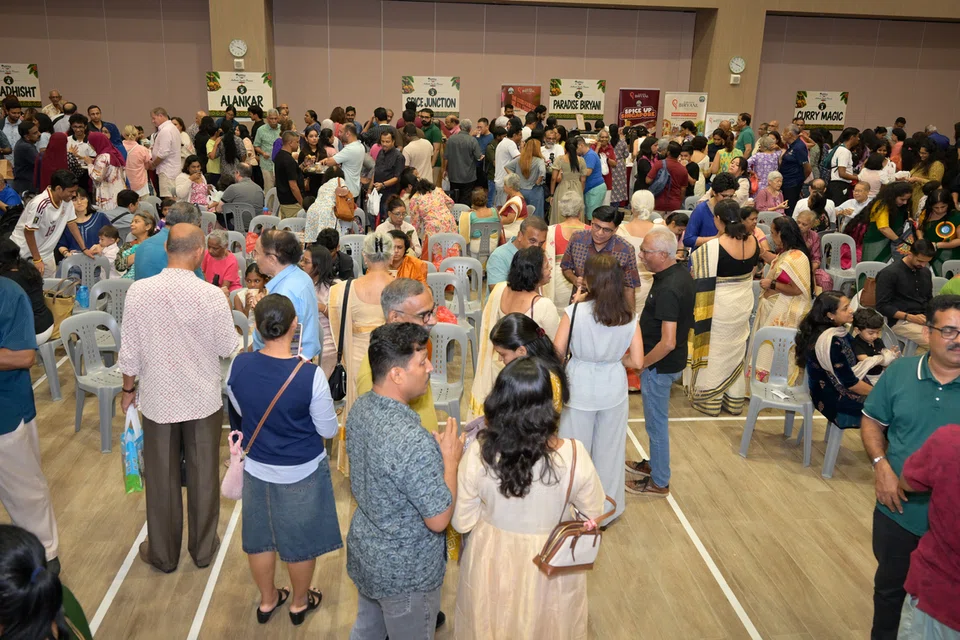
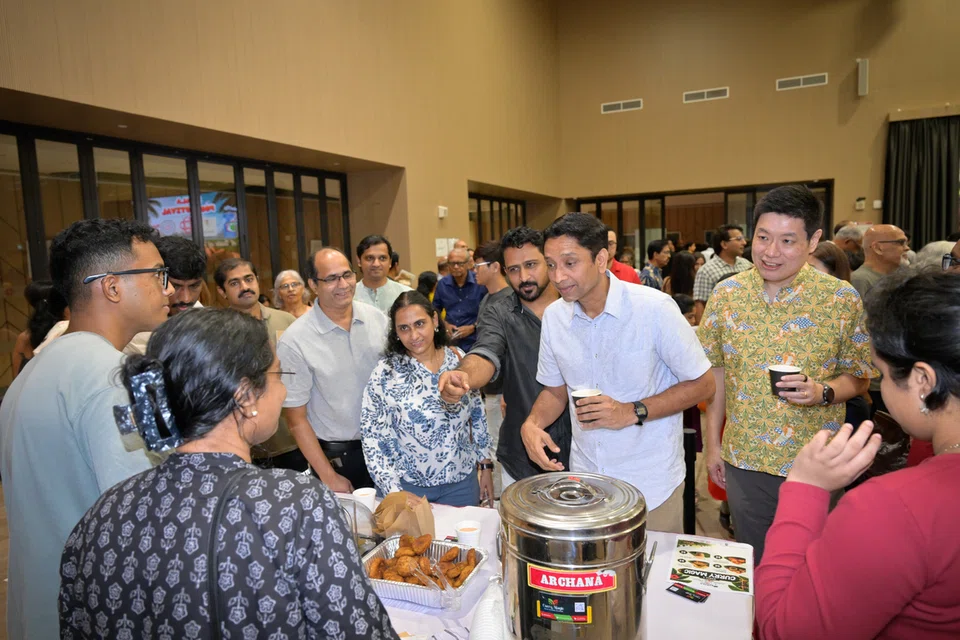
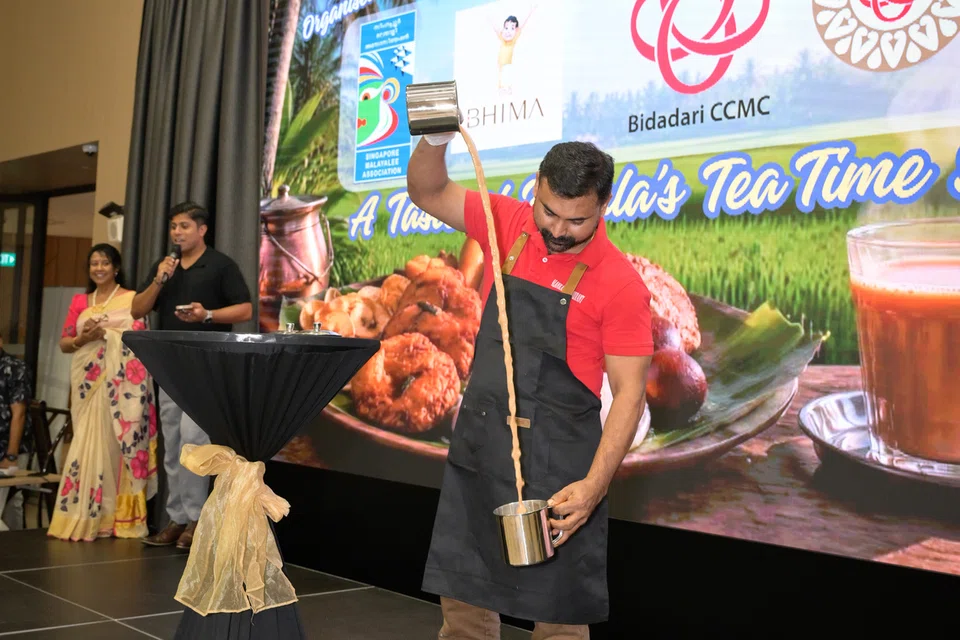
That probably explains why the Singapore Malayalee Association’s Kerala Food Festival: A Taste of Kerala’s Tea Time Snacks, or “Kerala Chaaya Bites”, at Bidadari Community Club on Sept 27 became almost too successful for its own good.
Eight restaurants came together with an impressive spread.
Paradise Biryani offered tea, egg puffs, chicken cutlets, pazham pori and parippu vada. Spice Junction brought uzhunnu vada, parippu vada and kozhukatta, while D Shapp Restaurant served chicken pakoda and the more unusual banana-flower cutlet.
Curry Magic had sughiyan and chakka ada; Swaadhisht offered kallumakkaya nirachathu, prawns nirachathu and unniyappam; and Go Mexico’s selection included elanchi, pazham nirachathu, kozhukatta and chicken ada.
Alankar went particularly traditional with ela ada, vettu cake and elanchi, accompanied by everything from masala and ginger tea to chukku kapi. Cafe Malabar completed the journey with unnakaya, kallumakkaya nirachathu, sweet chattipathiri and karak tea.
For Malayalees, many of these are not restaurant luxuries. They are memory food.
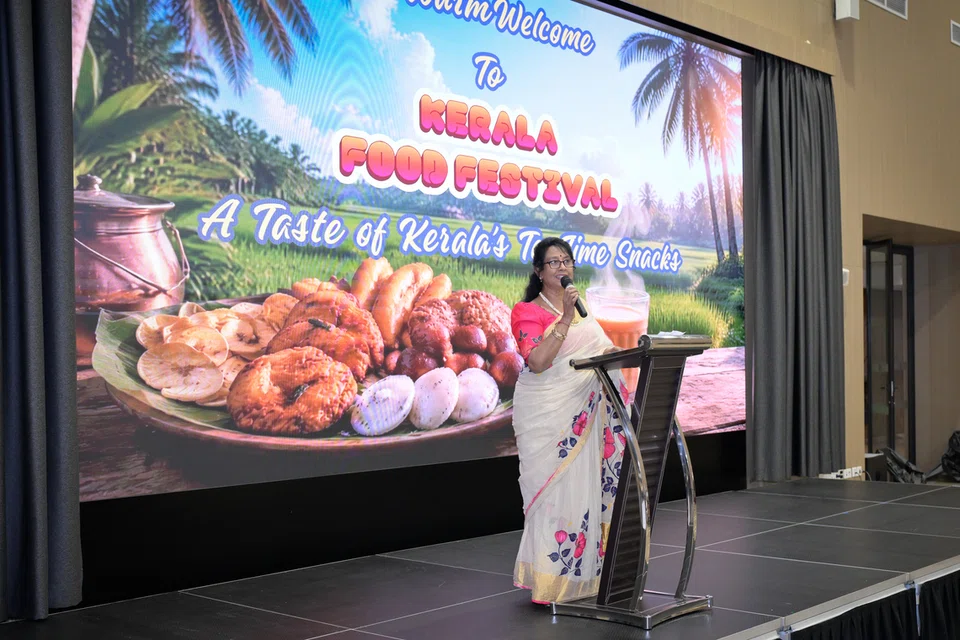
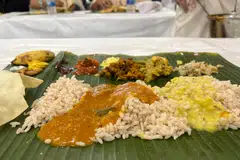
Pazham pori gets its appeal from the simple contrast of ripe, sweet banana and crisp batter. Parippu vada is its savoury opposite – crunchy, spicy and perfect with strong tea. Unniyappam brings together banana and jaggery in a soft, sweet bite, while ela ada carries the aroma of the leaf in which it is cooked.
Malabar favourites such as unnakaya, elanchi and stuffed mussels bring another dimension altogether – richer, more elaborate snacks reflecting northern Kerala’s distinctive food traditions.
Unfortunately, there was barely enough time to explore them all.
Some 1,000 people turned up for the event in a hall that could accommodate around 300 people at one time. The participating restaurants had not been given specific quantities of food to prepare.
Initially, 500 sets of S$10 coupons were sold before that were increased to 900. With no regulated entry or orderly queuing system, people entered freely and descended on the stalls.
Within roughly 45 minutes, much of the food was gone.
That understandably left many coupon holders disappointed. SMA apologised and offered a remedy, allowing unused coupons to be redeemed at participating restaurants until Oct 31.
Ironically, the chaos demonstrated just how successful the concept itself was.
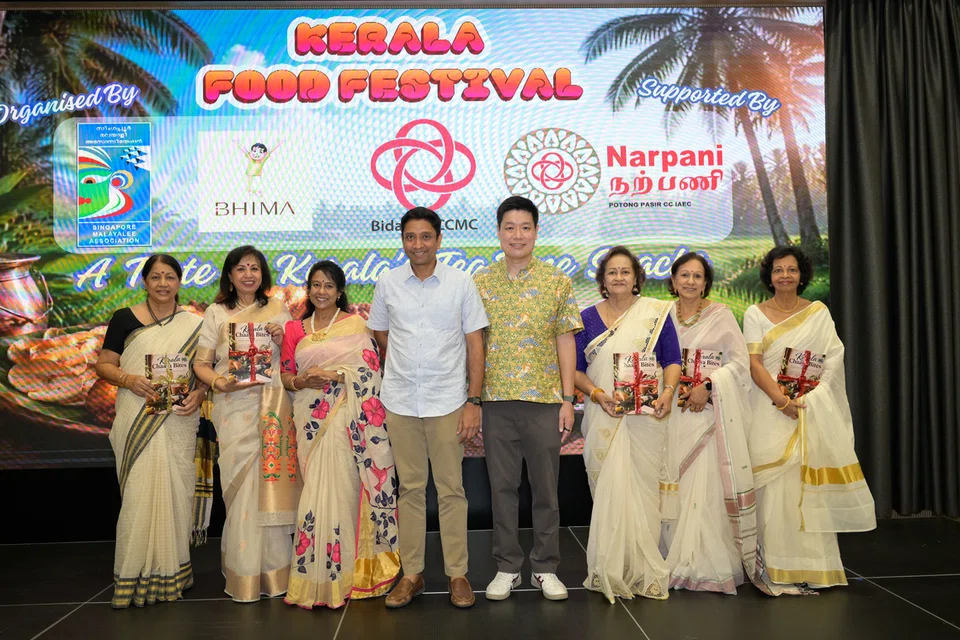
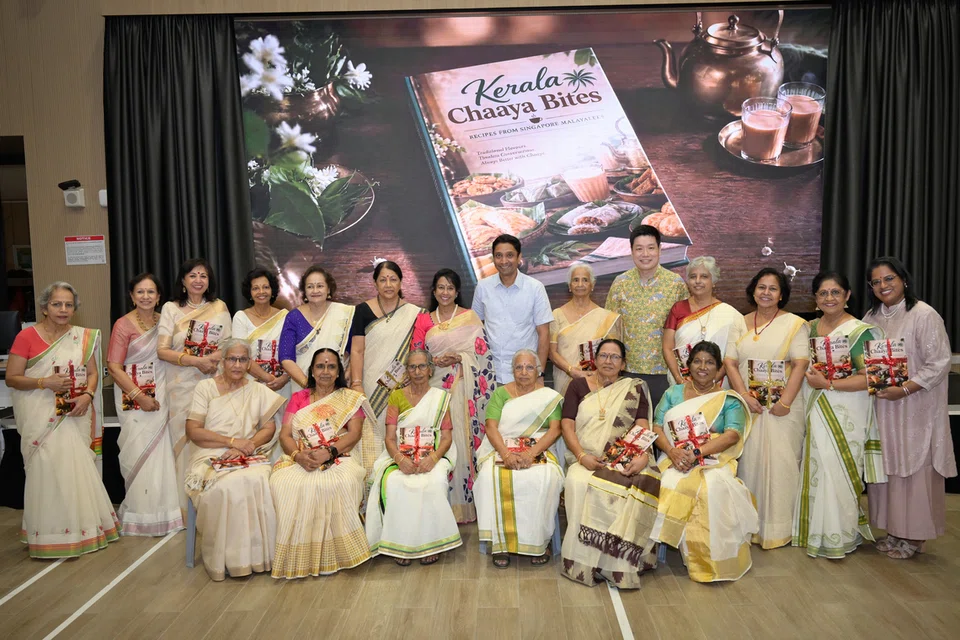
Another important element was the launch of SMA’s Kerala Chaaya Bites cookbook, priced at S$12. It brings together 28 traditional tea-time recipes and an authentic chaaya recipe contributed by pioneers of Singapore’s Malayalee community, connecting food with family memories across generations.
Minister of State for Culture, Community and Youth, and Manpower Dinesh Vasu Dash attended as guest of honour, while Mr Alex Yeo, adviser to Potong Pasir grassroots organisations, was special guest.
The organisation and the damage control mechanism could certainly have been better.
But the message from the crowd was unmistakable: Give Malayalees and friends pazham pori, parippu vada, unnakaya, ela ada and a good cup of chaaya, and never underestimate how many will turn up.