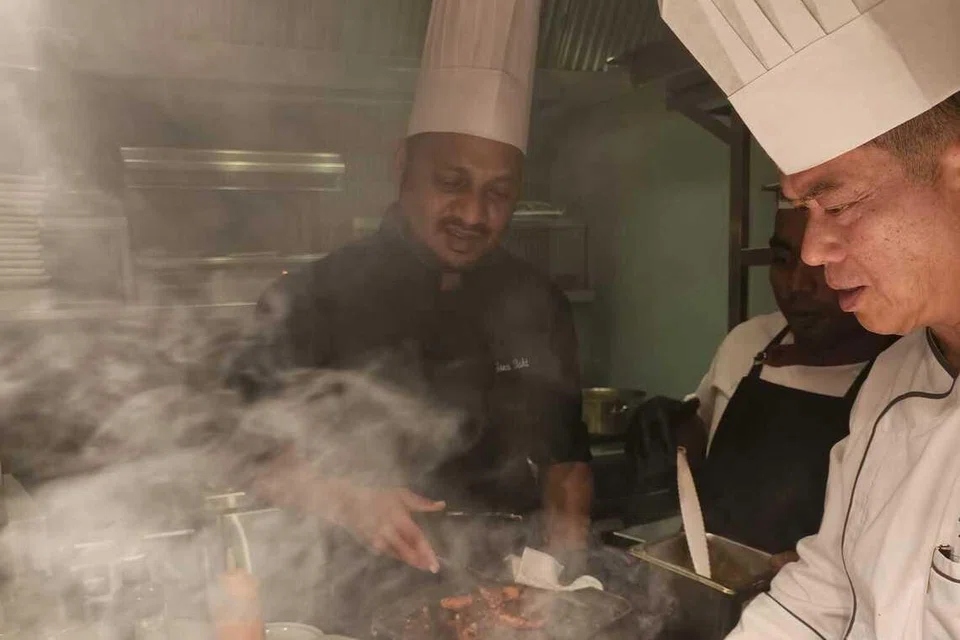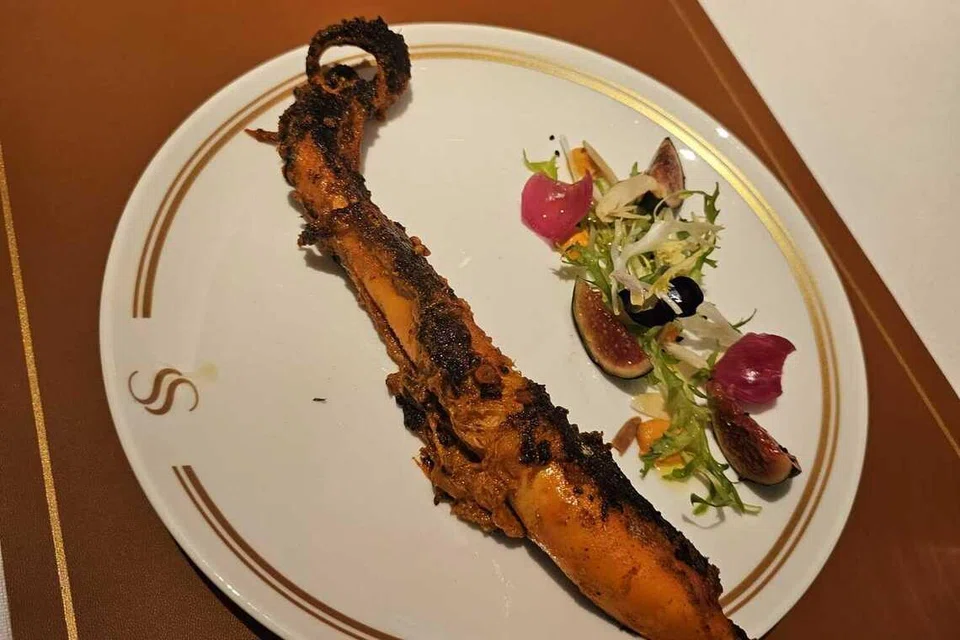

When Chef Sohan Singh Bisht set out to redefine Indian cuisine at RANG, a restaurant he started in Da Nanag, Vietnam, in 2024, he knew he had to go beyond the familiar. The result is one of his most talked-about creations – Tandoori Octopus – a dish that bridges Indian tradition with global technique and coastal freshness.
The idea was born in the Vietnamese coastal city, which is abundant with fresh seafood. “Why is octopus only used in Western cuisine? Why not in Indian cooking?” he recalls asking himself.
While most Indian restaurants stuck to conventional menus, Chef Sohan saw an opportunity to innovate. Drawing from his international experience across Europe, Australia and the Middle East, he decided to marry the smoky depth of the tandoor with the delicate texture of octopus.
The preparation is both meticulous and rooted in Indian culinary logic.
Fresh Vietnamese octopus, sourced daily from local markets, is first cleaned thoroughly before undergoing a slow braising process. It is simmered in water infused with Indian spices such as cinnamon, cloves and salt – a crucial step that ensures the flavours penetrate deep into the flesh.
“The key is to build flavour from the inside,” said the chef. “If you skip this step, the octopus won’t absorb the spices properly.”
After about an hour of braising, the octopus is removed and marinated in a rich tandoori blend. This includes hung yoghurt, mustard oil, kasuri methi, and a carefully balanced mix of spices.
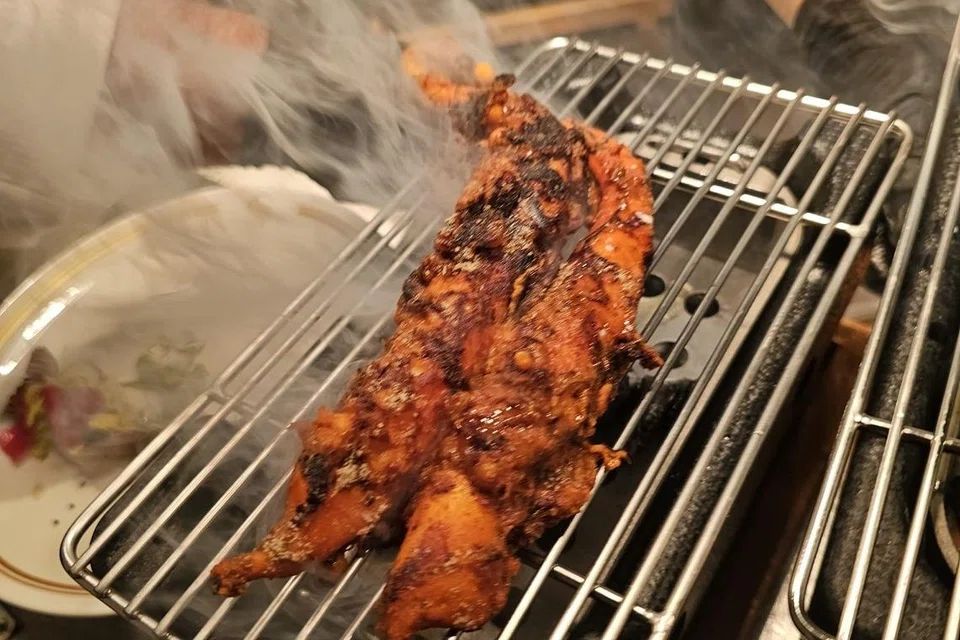
Once an order is placed, the marinated octopus is skewered and cooked in a traditional tandoor for five to ten minutes, giving it a lightly charred exterior while keeping the inside tender.
The result is a dish that surprises both in texture and taste. Unlike the often rubbery reputation of octopus, Chef Sohan’s version is soft yet slightly crisp on the outside, with smoky, spiced notes that linger on the palate.
Instead of pairing it with traditional Indian chutneys, he serves it with a Mediterranean-style almond romesco sauce – a blend of roasted capsicum, tomatoes, garlic and almonds. The sauce adds a nutty sweetness and subtle acidity, complementing the robust tandoori flavours.
“It’s like eating chicken tikka, but elevated,” he explained. “You enjoy it with the sauce – simple, but very flavourful.”
The dish quickly became a bestseller at RANG, helping the restaurant earn and retain its Michelin Bib Gourmand recognition. It also reflects Chef Sohan’s broader philosophy of creating a “feast for the senses” – where familiar Indian flavours are presented in unexpected forms.
Singapore diners recently got a taste of this innovation when Chef Sohan brought his signature dish to SanSara during a special four-hands collaboration titled “Two Masters, One Flame” in March 2026. Partnering with Master Chef Pannalal Nath, he introduced Tandoori Octopus to a curated menu blending contemporary and classical Indian techniques.
For many in Singapore, the dish was both novel and memorable – a striking example of how Indian cuisine can evolve without losing its soul.