
The benefit of belonging to a large Indian diaspora is the presence of vibrant ethnic enclaves around the world. In Malaysia, there is a Little India in almost all of the country’s major cities such as Kuala Lumpur and Johor Bahru.
For foodies, however, the Little India district in Penang island’s Georgetown – a UNESCO World Heritage Site – is a must-visit.
Located just a few blocks down from the lively tourist hotspot of Armenian Street, Penang’s Little India serves up a perfect blend of the island’s world-renowned street food culture and localised Indian flavours.
A non-negotiable is a plate of Nasi Kandar, where a heapful of steamed white rice is doused in an onslaught of different curries to create a saucy and delicious “mess”. It is definitely not Instagram-worthy, but your taste buds will thank you.
The dish originated in Penang, where Muslim traders from Tamil Nadu used to carry rice (or “nasi” in Malay) and their home-made curries in wooden buckets balanced on either side of a bamboo pole called “kandar”.
These days, Nasi Kandar is sold at restaurants or food carts with trays of various meat and seafood dishes laid out. From the extravagant lamb shank curry to the humble sotong stew, there are endless combinations to be had.
A more unique dish is the “ayam ros”, which is a chicken curry with a tomato-base that gives it the signature rosy hue. My personal recommendation is the mutton curry and tiger prawn sambal for that surf and turf feel with a side of stir-fried cabbage and boiled ladyfingers.
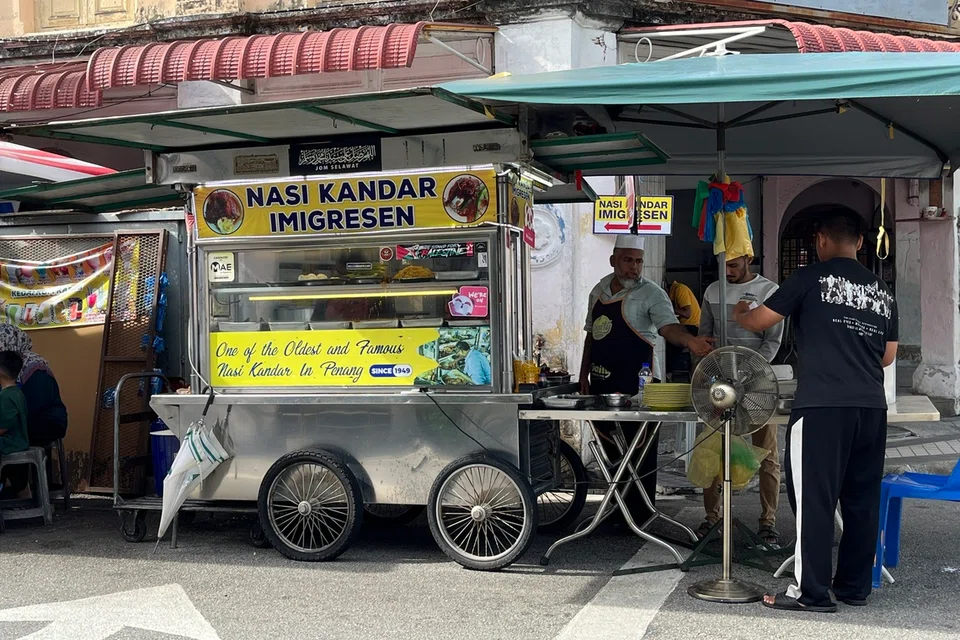
The mutton at Nasi Kandar Imigresen, an open-air stall situated at the outskirts of Penang’s Little India, was tender yet robust with a savoury depth. The prawn meat tasted sweet, albeit slightly overcooked, and complemented the lemongrass-forward sambal (chilli-based sauce).
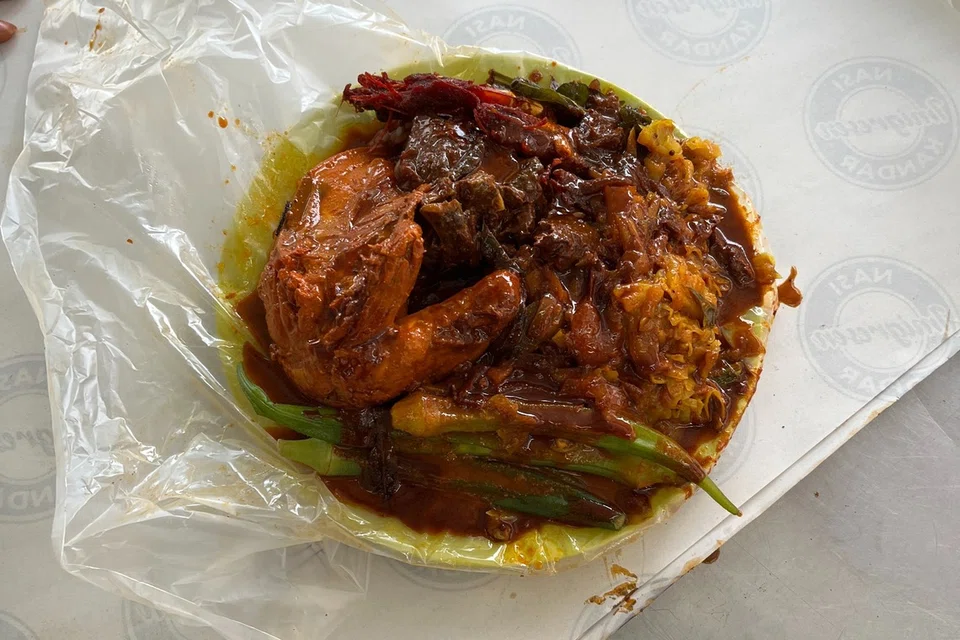
Another tip is to ask your server for “kuah campur”, and watch the magic unfold as spoonfuls of all the gravies available are poured over the rice and ingredients to create a master potion of a sauce that will make you polish off your plate in no time.
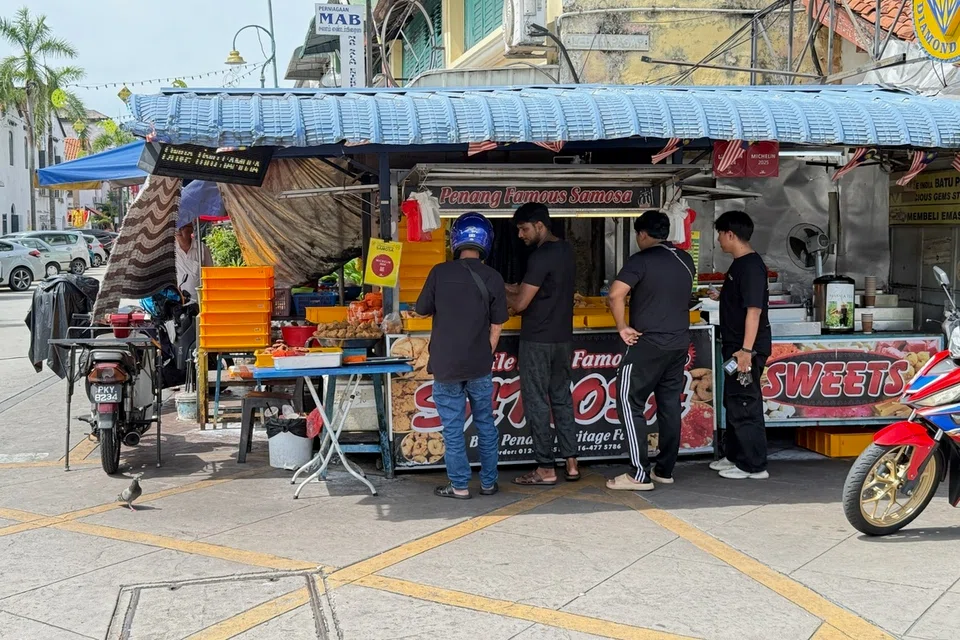
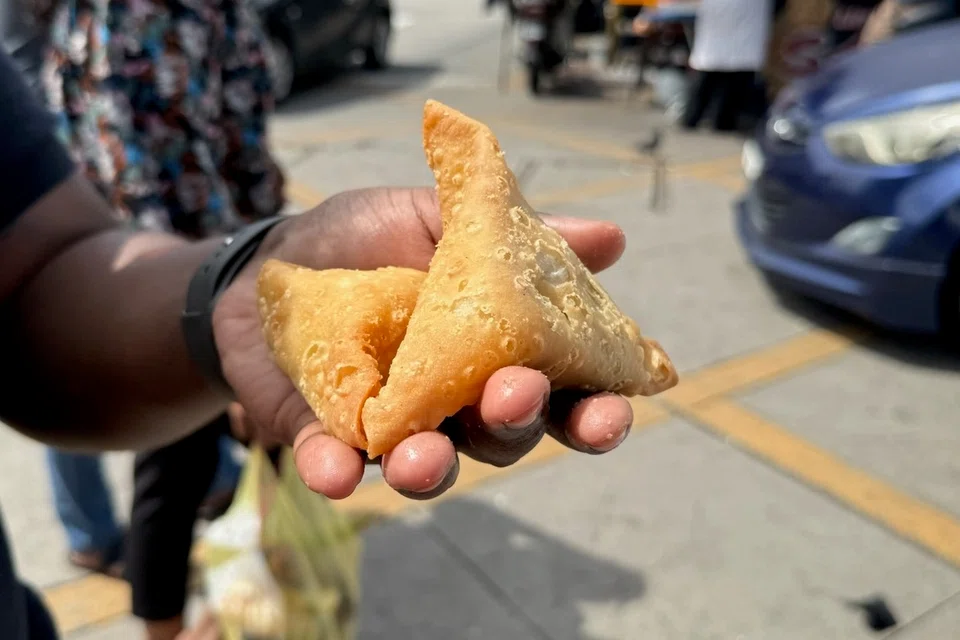
After a heavy lunch, a casual stroll through the many lanes of Indian textile and home goods stores is best. You will also come across many roadside stalls like the Michelin-recognised Penang Famous Samosa.
The samosas are sold piping hot out of the fryer and are generously filled. The mutton keema version was meaty yet light on the stomach, while the egg samosa was layered with a well-seasoned potato-based masala that was easily addictive.
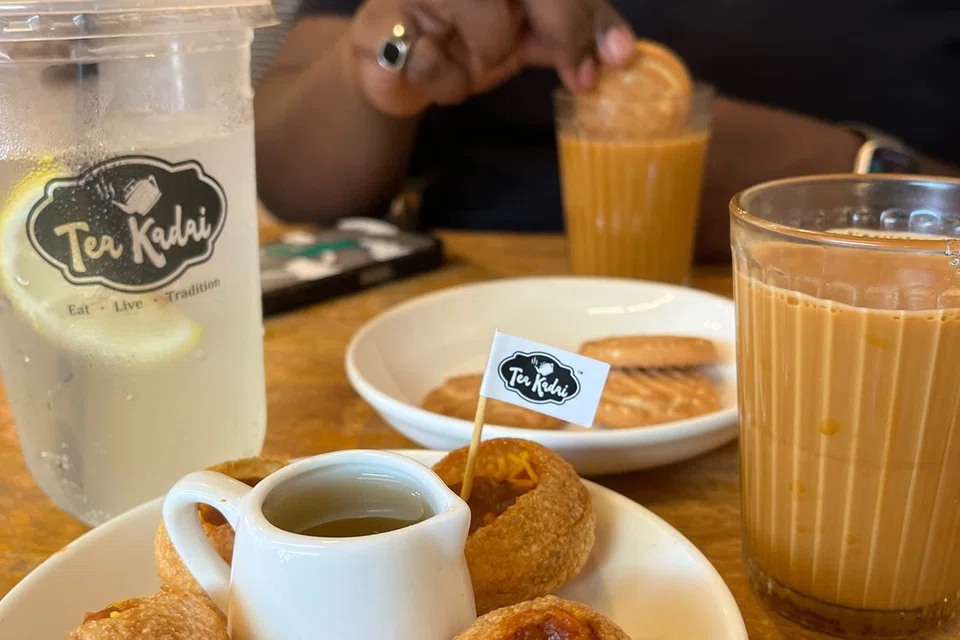
If the oncoming traffic and long queues in the sweltering heat is too much, down the street is a quaint little store aptly named Tea Kadai.
You can pop in for a quick air-con break and grab a glass (or two) of regular or masala chai, best paired with cashew or almond cookies. The tea is full-bodied and each velvety sip coats your throat with a warm, delightful sensation.
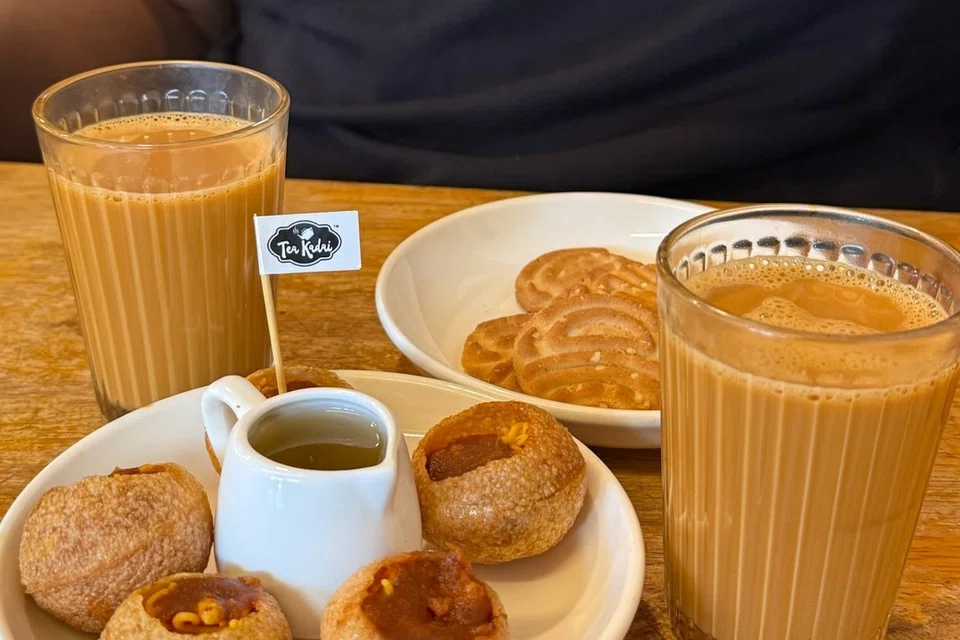
The store also offers iced teas and sodas, which is a splendid way to cool down after a long day of shopping and eating through Penang’s Little India.