Indian comedian Sunil Grover brought his live show to Singapore on April 25, performing to packed houses at D’Marquee. With nearly 2,600 attendees across two shows, the turnout reflected his strong popularity, built over years through television, films and digital platforms.
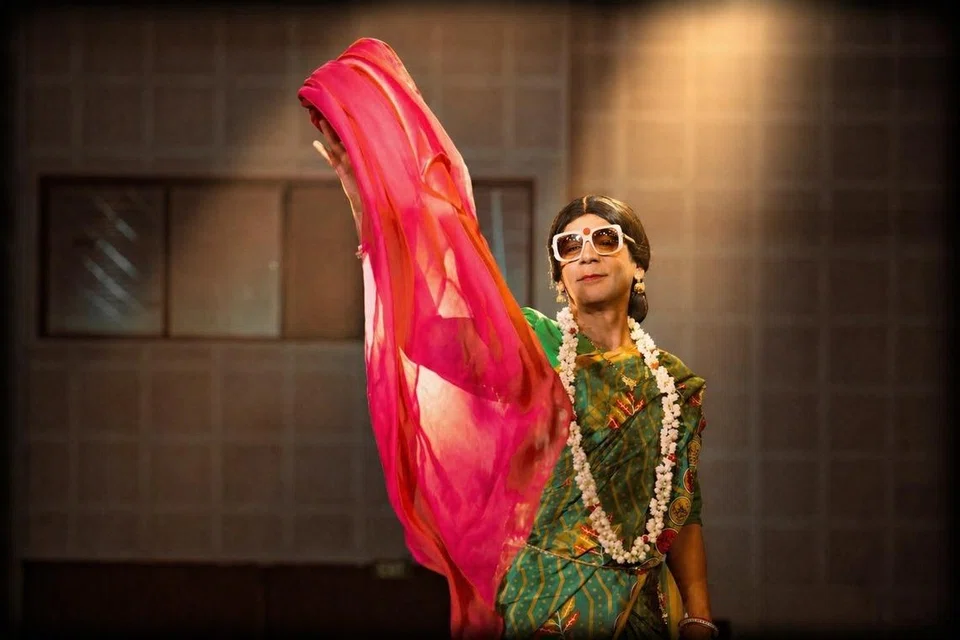
There is no denying Sunil’s talent. His ability to slip into characters, his voice modulation, and his timing – particularly in familiar avatars like Dr Mashoor Gulati and Gutthi – remain his biggest strengths. These moments did generate pockets of laughter and reminded the audience why he continues to be a well-loved performer.
However, as a solo stage act, the show often felt uneven.
Much of the material – especially references to Singapore’s MRT system, Little India, and the country’s strict fines – came across as predictable and dated. These are familiar tropes that many visiting performers rely on, and here too, they failed to bring anything fresh or insightful. The jokes landed more as polite chuckles than genuine laughter.
Audience interaction, typically a strong suit for live comedy, was another area that didn’t quite take off. A segment involving a man from the crowd and another with a nurse had the potential to build spontaneity, but neither developed into anything particularly memorable. The humour felt stretched, with punchlines that didn’t quite arrive.
At times, the energy in the hall seemed to be driven less by the material and more by the performer’s celebrity appeal. Several moments appeared geared towards encouraging fan engagement – particularly selfies and direct interaction – which, while understandable, came at the cost of tighter comedic content. The loudest reactions often came not from jokes, but from the excitement of fans – especially younger female audience members – getting closer to the star.
Interestingly, while social media was flooded with glowing praise describing the show as “laughter-packed” and “high-energy”, the on-ground experience suggested a more mixed reception. Some of this online enthusiasm appeared amplified, possibly by influencer-driven promotion rather than purely organic response.
To be fair, Sunil has delivered strong performances in the past, particularly in ensemble formats like The Kapil Sharma Show, where his character-driven comedy thrives off interaction and structure. That strength – playing off other performers – seems less effective in a solo format, where sustained narrative and fresh material become critical.
This is not to say the show didn’t have its moments. Sunils’s stage presence, quick costume changes and flashes of improvisation still held the audience’s attention in parts. And the organisers – Wandersoul Escapadaes and Epic Encounters – deserve credit for bringing a performer of his stature to Singapore, reflecting the growing demand for Indian live entertainment in the region.
But overall, this felt like a performance that relied more on familiarity than reinvention. For an artiste of Sunil’s calibre, one expected sharper writing and more original content.