
“You are the most unusual, wonderful woman I have ever known. I adore you.”
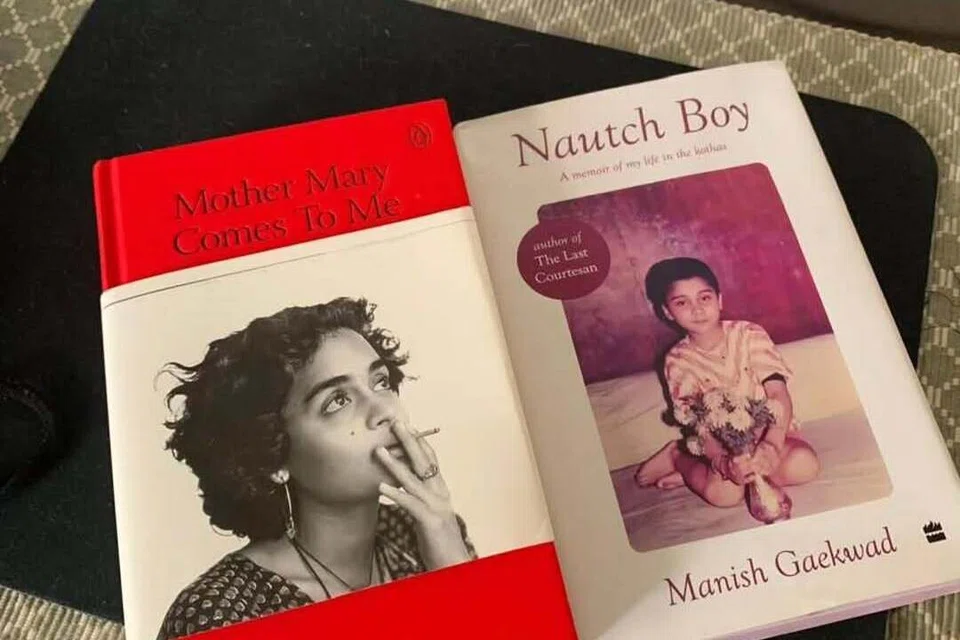
Arundhati Roy’s “Declaration of Love” to her mother, during the matriarch’s final moment are just one of the raw moments depicted in her memoir Mother Mary Comes To Me, released in September 2025.
Just a day earlier, another author, Manish Gaekwad, released his memoir Nautch Boy, which also featured his coming-of-age journey entangled with his mother’s.
Arundhati is a writer and activist, known for being in controversy’s eye and who also won the Booker prize in 1997 for her debut novel The God Of Small Things.
Mother Mary Comes To Me’s title is a play on The Beatles’ song Let It Be, since her mother’s name is Mary. The book follows the key events that led Arundhati to become the woman that she is today.
Mary Roy, or Mrs Roy as Arundhati refers to her, was an activist and a pioneer herself, founding a notable school in Kerala and also winning a landmark case against the Kerala government. She demanded that Syrian Christian women in Kerala get equal inheritance rights as their male counterparts and ended up winning in the Supreme Court.
Manish, on the other hand, is a screenwriter, journalist and author who released a biography of his mother, Mrs Rekha Devi, or Rekhabai as she was more commonly known, titled The Last Courtesan, in 2023, with Nautch Boy continuing the story of how their lives intertwined.
This book, which roughly translates to “Dancer Boy”, is a more central memoir of his life growing up in the kothas, places where courtesans and dancers entertained guests.
Both books have been regarded highly since their release, with Arundhati even snatching the American literary award, the National Book Critics Circle Award for Autobiography.
They not only function as tales of these authors’ lives but also as explorations of mothering and even as record books of two very different Indias.
Mrs Roy and Rekhabai are introduced to us as strong women, single mothers who have to raise their children after being largely cut off financially by their families.
But because of this survival instinct, they lose some of their tenderness.
As the authors grow up, they meet these hardened versions, either through cruel comments, unnecessary control, or physical abuse.
These troubled relationships likely led to the parallel that neither author ever became their muse, that is, neither ever became a parent.
Arundhati fenced with motherhood when she married her ex-husband, film director Pradeep Kishen, and became a stepmother to his daughters. But she never let them call her mother, and throughout the novel she was in constant conflict with herself about not wanting to become Mrs Roy to them. Manish, on the other hand, is a queer man living in India.
Despite this, readers can still feel the unabashed adoration they both have for their maternal figures.
The awe in Manish’s eyes when he gets the fleeting chance to watch his mother perform, leading him to try to do the same moves in his school talent show.
Perhaps the greatest pieces of affection are found in the final chapters of both books, as they inch closer to the passing of Mrs Roy and Mrs Bai.
Both mothers become more irritable and vicious, and both authors cling to tighter to the little time they have left.
The outcry and celebration of Mrs Roy’s life at her funeral versus the sudden but relatable passing of Mrs Bai remind us of the mortality of our mothers and the immortality of their legacy.
You can find both books in selected bookstores, such as Kinokuniya, or on major e-book platforms.